

How They Held Up: A Review of My Veja Esplar Trainers

So, how'd it hold up?
I think it's important to acknowledge that question when promoting and reviewing sustainably-made products, especially since I've been pretty disappointed by a few of the ethical purchases I've made over the years. But I've had my Veja Esplar Trainers for over two years now, and they're still in amazing shape. They even made it through eight months of teaching, where I was on my feet all day on the less-than-pristine floors of a public high school (they even got a nod of approval from my students). They're comfortable with excellent support, and just narrow enough to avoid the "clown feet" effect that I've experienced with other sneaks. In terms of styling, I haven't been able to embrace the trainers-and-floral-dress combo that some women rock so hard, so it's still mostly cutoffs and rolled boyfriend jeans for me. But maybe, with enough inspiration from Man Repeller, I'll start to branch out.
About the Brand
Dreamed up in France and made in Brazil, Veja shoes are designed to be ecologically friendly: the cotton is from organic farms in Brazil and Peru, the rubber tapped sustainably in the Amazon, and the leather processed in a top-notch tannery that minimizes the use of harmful chemicals. They also have a vegan line for those opposed to wearing animal products. Veja was more of a fringe brand in the U.S. back in 2016 (on the West Coast at least), by I see them everywhere now, including several hip-tastic boutiques in San Francisco. I'm stoked for the company, for the industries it fuels, and for myself for finding a pair of fashionable kicks that align with my values.
If you're in the market for a new pair of responsibly-made sneakers, here are a few of my Veja picks:


This post contains affiliate links. Thanks for supporting Birds of a Thread!
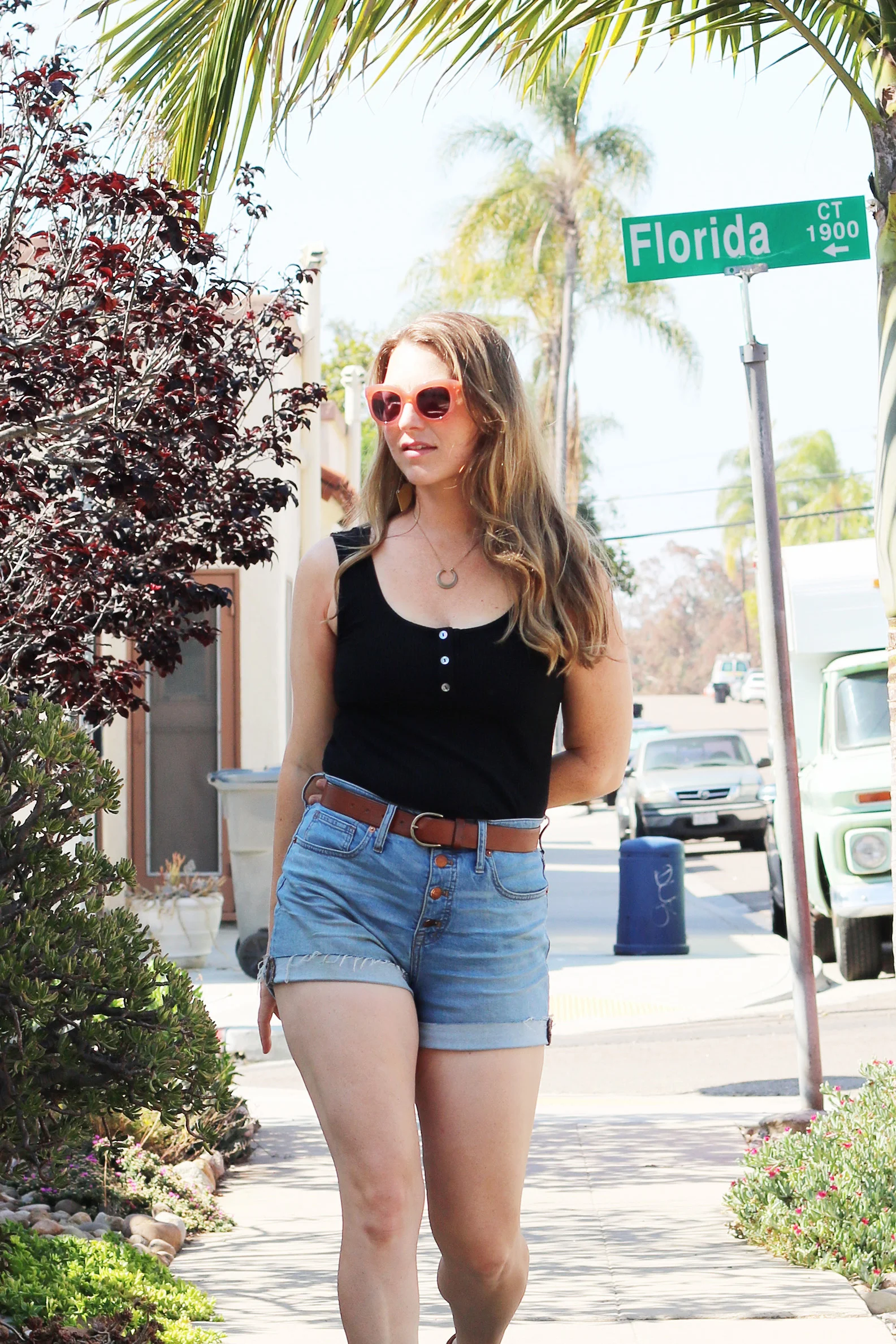
How I Dressed for the Heat in Brooklyn and San Diego


In January, I challenged myself to a six-month shopping "fast" in order to save some money and curb my consumer impulse. It was good for me; I learned to stop making excuses to shop (pre-travel preparation, forgetting to pack certain items, etc.), and gained a deeper appreciation for the ethical wardrobe I'd so painstakingly built over the past few years. Most importantly, though, I realized how freeing it is to remove extraneous decision-making from my life for a little while.
So how did I do? Well, first of all, I only made it about five-and-a-half months, as I really did need some lightweight summer pieces for my upcoming trips. I also let my mom buy me a dress while she was up visiting in April (She insisted! I was powerless against her motherly doting!). But this challenge wasn't about the pursuit of perfection, it was about changing my perspective and proving to myself that I could be happy with less. And in that, I believe I was successful.
When I did decide to shop again, I chose pieces from three of my favorite brands: Marine Layer, Reformation, and Madewell. The first two are obvious choices (Marine Layer's clothes are manufactured in the U.S. and responsibly abroad, and Reformation's L.A.-made clothing is highly sustainable). And while Madewell hasn't always been at the top of my list in terms of ethics, they've made a lot of progress recently in terms of transparency and responsible sourcing, and partner with nonprofits like Fair Factories Clearinghouse to continuously improve workplace conditions. And their denim fits me better than any other brand I've tried, especially now that I'm all about the high-waisted mom shorts.
When I packed for my summer trips to Brooklyn (solo) and San Diego (family in tow), I kept it pretty simple:
- Two black tank tops (one from Amour Vert, one thrifted, both old)
- Linen blend striped button down (new purchase)
- Cotton high-waist mini skirt (new purchase)
- High-waisted denim cutoffs (new purchase)
- Linen midi off-the shoulder dress (new purchase)
- Leather slightly-heeled sandals (mine are Kork-Ease and I've had them forever; I've even had to glue the soles back on a few times)
- Black leather tote (I originally bought my Cuyana tote for work, but it now doubles as a travel/ diaper bag)
- Panama hat (mine has been with me for at least six summers)
- My secondhand military jacket in case it got cold... which it never really did
I basically wore the same 2-3 outfits the entire time, but that's the beauty of travel: no one cares. You can shop the capsule here if you feel so inclined (note: this post contains affiliate links)...
My Summer Travel Capsule:

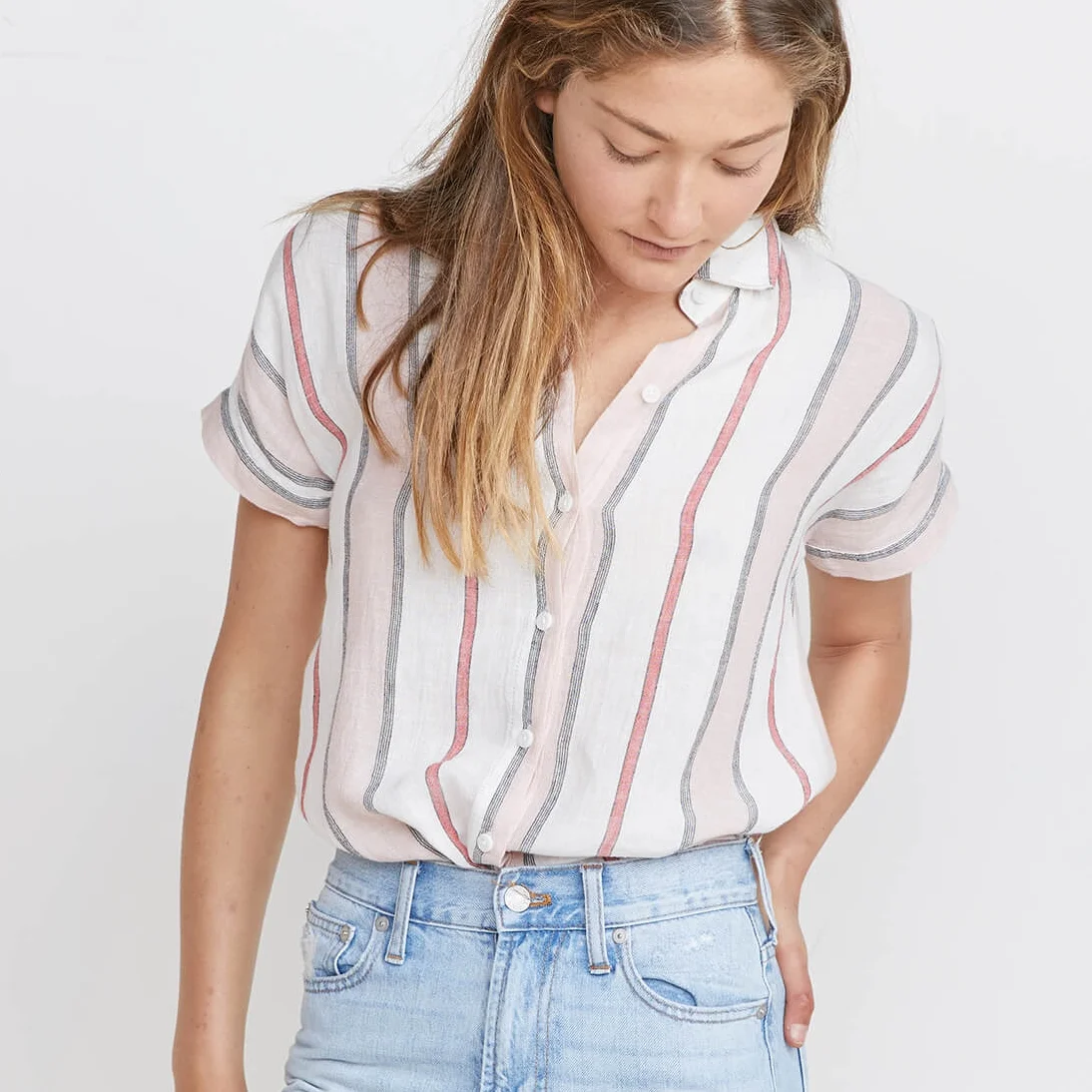


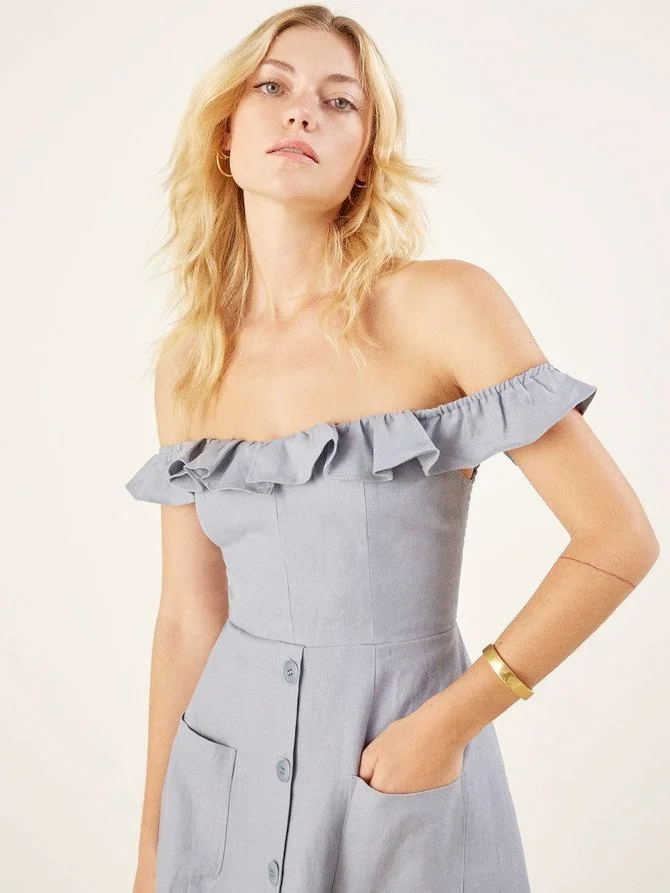


I don't have any photos of the Hattie dress yet, because I bought it specifically for a family portrait session that we did in Balboa Park. I'll share those out once we get them back (it was a balmy, magical evening in the park, so I can't wait to see how they turned out!). In the meantime, here are a few more shots of the basic tank-shorts-skirt-button-up rotation I've been wearing for the past month...


Jon, Avery, me, my little bro, sister-in-law, and nephew at the San Diego Zoo
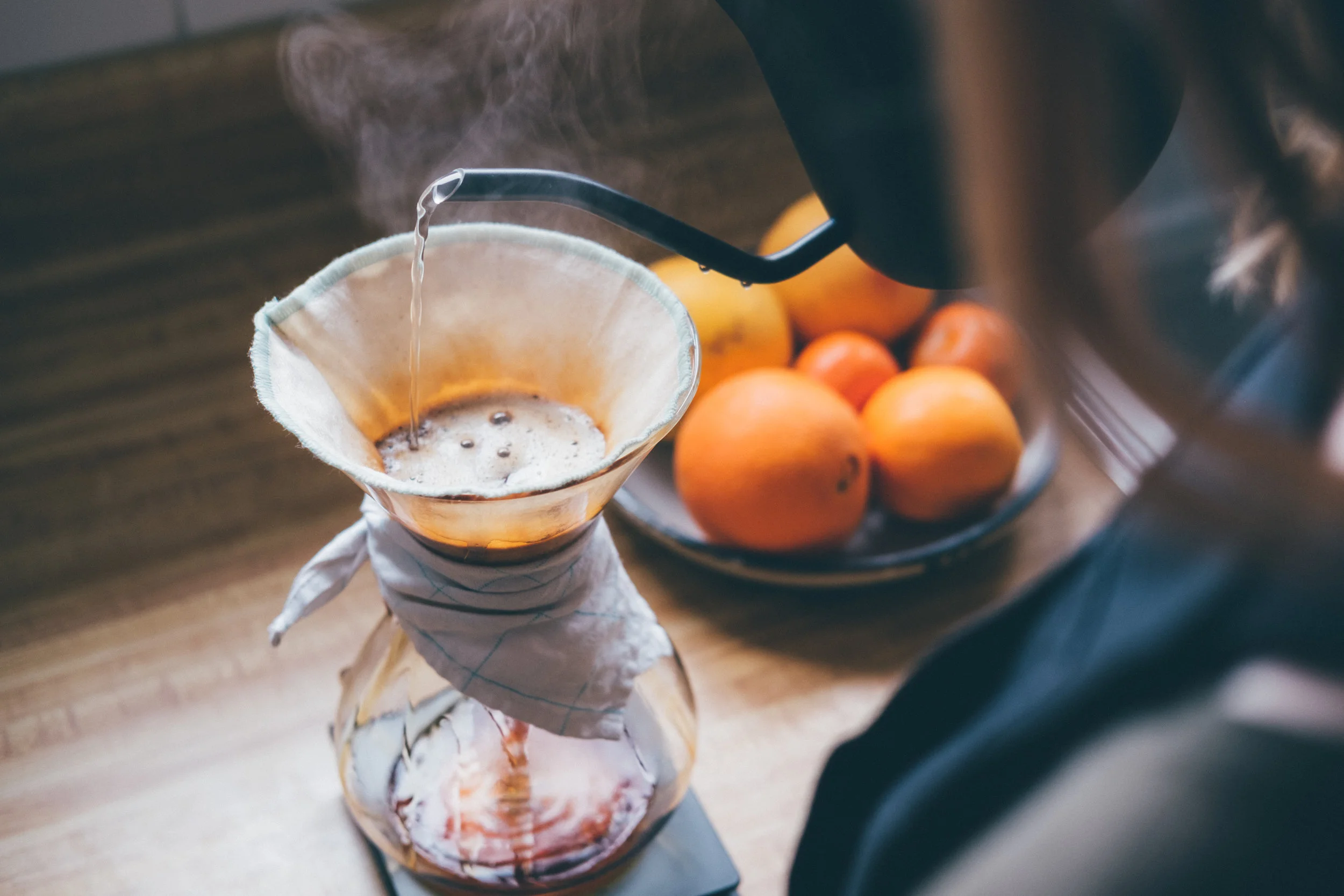
From Seed to Cup: The Reusable Ebb Cloth Coffee Filter

Looking for ways to make your coffee habit more sustainable? The Ebb filter has you covered. I recently chatted with Geana Sieburger, creator of the Ebb filter and founder of GDS Cloth Goods, a sustainable design and production studio based in Oakland, California. Read on to learn more about the project and its Kickstarter campaign.
Tell us a little about GDS Cloth Goods’ new Ebb filter.
Ebb is the studio’s newest product, a reusable coffee filter made from organic cotton for use with specialty coffee. What that means is that I’ve made use of my 10 years working with the textile industry and worked with a few local experts in coffee for development to create a product that works really well and actually has the potential to lure people away from single-use paper filters.

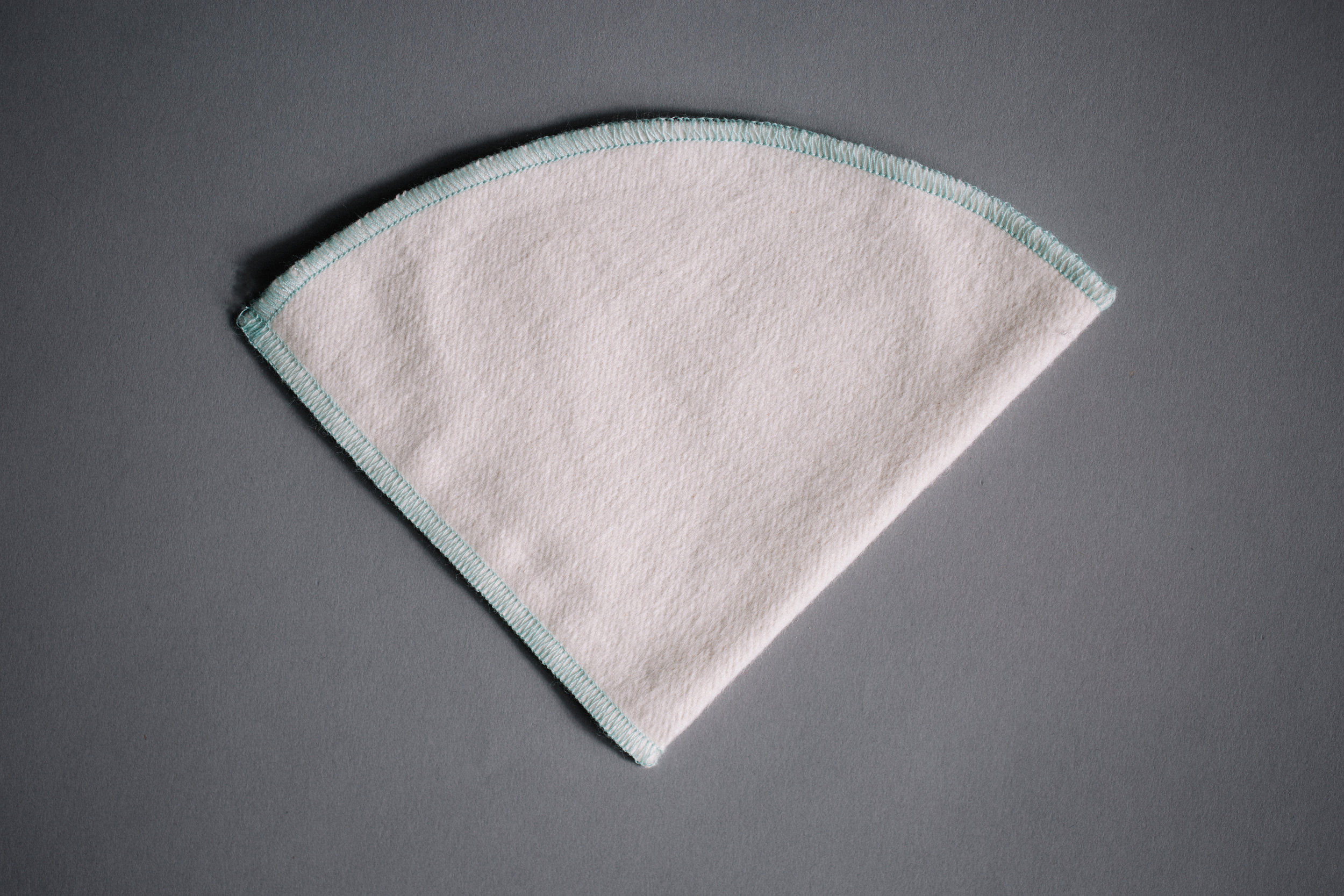
As a coffee lover, I’m already sold. But the objective reader might ask, why a coffee filter, and why the obsession with materials?
I love both of these questions because they give me the opportunity to do exactly what I set out to do with Ebb Filter: to have conversations about where things come from.
That might mean going a little overboard to prove a point: that the disconnect between materials and finished product is currently too great, and that the results of that disconnect have limited benefits. We live in a moment that allows us to have more objects in our lives that we can purchase at cheaper prices. Great! But there’s this illusion, too, that these things save precious minutes in our busy lives. Here’s the thing though: our lives are full of objects that bring no meaning, that tell few to no stories and lose their value in no time. It takes energy, natural resources, and undervalued workers to have those objects created for the few benefits they provide. This is true from clothes to electronics.
So you wanted to create something with a story.
Exactly. I believe wholeheartedly that knowing the maker of our textile goods is as important as knowing where our food comes from. Not only because fibers are agricultural and animal products (or petroleum-based as in the case of polyester, which is still extracted from the ground) similar to food. And not just because our bodies absorb things through our skin so we should be watchful of pesticides and herbicides on fibers just the same as crops we ingest. I believe that the most significant reason to know the makers of our textile goods is because it creates value and meaning, both immeasurably powerful things.
Which brings us back to why a coffee filter matters. People all over the world drink coffee, and even those who don’t still really enjoy the connections and conversations that it inspires. To me, the filter is so much more than a brewing accessory. It’s an expression of values and community.


Can you tell us a little about your personal connection to coffee?
I speak three different languages, and so far my life is marked by the three places I’ve called home–southern Brazil, south Florida and northern California. They are all very culturally different, including their coffee traditions. I drank coffee with milk as a kid in Brazil where there is actually a meal named after coffee. It’s a meal between breakfast and lunch and the main dish is coffee. Then in Miami, I was introduced to Cuban culture which I am wholly grateful to for two main reasons, sweet fried plantains and coffee. Here in the Bay, where I’ve lived since moving out to attend California College of the Arts in 2005, coffee was already something different. For the first time in my life it was an item of luxury, which is strange and complicated. But I also couldn’t avoid being lured by the technicality and people’s pride in specialty coffee. What is this thing that is creating so much community? I thought. There is a value in transparent sourcing that made a lot of sense to me and that is bringing a lot of people together.
Fast forward a few years, and I’m now an active part of that community.

Can you describe your product development journey so far?
Working between a mill in South Carolina and local baristas to develop a fabric for pourover was a really fun process of sharing information about textiles to baristas and information about filtration with the fabric developer. There were days when I wondered if everyone thought I was crazy, but the project persisted. Right now we’re a few days away and just shy of meeting our Kickstarter goal to purchase that fabric.
In a few months we’ll have a coffee filter that invites a variety of people to ask where other materials come from and to pay respect to the workers that made that object possible. In the case of Ebb, it’s farm workers, farmers, spinner, weaver, cutter, sewers and product testers–all people we'll be highlighting along the way. The result will be a visible community and a product that adds meaning to a daily ritual.
To learn more about the Ebb filter and support the project, be sure to check out the Kickstarter by March 30! If you’re a local, you can also attend the closing party:
Wednesday, March 28 from 5-8pm
Baana - 1256 Mason Street, SF
https://www.gdsclothgoods.com/rsvp

Why One Green-Minded Mama Chose Cloth Diapers

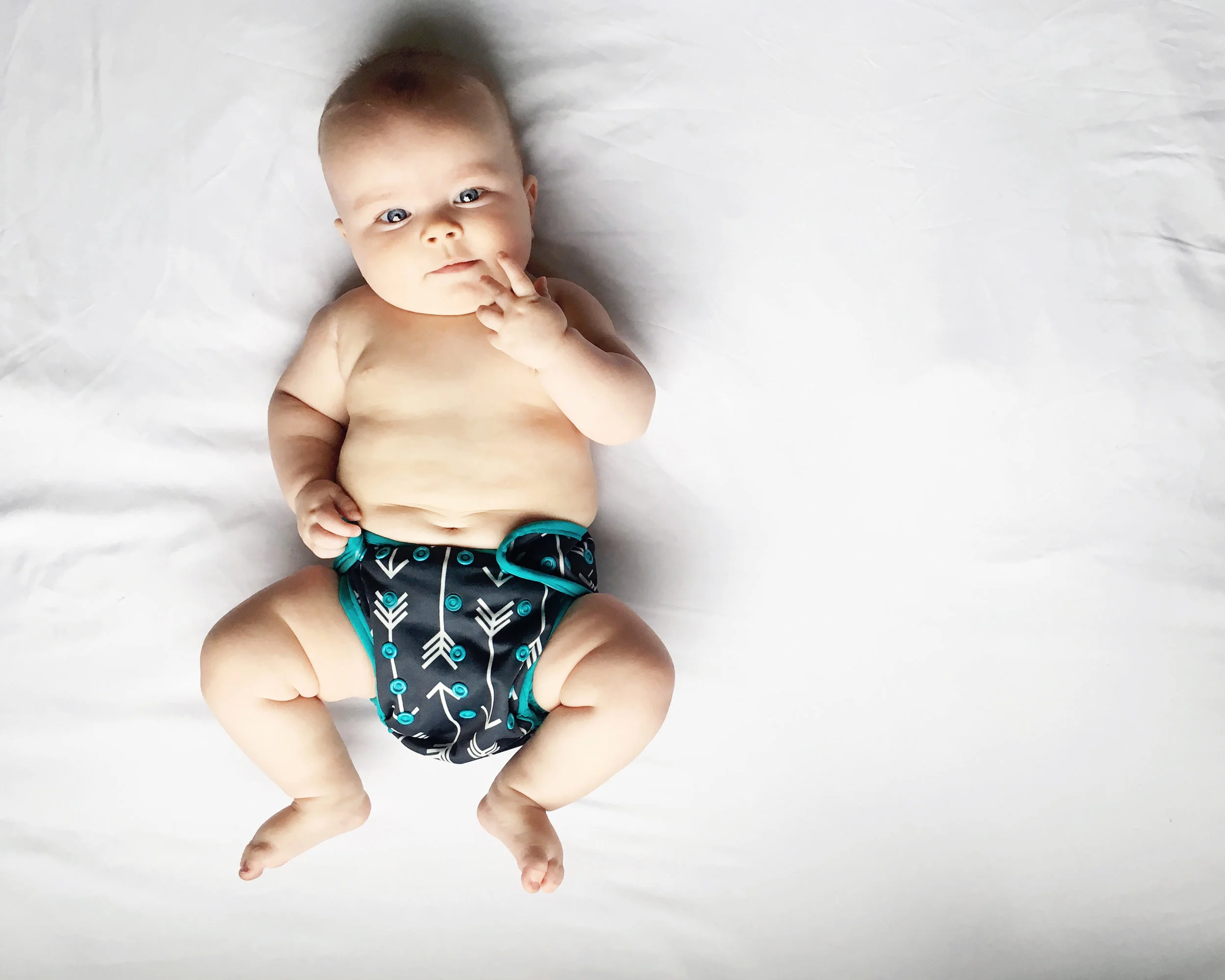
This post comes to you courtesy of my good friend Beth, who chose cloth diapers for her ridiculously adorable daughter, Melby.
Before my daughter was even conceived, I'd made several decisions about my eventual child: I would give birth naturally, she wouldn't have sugar until at least her second birthday, she wouldn't even know technology existed, maybe ever, because we'd spend so much time deeply present with each other, we would use cloth diapers, and her name would be Melby. Most of that was undone almost immediately, when I had to be induced, subsequently mainlined her secondhand sugar through eating exclusively Doritos and cookies for the first several months of her life, and have basically taken a photo of her every waking moment, my phone just inches from her head, drenching her tiny brain in radiation, just because she is so damn cute. However, her name is Melby, and, unlike the rest of my near immediate failures, we have been using cloth diapers since she was born.
Cloth Diapering 101
Cloth diapers, for the uninitiated, are the most basic concept, made nearly impossible by the barrage of options now available. At its simplest, a cloth diaper is a reusable folded piece of cloth inside of a waterproof cover. You replace the cloth regularly, as you would a disposable diaper, while the cover only needs to be washed occasionally just for general cleanliness or in the case of an epic blow out. Of course, in the internet era, there are now millions of options, and you could spend the rest of your life sussing out which insert and cover and specific combination of the two are the absolute best. I nearly went insane doing so, and settled upon the most basic version, which is a prefold-- a rectangular piece of cloth that you fold and hold in place with a claw-toothed rubber device and then cover with a waterproof cover with adjustable snaps to accommodate baby as she grows.
Much like all the unsolicited advice that comes with an impending child, whenever the cloth diapers came up while Melbs was in utero, people responded generally with some version of disbelief, caution, and confusion. Most of it ended in the worried question, Are you sure you want to do that?? People who had attempted cloth warned me that they had given up for one reason or another. The majority of people who hadn't just didn't understand why new parents would add something to their list of things to do or why they would involve themselves any more intimately with bodily fluid than already required. What I figured is: there are endless things to do as it is, and you can't avoid being covered in bodily fluids anyway, so why not be a little green?


Why I Chose to Go With Cloth
I initially chose cloth for the most obvious reason: the environment. There is a lot of discussion around whether cloth is actually better. People run numbers about the carbon footprint of electricity and water usage in laundering cloth diapers; they argue about the toxic impact of detergent and softener usage; they make lists of numbers side by side, digging down into the minutiae of things I could never actually quantify or compare. I am not a scientist or a mathematician. At this point, I am really just working on keeping my baby alive.
But at the end of the day, however the numbers stack up, it just feels better to me to reuse a product rather than to throw something away every single time it's used. In fact, I think in a culture where nearly everything is disposable, perhaps the most important element of the cloth diaper is the attitude you naturally assume in using it. It is a financial and energetic investment-- one that requires regular care, and that emotional investment means you are inherently more intentional about your belongings. There is no way to quantify that. Caring about your things instead of looking at them all as eventual trash is literally invaluable, both financially and environmentally.
As I used cloth diapers, I learned more about the other benefits. Firstly, they get wet. Real wet. And then baby pretty much demands being changed. This may seem like a deficit to some people. It can definitely be inconvenient if you want to run thousands of errands without having to unpack the abyss of the diaper bag, but for me, there is something terrifying about a product that can soak up a bucket's worth of pee and still feel dry to a child. Children, who are raised with cloth diapers, are said to potty train more quickly and easily, simply because they feel when they are wet. I pee, I feel wetness. That is a body awareness and connection that I want to be intentional about cultivating for Melby from the start, an understanding of what her body does and how it makes her feel. I know that might sound terribly hippie, but I think it's important. Just like we are often disconnected from the life cycle of our things, we can also be disconnected from the cycles of ourselves, and some very rudimentary, initial association of your body's actions and the physical feelings attached to those actions seems important to me.
Secondly, what makes those disposable diapers so absorbent so that baby can't feel it during my thousands of errands? I actually looked it up and one popular diaper brand answered and said "hydrogel, sodium polyacrylate, polyacrylate absorbents." I don't know what any of that is. Referring back to my previous admission that I am not a scientist, I won't pretend to know anything about those words. They sound scary but might just be complex names for innocuous things. I do know, however, that I'd much rather have some simple layers of unbleached cotton rather than bleached synthetic materials plus sodium polyacrylate in eternal contact with my baby’s precious, untainted body.
Lastly, if you care for them, cloth diaper are infinitely less expensive than disposables. I could go into epic detail about that as well, but the financial logic of reusable versus disposable is pretty straightforward and, at this point, I should probably give it a rest.
But Before I Do That, A Confession...
After all this evangelizing, it's time for a humbling admission: at night, I use disposables. At almost five months old, Melby sleeps a brilliant 12 hours per night, waking up only once. That's a lot of hours sitting in your own pee, and despite my every single environmental, health, and body-conscious argument leading up to this, I really, really like my sleep. You can cloth diaper a baby overnight successfully, but I wanted the peace of mind of knowing her little buns weren't marinating in urine, so that is where I drew my line. We use 30 disposable diapers per month.
I wrestled with that for a while. It felt shameful to know, share, and celebrate all the reasons to cloth diaper and then to willingly ignore it at regular intervals. But much like I understand how and strive to nourish my body with real, whole foods, I also had a Rice Krispie treat and coffee for breakfast today, and that, more than anything, is example of the reasons I mostly cloth diaper and also sometimes do not. I think it is best for my baby and for the world. I am also human and recognize and feel that parenting is hard. So the majority of the time, I make that intentional choice. The rest of the time, I am likely peacefully lying in my own drool thanks to the sodium polyacrylate in terrifying proximity to her skin. At the end of the day, I think the global and personal impact of what we're doing is still important. It is not perfect, and likely never will be.
I learned from the get go that, especially with parenting, nothing ever quite goes as I planned. Nothing is perfect. I cannot keep my daughter from every toxin, chemical, and artificial experience. My finances and, more importantly, my sanity will simply not allow for it. The best I can do is make conscientious choices and hope that, in doing so, she will learn to do the same. Cloth diapering was just one step in that process.
As a novice parent, I feel assured that she will recognize the thoughtful sacrifices I've made for her, turn out confident, healthy, and well-adjusted because of them, and thank me profusely for all I've done for her throughout her teenage years.
Or maybe, as in all things, I still have a bit to learn about that, too.
Fair Trade Tea Party

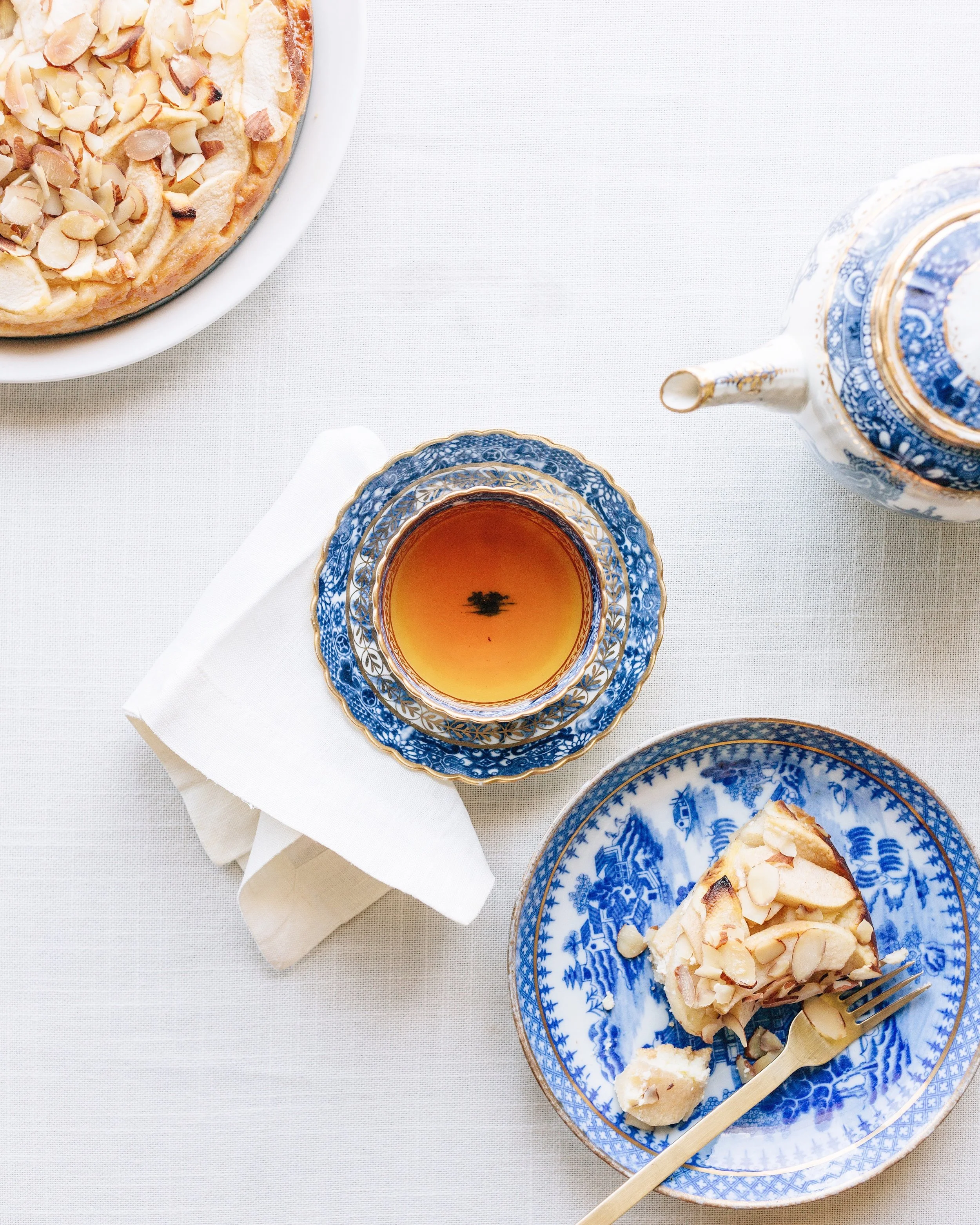
Image by Erol Ahmed
I've been on a major tea kick lately, sipping the herbal variety all day at work to keep myself warm and hydrated. One of my students took note of my habit, and now asks me every day in his best British accent, "will there be any tea today, Ms. Palhegyi?"
My current favorite is Numi Tea's Rooibos Chai, which is the best non-caffeinated Chai I've come across aside from Samovar's more expensive version (price aside, if you're ever in San Francisco and have a chance to visit Samovar Tea Lounge, DO IT). I brew loose leaf to cut down on waste, using a metal infuser and an electric kettle, and drink it straight to fully savor the delicate combination of cinnamon, ginger, cloves, nutmeg, and cardamom. I love including this ritual in my otherwise hectic day — although my classroom version isn't nearly as pretty as the layout above, shot by friend and talented photographer Erol Ahmed.
To recreate this tea service yourself, try some of these fair trade teas and accessories, all from companies that are fair trade certified, made in the USA, or otherwise committed to sustainability:


This post contains affiliate links. Please see my sponsored post policy for details!

The No-Shopping Report: Weeks One Through Six

At the beginning of the year, I set a single intention: no shopping for new clothing or accessories for the next six months. And while it's only been six weeks, I'm surprised by how easy it's been so far. I've tried to "quit" a lot of things over the course of my adult life (dairy, meat, alcohol, social media), and each attempt resulted in some level of emotional meltdown. I don't like depriving myself of life's little pleasures, and having strict rules in place usually makes me want to stick it to whoever made them — even if it was me. So far, though, having a hard and fast rule about shopping has only resulted in an overwhelming sense of... peace.

Island Jacqui is super chill.
Take travel, for example.
Jon and I took a quick trip to St. Lucia at the beginning of January to attend his brother's wedding. While 2017 Jacqui would have used this as an excuse to buy a new (even if "ethical") swim suit, cover up, or breezy island dress, No Shopping Jacqui had to get resourceful. So I borrowed a crocheted cover up from my mom (who lives in Southern California and has an endless supply of beachy things), sewed the strap back on to my Mollusk Surf Shop bikini (which I had been entirely too lazy to do before), and wore my Reformation Mattie dress to the ceremony (which I had initially ruled out because it was purchased while pregnant and therefore a maternity dress). Not having to buy anything new made preparing for our trip remarkably stress-free. Well, except for the leaving Avery part. That was hard.
In other silly-but-true moments from our trip: I left my sunglasses in my sibling-in-laws' room one morning and couldn't access them for about four hours. No Rules Jacqui would have most definitely bought a new pair at the resort gift shop rather than endure a few hours of tortured eyes, but No Shopping Jacqui had to hold her damn horses. And it was fine.
Another goal of my shopping ban is to focus on caring for the clothes and accessories I have. This inspired me to finally clean my brass jewelry with lemon and baking soda. You can read the scintillating details here.
Thoughts So Far
While I don't expect a gold star for simply exercising a basic sense of frugality, I will say it's been an enlightening journey thus far. I've been reminded of a few important things:
- I already have a closet full of pretty clothes (I'm lucky!)
- Borrowing is a legitimate option (free stuff kind of!)
- Novelty can be achieved by mending, cleaning, and restyling pieces you already have
- Shopping is actually pretty stressful (decision fatigue is real), and this stint feels more like a break than a punishment
I'll leave you with pregnant/not pregnant comparison shot featuring my Reformation dress... proof that there's life after maternity!

Me, super pregnant, at the Palihouse in Santa Monica

Me, same dress, St. Lucia, posing awkwardly because the photographer told me to put my hand on Jon's chest. Why is this a thing?
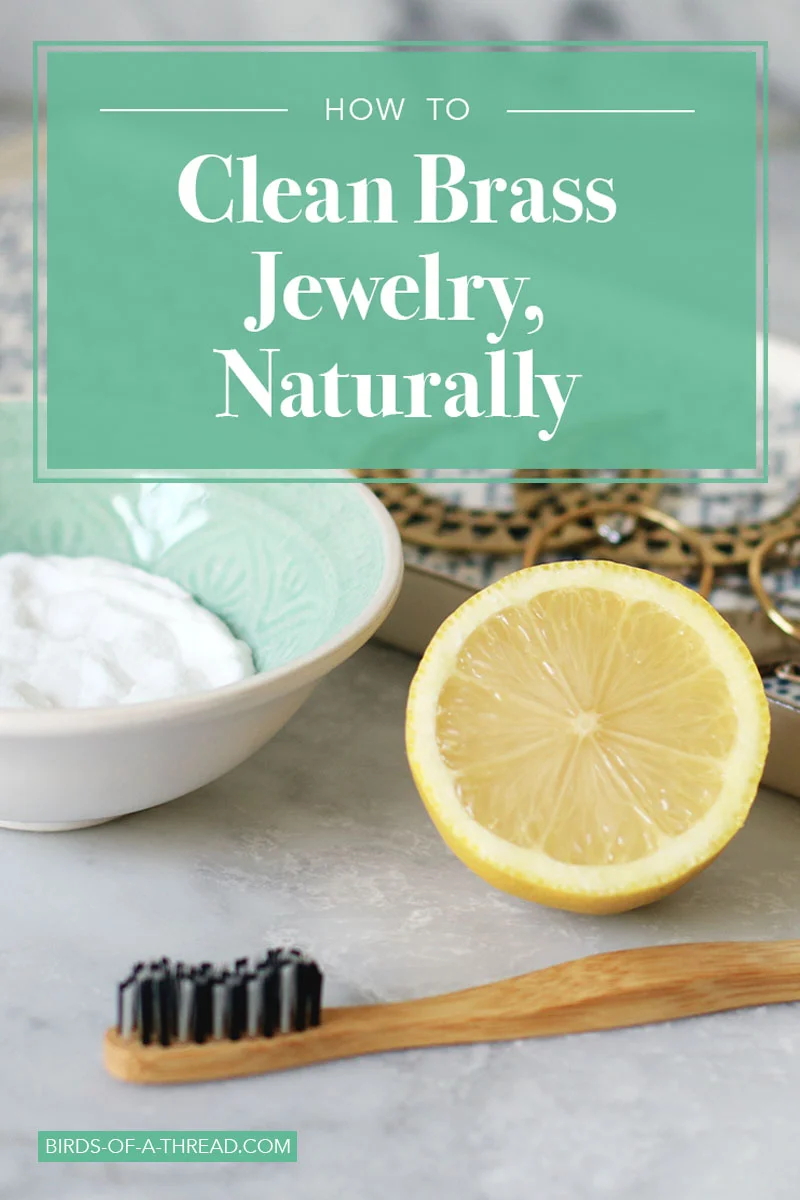
Make It New: Clean Your Brass Jewelry with Lemon and Baking Soda
One of the goals of my six months, no shopping stint is to learn how to better care for the clothing and accessories I already have. I don't actually own that much jewelry to begin with, and usually rotate among five pairs of earrings, a necklace or two, and a couple of cuff bracelets. This works fine for me, but it does mean that I put a decent amount of wear on each piece. And my brass pieces were starting to get dirrrrty.
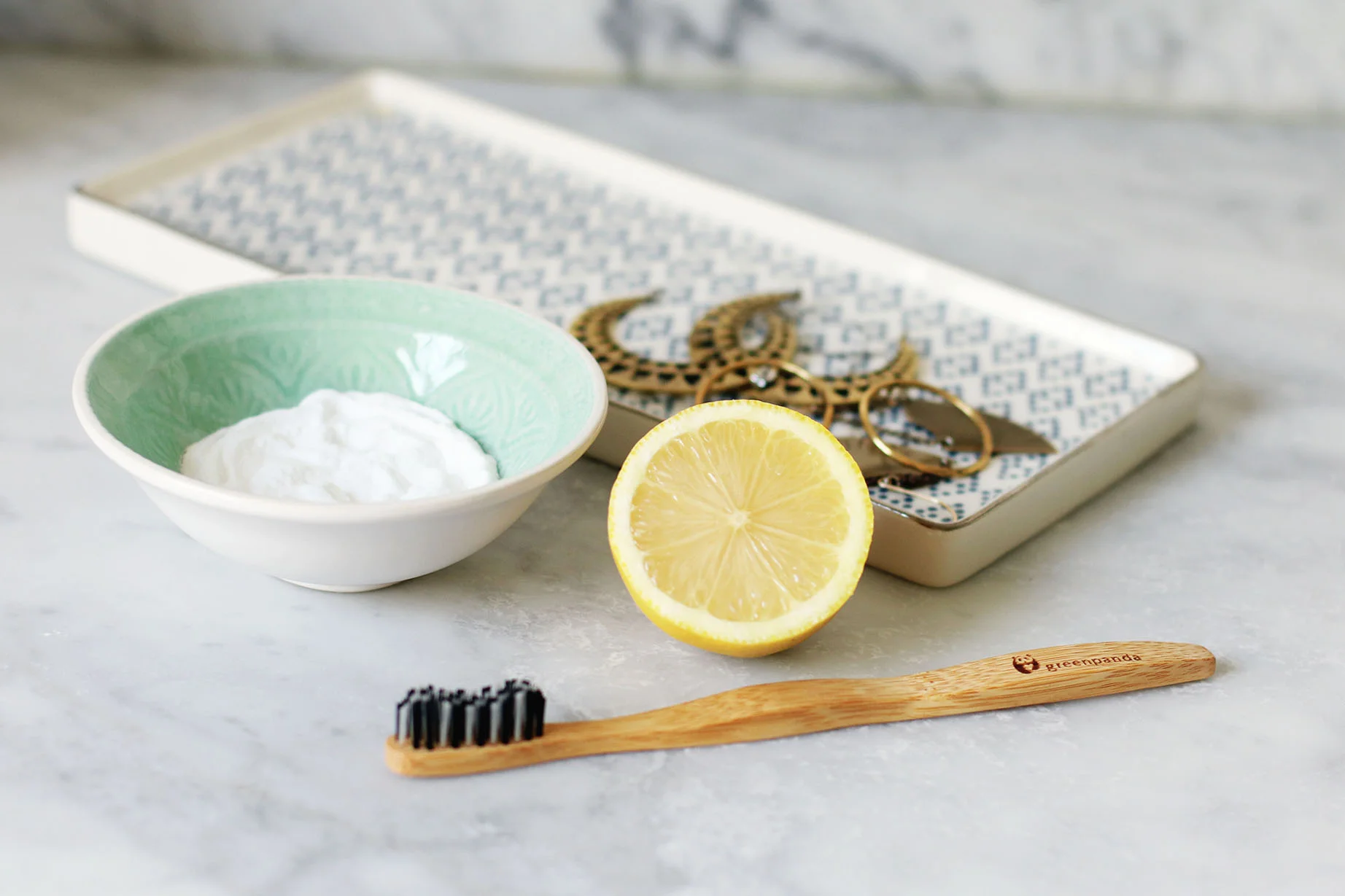
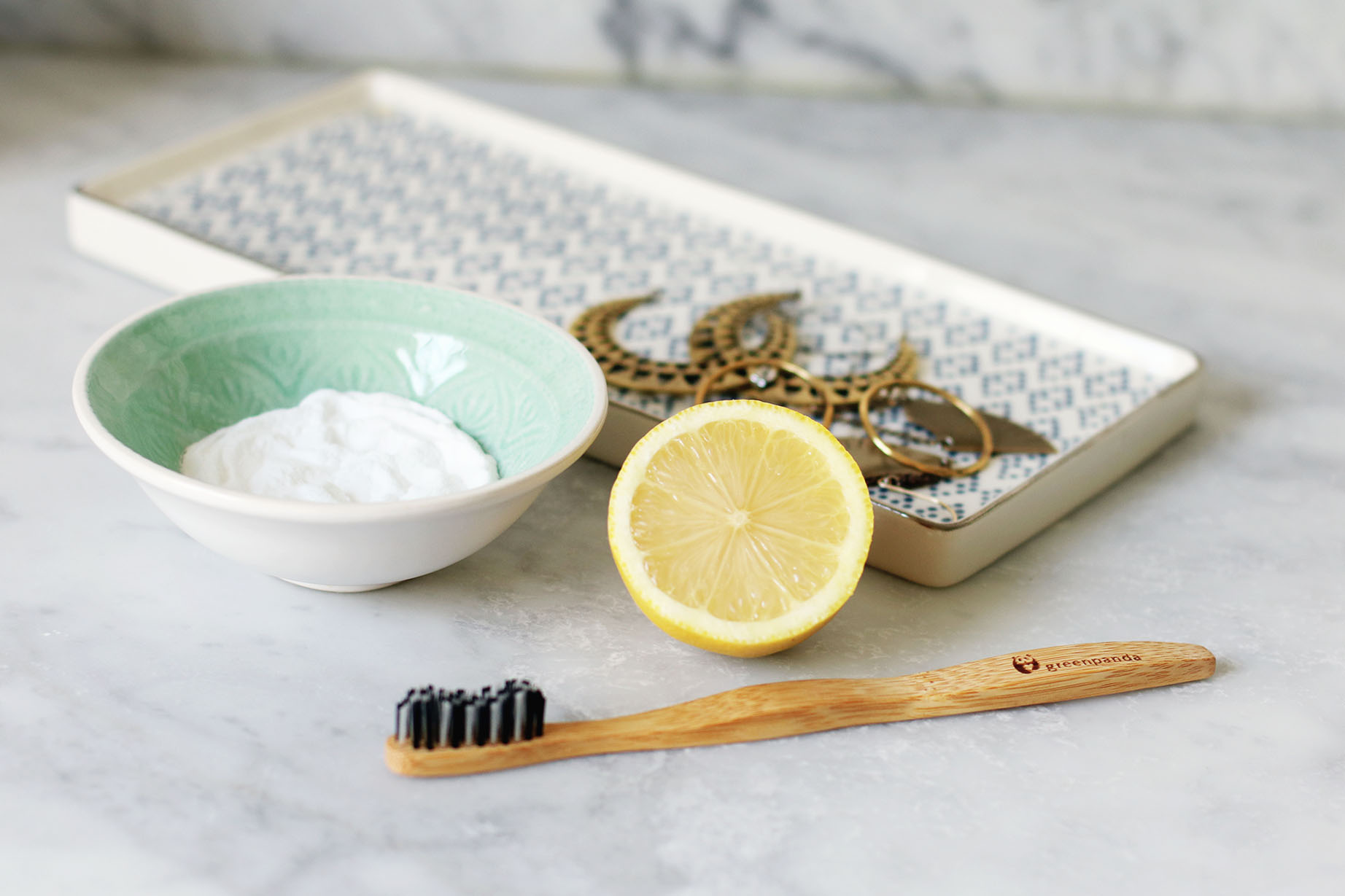
So I thought I'd try out a natural brass cleaning technique I've seen all over the place: lemon and baking soda. The process is pretty simple:
- Just squeeze half a lemon into a small bowl filled with 3-4 teaspoons of baking soda and stir.
- This creates a marvelous, science fair-style bubbly paste, which you then apply with an old toothbrush to your brass pieces and scrub away.
- Rinse, making sure the paste is completely removed from all the nooks and crannies, and pat dry.
- Repeat the process if needed to get your brass nice and shiny (I cleaned mine twice).
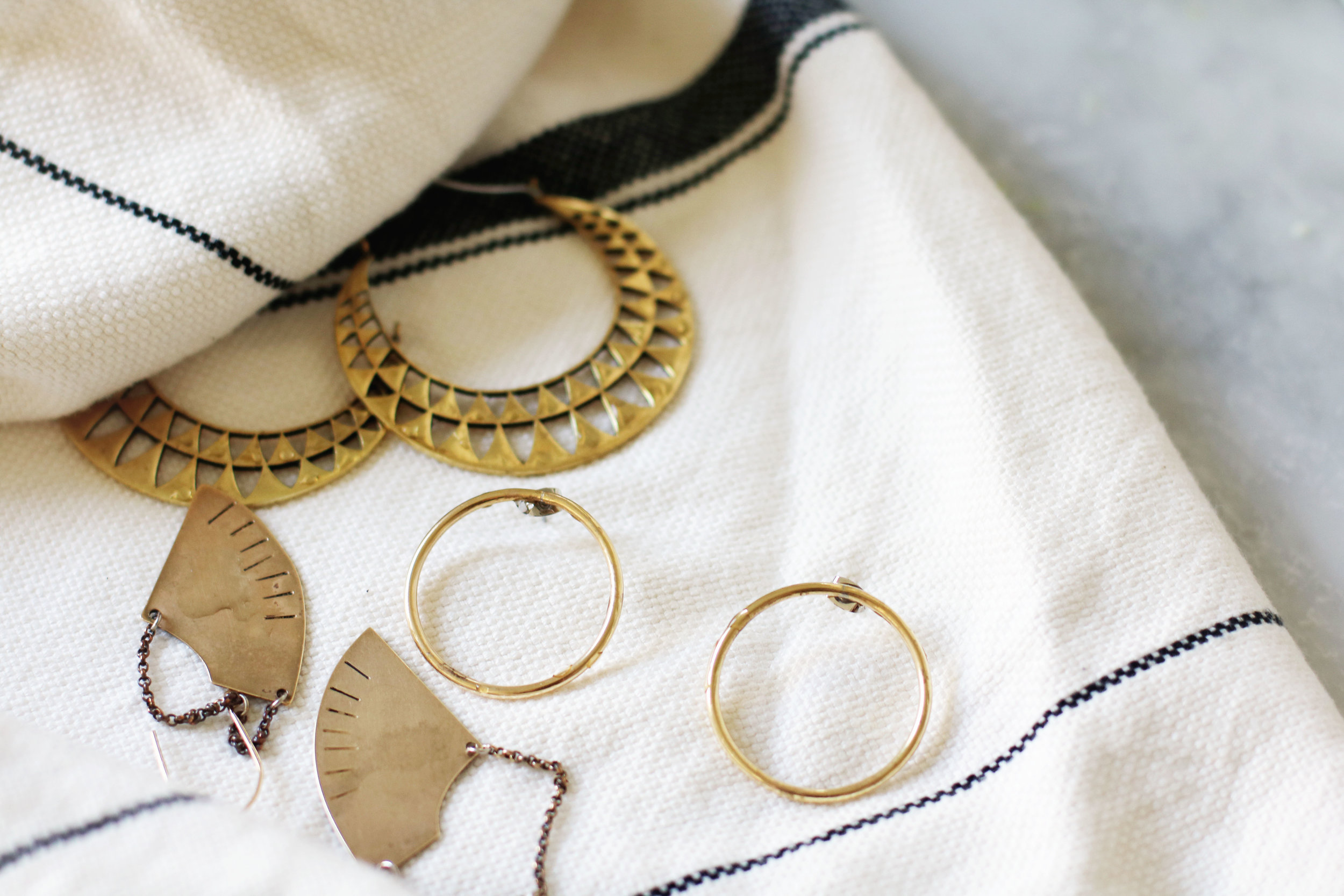
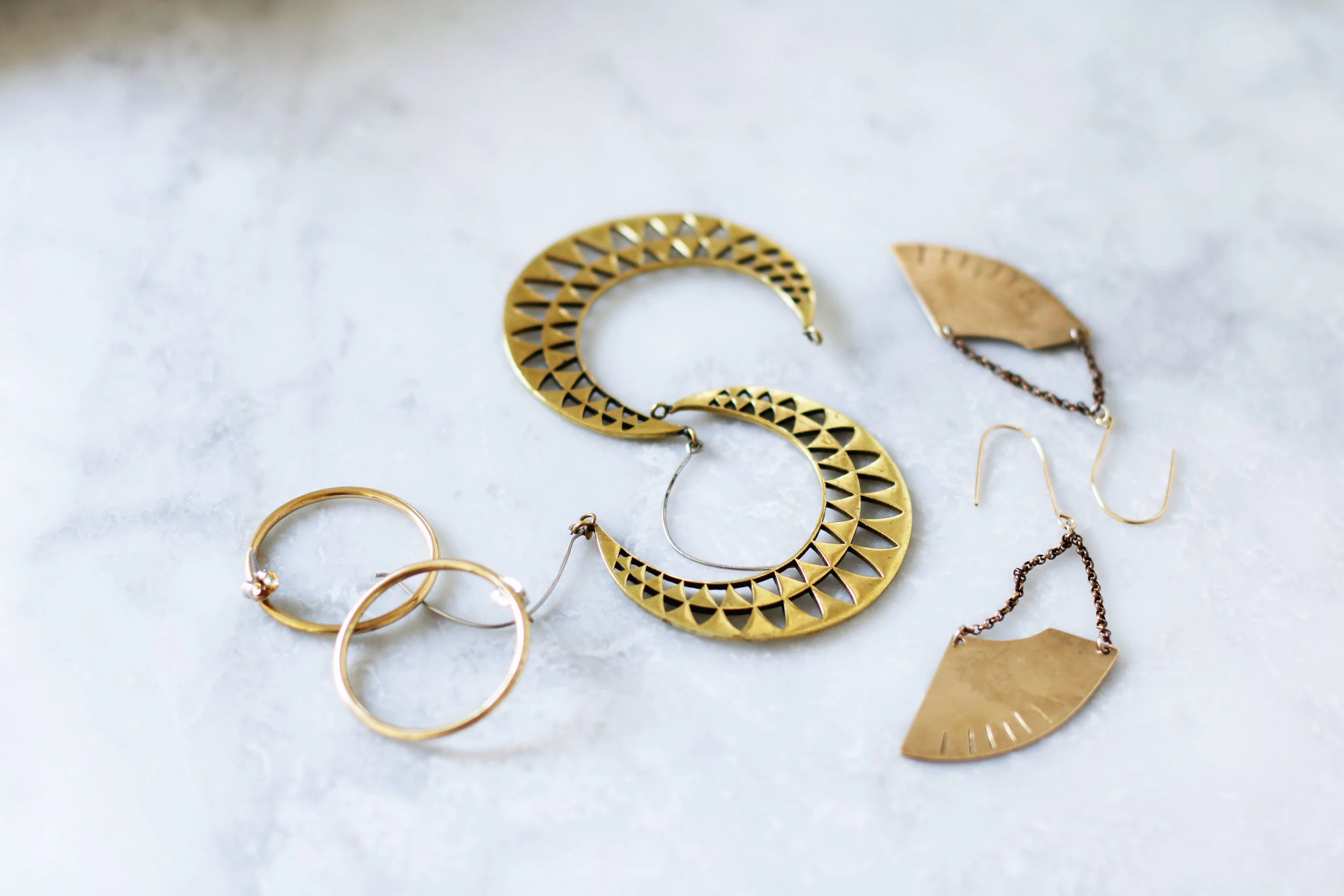
I was pretty happy with the results; the mixture cleaned and shined my jewelry nicely while still retaining some of the patina that makes brass so charming in the first place. To get all of the stains out, you may need to use a stronger solution (I've heard apple cider vinegar also works well), but I was happy with results that this method achieved. Here's a before and after shot for comparison:
Before...
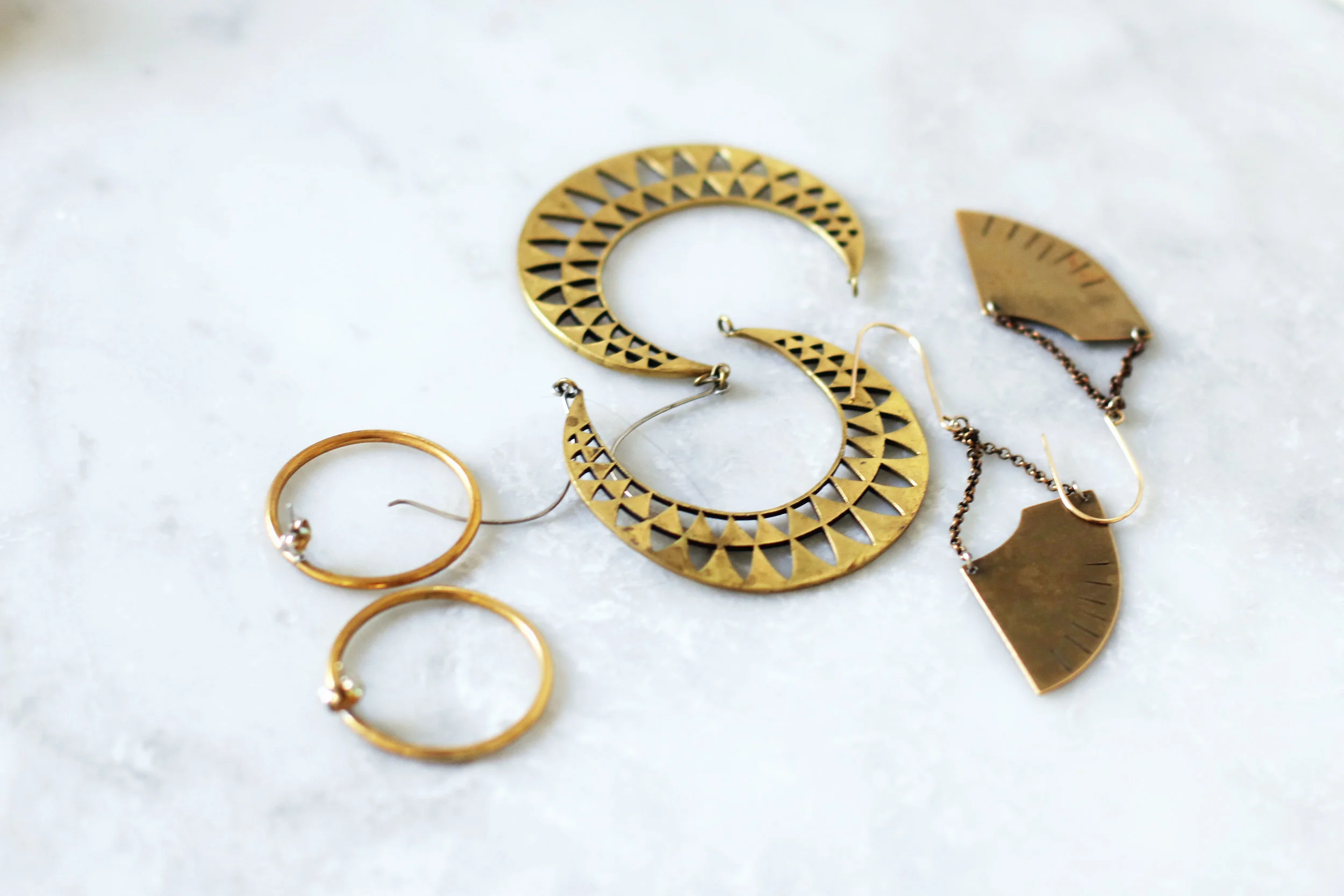
after!
What are your favorite natural cleaning methods for jewelry, clothing, or other accessories?
Travel Opportunity for Makers: A Creative Textile Exchange in Guatemala

I'm super excited to share this travel opportunity, hosted by Mari of Kakaw Designs, with you. Read on for the details.
Come together to share, learn, and create
Are you a crafty person who likes to make things and who cherishes handmade traditions? I am, too! But I bet our experiences and ideas are different.
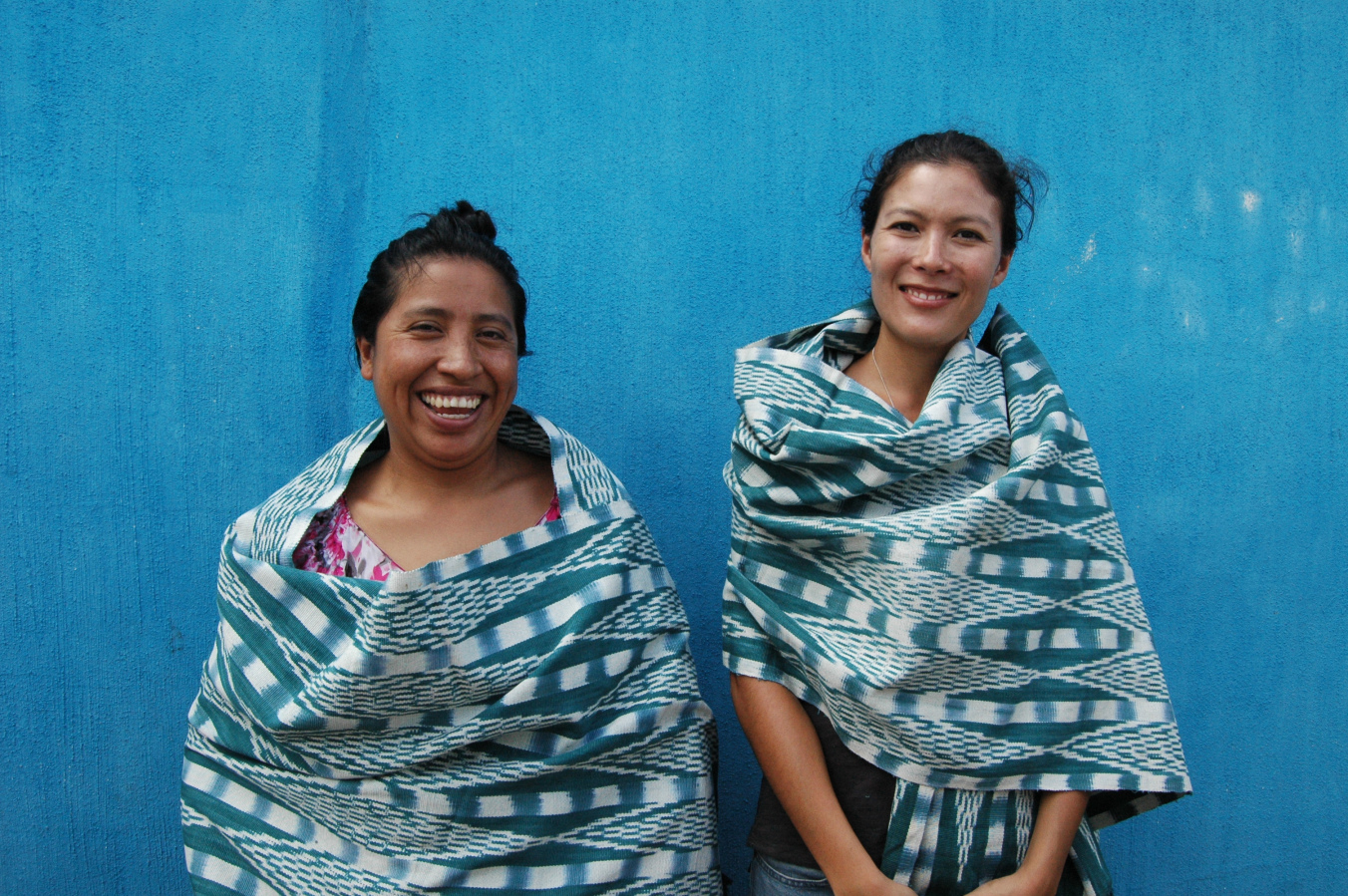
That’s the basis of our upcoming Textile Travel for Makers, launching in August 2018. While working with textile artisan communities in Guatemala through my business Kakaw Designs, I’ve come to realize how interested our partner artisans are in learning about different techniques, patterns, designs, and concepts. And ultimately, wouldn’t it be ideal if these talented artisans could themselves take a more active role in the design process, without depending on designers from outside of their communities?
This is the part that I love most about working with artisans: getting excited together about new creations, and trying out new ideas. But I’m just one person, and I only have a small limited number of ideas. That’s why I’d like to invite other creative Makers out there to join us on this new journey of idea exchange in Guatemala.
We’re so excited to share our crafts together – our partner artisans are experts in natural dyes, backstrap weaving, embroidery, making ikat designs, and more. But it’s no surprise that it can be challenging to think outside of the box in the rural context, especially for tactile and visual traditions like in textiles. So, we thought – why not come together and share our ideas in beautiful Guatemala, and have fun while at it?
Our artisan partners are happy to share their traditional craft techniques, and they’re also looking forward to hearing about different experiences and ideas, especially with textiles. We’ll be hosting workshops to facilitate creative idea exchange in a safe space for all of us to come together and take part in a true and real kind of cultural exchange that we can all relate to as Makers.


Who can participate?
Anyone crafty and creative is encouraged to come. Obviously weavers, embroiderers, and seamstresses have a lot to directly contribute to rural artisans, but also I think it's really interesting to hear from people with experience in other techniques that are not prevalent in Guatemala, such as quilting, knitting, block printing, shibori, sashiko, or leaf printing. Skills such as color theory, presentation of products, and simple photography could also all be very helpful, so please feel free to reach out, whether you're an active "maker" or not. I think we all have something to contribute and can learn from each other.
How much will it cost, can what can you expect?
I’ll be leading the small group through Guatemala, together with my mother, Aiko Kobayashi, who has been a textile tour guide for over two decades. We’re excited to add this creative twist, further enhancing both the visitors’ and the artisans’ experiences and making sure that local communities benefit in a meaningful way. We’re currently taking sign-ups for the trip, with two available itineraries starting at only $1800. For more details, please go to our website and/or email me.
Isn’t it great when an idea is just all-around good, benefitting everyone involved? That’s how we feel about this new branch of Kakaw Designs. Supporting our partner artisans even more while at the same time enhancing participants’ travel experiences in an ethical and sustainable way through exchanges based on common interests as Makers of the world. We’re so excited to get our creative juices flowing, together.
Mari Gray
mari@kakawdesigns.com
kakawdesigns.com

My One New Year’s Intention: Six Months, No Shopping

I don’t like the way I left 2017.
I fell asleep at 9:30, wracked with feelings of guilt over all the things I didn’t do, all the promises I didn’t deliver on, all the opportunities I missed. It was a champagne-induced guilt, the kind that’s hard to crawl out of because you’re half-dreaming and your brain is already impaired, and you’re already hating yourself for the hangover you know you’re in for in about six hours.
So I felt guilty that I drank too much. I felt guilty about my haphazard career path – that I left my job of four years, practically on a whim, to return to teaching. I felt guilty that I wasn’t able to immediately provide my students with an inclusive, inspiring learning environment. I felt guilty that I didn’t devote more time to this blog after merging with Let’s Be Fair, or deliver on the promise of more frequent, useful content. I felt guilty that I never sent thank you cards for all of Avery’s presents.
I felt guilty about feeling guilty.
And I woke up New Year's morning so angry at all of that guilt. At all of the unreasonable expectations I put on myself, and all of the (mostly perceived) expectations of others. And while I could resolve to be kinder to myself, to make more time for self-care, to say “no” more... the last thing I want to do is set more expectations that I’ll eventually feel guilty about not living up to (I mean, who wants to fail at self-care?).
So screw a list of resolutions this year.
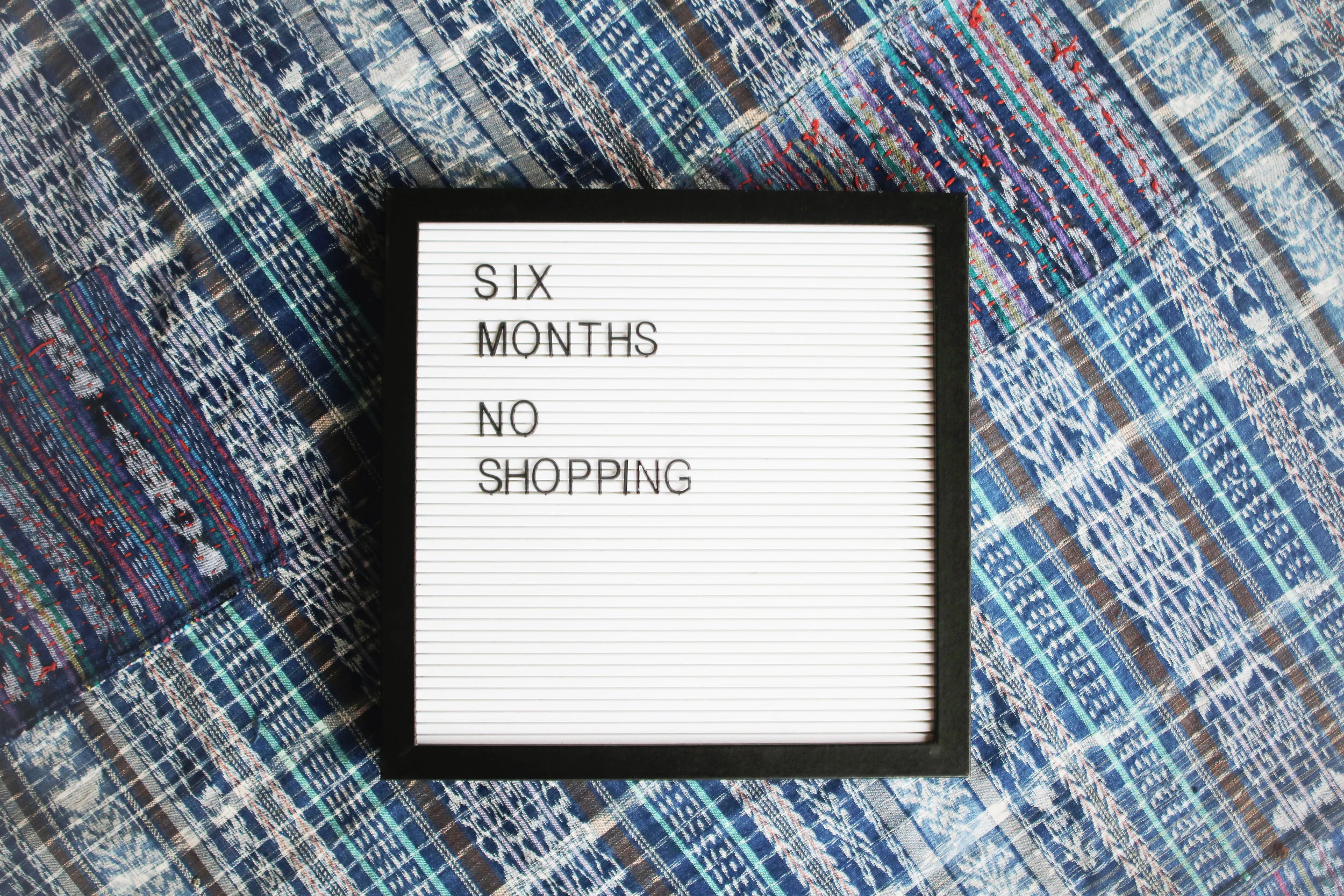
Rather, I’m setting one simple, achievable intention – one that requires doing less, not more. I simply won't shop for six months.
The timing is right, so why not?
I’ve been wanting to try a shopping “fast” for a long time, but have always found excuses not to. Some of them were legit (like being pregnant), and some were superfluous (a trip that required a new pair of sandals, or a wedding that simply necessitated a breezy wrap dress).
But at a year postpartum, I finally fit into my "normal" size again, and have full access to my prior wardrobe. Note: I'm air-quoting here because everyone's "normal" is different and subject to change. I wasn't sure I would ever return to my pre-pregnancy weight, and I was okay with that. Some women don't, and it's not because they didn't exercise enough or eat right or practice enough mindfulness. I didn't do any of those things, to be honest. That's just the way my body responded.
Anyway, taking a break from my closet gave me some much-needed perspective, and has filled me with a new appreciation for the things I already have. Thanks to some coaching from Anuschka Rees and Colette Patterns' Wardrobe Architect project, I put some major thought into my wardrobe over the past few years. I invested in several staple pieces, and honed my personal style (you can see some of that work here, here, and here). Getting dressed in the morning is so much easier these days, and I feel confident and comfortable in the clothes I have.
That said, I still do have a tendency to shop my feelings. After a hard day at work or a long night caring for a sick baby, all I want to do is something mindless – and browsing pretty things online, at the mall, or even my local Salvation Army fits that bill. In a way it does feel like a form of self-care, but not the kind that I want to cultivate. So for this and a few other reasons, I’m cutting myself off. Here’s the deal:
Parameters
- No new clothing or accessories for six months
- Repair, borrow, or trade for anything new
- Exceptions: bras/ underwear if needed or the replacement of any essential items that may get irreparably damaged (shoes, etc.)
Intended outcomes
- Save some $$$
- Learn how to better care for and repair my clothes
- Find new creative ways to style the clothes I have
- Find better ways to deal with stress/ boredom
I’m hoping to include lots of outfit posts and clothing maintenance tips along the way, so stay tuned. And if you’re on a similar journey, let me know! I’d love to hear about your experiences.
Happy new year, friends, and here’s to a more mindful and creative 2018!
A British-Made Duffle in a Goldrush Town

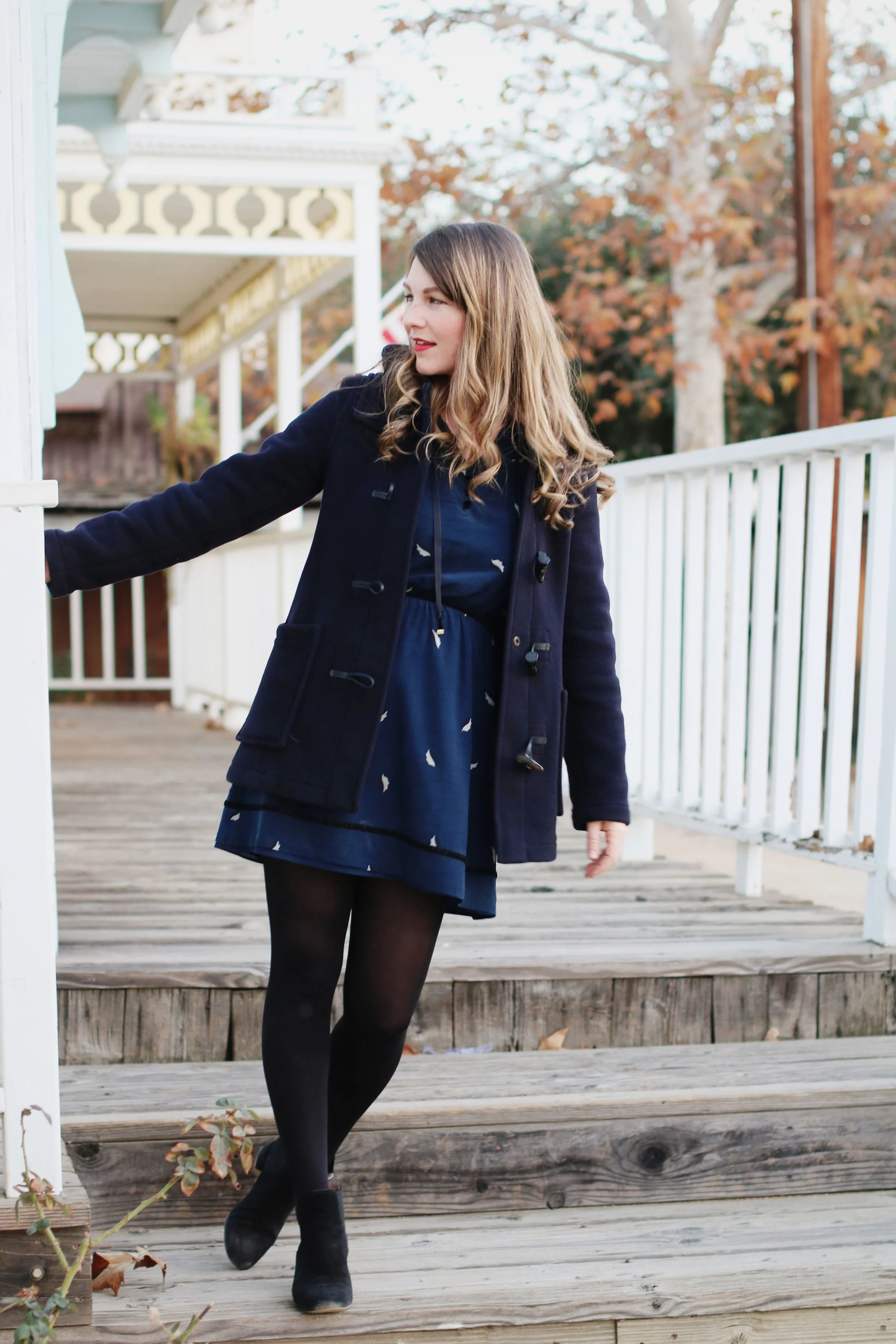
I bought this Gloverall duffle coat almost two years ago, just before I got pregnant with Avery. I'd actually planned to send it back – partly because I didn't think it fit me right and partly because I felt guilty about spending so much on it. Instead I let it sit in the back of our car, return label affixed, for the duration of an entire pregnancy + baby year before finally resurrecting it this winter.
And as it turns out, I absolutely love this jacket. Whatever fit issues I thought it had back in 2016 I no longer notice, and it's a little late to worry about the price tag – that money's long spent.
I love the slim cut, the buffalo horn toggles, the rich navy hue, and the cozy deep pockets. But most of all, I love the weight. It's not your typical stiff pea coat wool, but rather a breathable, medium weight 80/20 wool-poly blend that feels a lot like performance fleece. I know that polyamide fabrics aren't the most sustainable, but in this case I'm willing to compromise for the sake of wearability (in temperate California, a truly heavy wool coat will make your swelter).
The Gloverall brand also has a cool history. It was founded in 1951 when Harold & Freda Morris were approached the by Britain's Ministry of defense to help make good use of their surplus World War II Naval ‘Monty’ duffle coats. Once the public got a taste of these stylish and functional coats they went nuts, and Gloverall's stock ran out by 1954. At that point, the company designed their own version of the military-style duffle using a lighter fabric and special cuts for women and children. Over sixty years later, their coats are all still made in the U.K.
All the boxes are checked in my book: classic style, ethical cred, top-notch quality, and comfort.
So even though my hometown of Temecula is quite mild at the moment, I'll just play British dress-up while enjoying the cool desert air. And leaning listlessly against refurbished 19th-century saloons, naturally.


These Autumn Evergreens

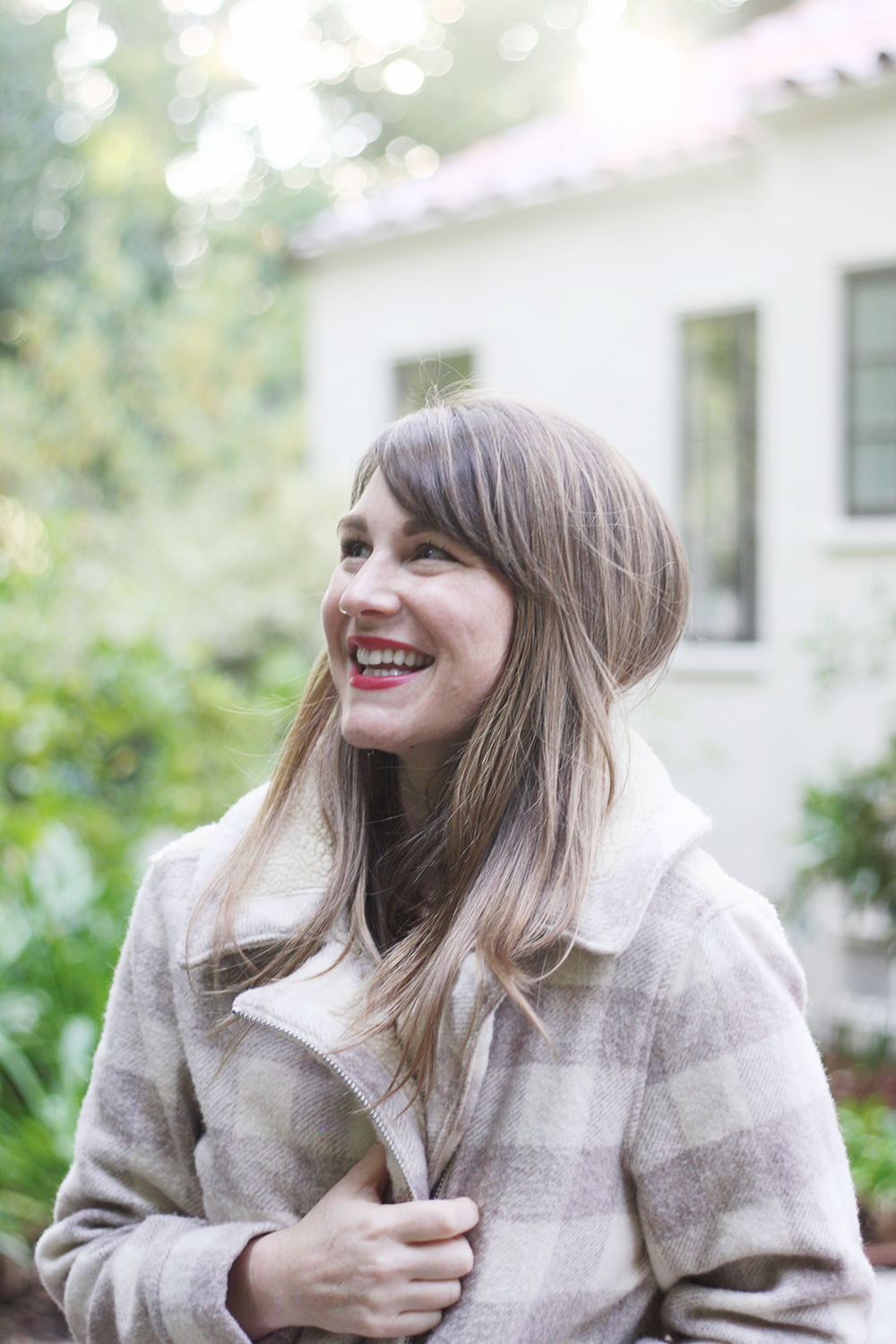
Although our neighborhood is filled with orange and gold these days, you'll also find pockets of eternal summer. Northern California is filled with conifers, live oak trees, and ivy varieties, all of whom provide just enough green to offset their dreary deciduous cousins.
I like the idea of having evergreen pieces in my wardrobe, too. This Woolrich jacket is one of them: light enough for summer evenings but warm enough to provide a cozy top layer in fall and winter. Same with my Viktoria + Woods denim skirt, which can be winterized with boots and tights. All of the pieces pictured here have become wardrobe staples and, with the exception of the Amour Vert top, have been in my closet for over three years. It's all part of the clothing philosophy I'm trying to live by: investing in well-made, relatively timeless pieces that will stay with me for many seasons to come.


Outfit details: Woolrich jacket (fabric made in U.S.A., similar here) | Viktoria + Woods high-waisted denim skirt (similar here; made in Australia) | Corso Como boots (I've had these for over five years and love 'em; similar here) | Amour Vert ribbed tank top (made in U.S.A., similar here).


One Warm Coat

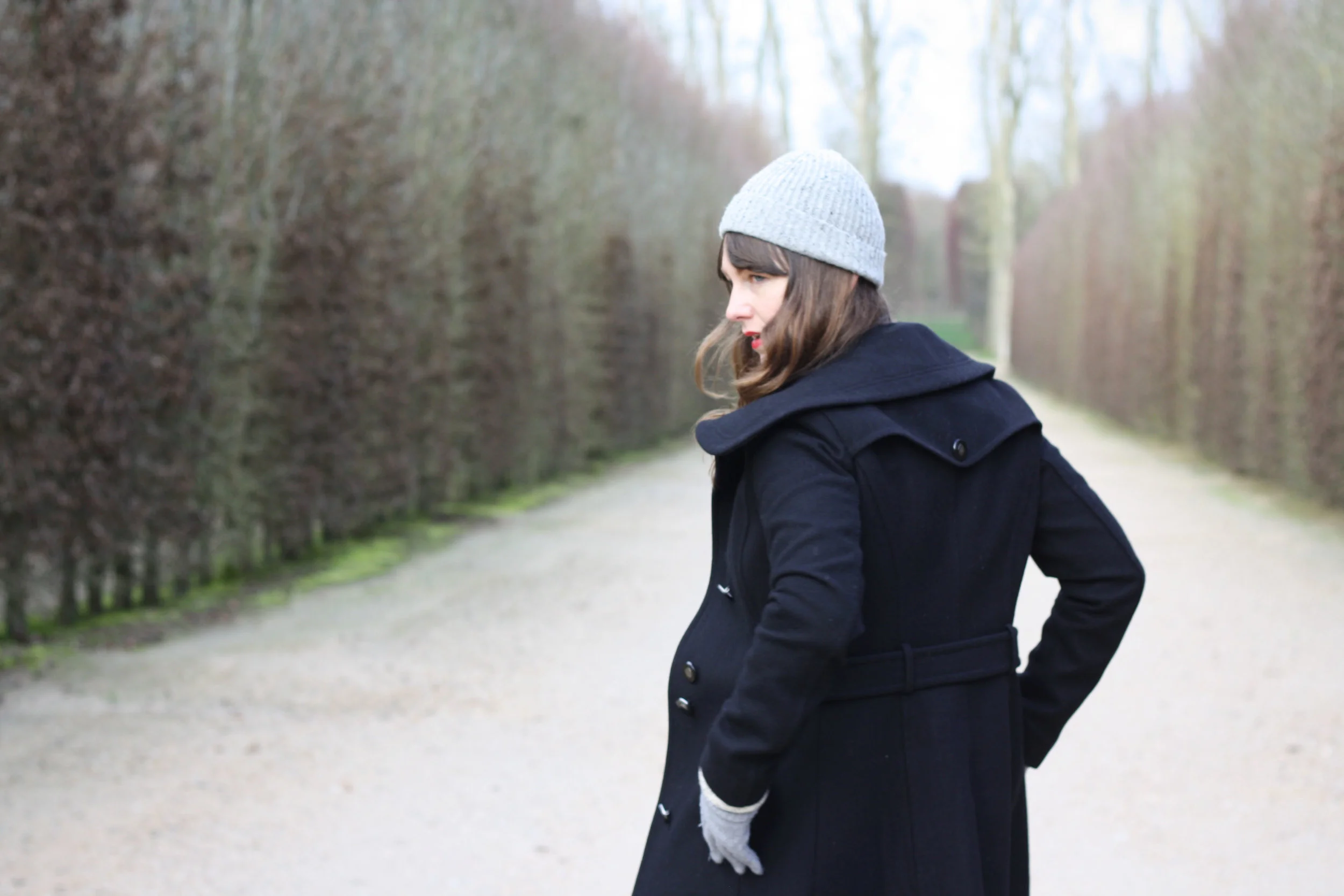
My winter coat has served me well, from east coast blizzards to the gardens of Versailles.
This post originally appeared back in 2013. With winter approaching, I thought it deserved a revivial, complete with updated suggestions on where to shop for an ethically-made coat.
On the coziness scale, wrapping yourself up in a nice wool coat ranks right up there with a hot toddy and a Golden Girls marathon. I bought my first good black pea coat before a trip to Philadelphia and New York, where my husband and I found ourselves caught in Snowmageddon 2010. Needless to say, I was extremely grateful for my coat's substantial lining and generous hood.
Experiences like an east coast blizzard also remind me of how difficult winter can be for those who don’t have a warm coat to shield them from the elements. Which is where organizations like One Warm Coat come in.
One Warm Coat is a volunteer organization that grew from a Thanksgiving weekend coat drive in San Francisco in 1992. Now a nationwide initiative, One Warm Coat provides tools, resources, and publicity support to volunteer groups across North America. Their goal is simple: collect coats to give to those in need, free of charge.
Providing a coat may seem like a small gesture when necessities like food, shelter, and vaccines are also sorely needed, but the facts that OWC provides on its website are compelling:
- 1 in 5 children live in households whose earnings fall below the poverty level in the U.S.
- 3.5 million people experience homelessness each year.
- Even a 2-degree drop in body temperature results in reduced heart rate, loss of coordination, and confusion. Adults cannot work effectively and children find it difficult to learn. For the nearly 15% of Americans living in poverty, a warm winter coat is a budget “extra.”
(U.S. Census data September 2016 and Hypothermia, University of Maryland Medical Center)
The bottom line is that a good, warm coat isn’t cheap. I’m a huge advocate of spending a little more on well-made clothing that will last for years, but for many people that simply isn’t an option.
How you can help
- Clean out your closet and donate a coat or two
- Organize a coat drive within your company, school, or home town
- Urge your company or organization to sponsor One Warm Coat
- Make a direct donation or send an eDonation card to someone you love
In the market for a new coat?
After donating your gently used coat, consider investing in one of these ethically sourced beauties:
- Women's Insulated Prairie Dawn Parka, Patagonia - Organic cotton, recycled polyester, and transparent supply chain.
- Los Ojos Trench Cloak, Linsday Thornburg and Pendleton - Made sustainably in the USA (see Pendleton’s stance on social responsibility).
- Slim Duffle Coat, Gloverall - Made in the UK
- ELDA Wool & Recycled Poly Coat, Komodo - Organic/ recycled,
- Winter Coat, Indigenous - Alpaca and wool, fair trade, low-impact dyes

Back in the Classroom

If there's one thing that parenting has taught me so far, it's that you just go with it. Whatever "it" is.
One day, I'm declaring my intent to work part-time in order to devote myself to blogging and my daughter.
A month later, I'm signing a full-time teaching contract.
High school. Three preps. Mid-year.
Because I'm insane.
I'm sleeping less, taking work home, ruminating over problems in my off hours. I have less flexibility during the school year than I did at my previous gig. I'm exhausted, run down, and working my ass off.
But for now, I'm exactly where I'm supposed to be.
The Thoughtful Friend: Postpartum

Photo credit: Jessica Fey
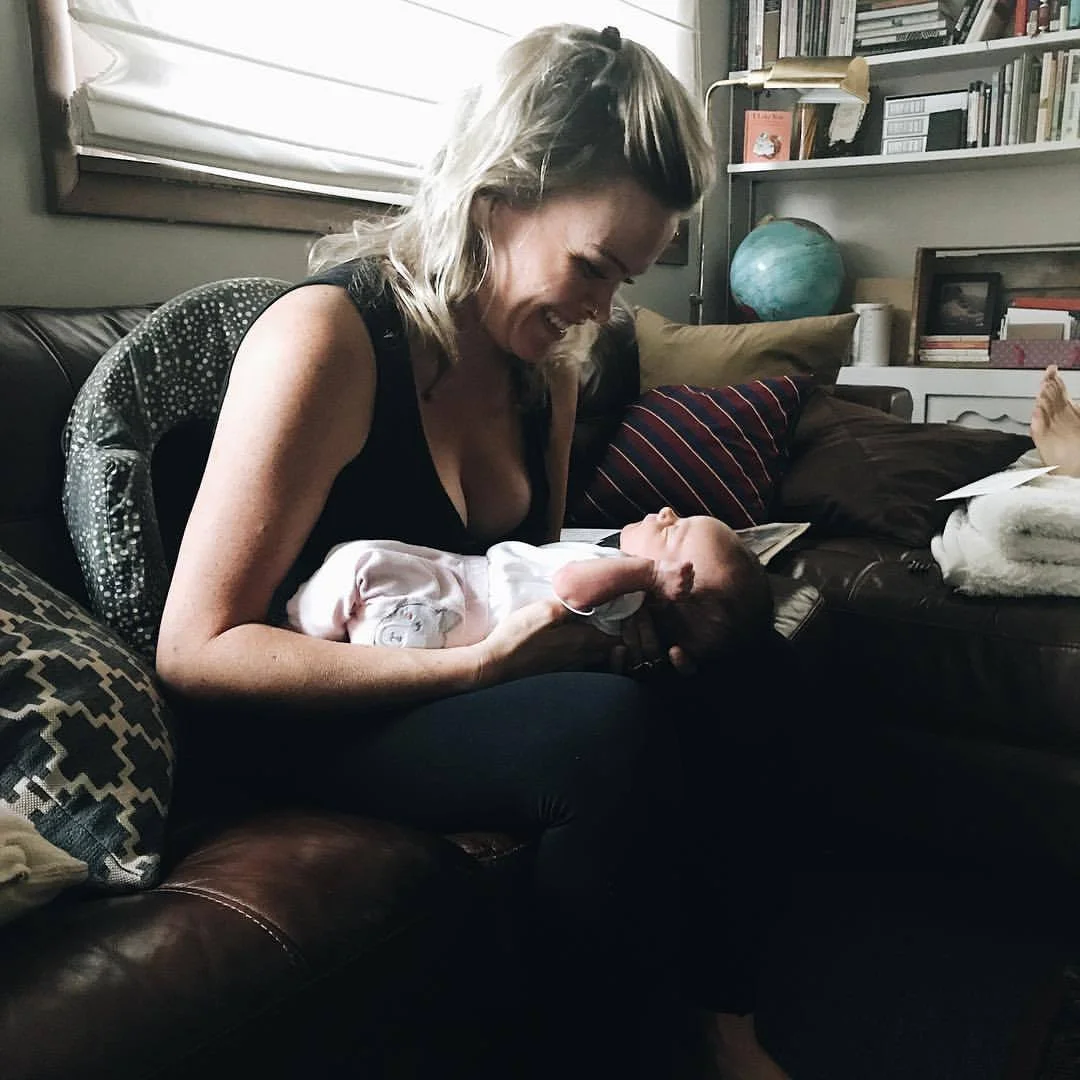
My dear friend Beth recently captured the torrent of emotions that arrive, in tow, with a new baby. I'm sharing it here as part of the Thoughtful Friend series in the hopes that it can shed some light on the loneliness, confusion, and existential mini-crises that come along with being a new parent, and the need for support and community throughout. This post originally appeared on Love as Big as Your Head.
It's 5:40 pm.
Every day since Melby was born, around this time, when the sun starts to dip, so does my heart. I get despondent. I get desperate and teary-eyed.
Nic, if he's home, is usually puttering outdoors at this point in the day, nesting in his own way, by imagining so many beautiful hedges and patios for our backyard. He's laying out pieces of cardboard he's cut to mimic the size of some pavers he found, planning the possible edges of a small sitting area for his newborn family. I watch him through our cracked and dirty windows, wishing I felt something different than I do.
At some juncture, he'll come inside and find me clutching the baby, my eyes brimming with tears.
When he asks me what's wrong, I never know.
I feel lonely, is all I can muster.
It's a loneliness that's not cured by company or physical touch or reassurance. It sits deep in my belly. It makes me ask, what's the meaning of life?
I feel ashamed for thinking something so terribly basic and cliche. I feel ashamed for feeling anything other than abject joy at this amazing person's arrival. But it's all that runs through my head.
Why am I here? What's the point of living? Am i just a mom now? What does it mean to be a mom? What makes me valuable? What ever made me valuable before? Am I enough? What is enough? Will I always feel this way? What's the point? What about tomorrow? When is it enough? Will it ever be enough? What does it feel like to be complete? Am I an awful person for having a baby and still feeling this way? Will she feel it? Will I infect her?
My mind turns to both what is termed "the baby blues" and postpartum anxiety/ depression. Many people warned me about it. It's more common than you think. It's okay to ask for help.
I don't have a problem admitting I need help sometimes. Not with big things like that. I have a hard time asking someone to bring over some tacos because I'm hungry or to drive me to the airport, but when it comes to addressing my mental health, I think I'm pretty responsive to my own needs.
But this doesn't feel like that.
I don't know if that's true obviously. I've had zero babies before. I don't know what the aftermath feels like. Maybe this is postpartum something to a tee.
But this, this feels old. It feels ancient. It feels like something that's been buried in my bones since I was a child. It feels like something I've spent a lifetime trying to distract myself from.
I have always worked hard. I graduated college in 3 years and worked nearly full time concurrently. I have always had many jobs, long hours. I've kept myself impossibly busy for a very long time. Being busy has kept me just distracted enough to skate across the surface of these deeply rooted questions of meaning and self-worth.
And then Melby arrived. My beautiful, soft, screeching, cuddly, tender blowout of a girl. I love her. Don't think for a single second that any of these words compromise that total love for her.
But with her came a cavern. A huge, empty expanse.
I asked for it. I asked for the stillness, the time and space to figure each other out, to not rush, to be tender, to care for her, solely. I asked for the long yawn-- the breathing in. I knew we needed this.
And I would choose it again. I know it's the right thing.
But it's terrifying in ways I didn't quite anticipate. In ways I can't quite comprehend yet.
There are no more distractions.
I mean, there are a million. There are, on average, 13 diapers per day, at least two loads of laundry, four plus hours of active breastfeeding plus however many more of her wandering eyes and time spent latching, one to several naps together, so many consolations of tears, the vacuuming up of cat hair and general managing the house, some paltry amount of time of walking and/ or yoga I can muster per day, visiting with friends, and then all the food-- food that takes up eternity in preparation, cleaning, and thought for my ravenous body.
It is plenty of distractions. But at the same time, there are none. It's just me and this girl. There are no deadlines, there's no schedule, there are no demands, no necessities, no assessments, no boss, no paycheck. I have stripped my life bare of all the constructs-- all the rushing about that once made me feel important and valuable. It made me feel like I belonged to something, that I was essential.
Now it is eerily still.
I'm left with myself. My real, whole self. Not the self trying to impress or please someone, not the self trying to do it right, not the self trying to keep up.
It's just Beth.
Who am I?
I think that's the lonely feeling.
I'm just not sure who I am. I'm not sure why I am. I'm not sure why anything.
Those are the tears. The sun begins to set. I realize a day has almost passed and I don't know what it all means.
It feels very silly in comparison with all that's happening in the world. Big, real, devastating, atrocious things are happening every day.
But my life has become so small, so insular. It is my couch and the breastfeeding pillow and that small sweet face. It's so small I can't see out right now. I am sorry for that. I feel guilty for that.
But I can see enough to know I'm lost.
I figure my footing starts here. In this admission. That I am lonely because I don't know myself. That I'm lonely because I've spent a lifetime trying to avoid myself. That, for the first time, someone else's life is on the line too, and suddenly it feels urgent that I get my shit together.
I have never in my life felt so raw.
I feel like a newborn myself.
Melby and I are just getting started. Maybe we can grow together, my girl. Maybe in taking care of you, I will also learn to take care of myself.
I don't know. Tomorrow is a new day. We'll sit in this for now. We'll feel it. We'll begin the process of figuring it out.
Tomorrow is a new day. We'll get there together.

My Favorite Ethical Baby Clothing Brands (So Far)
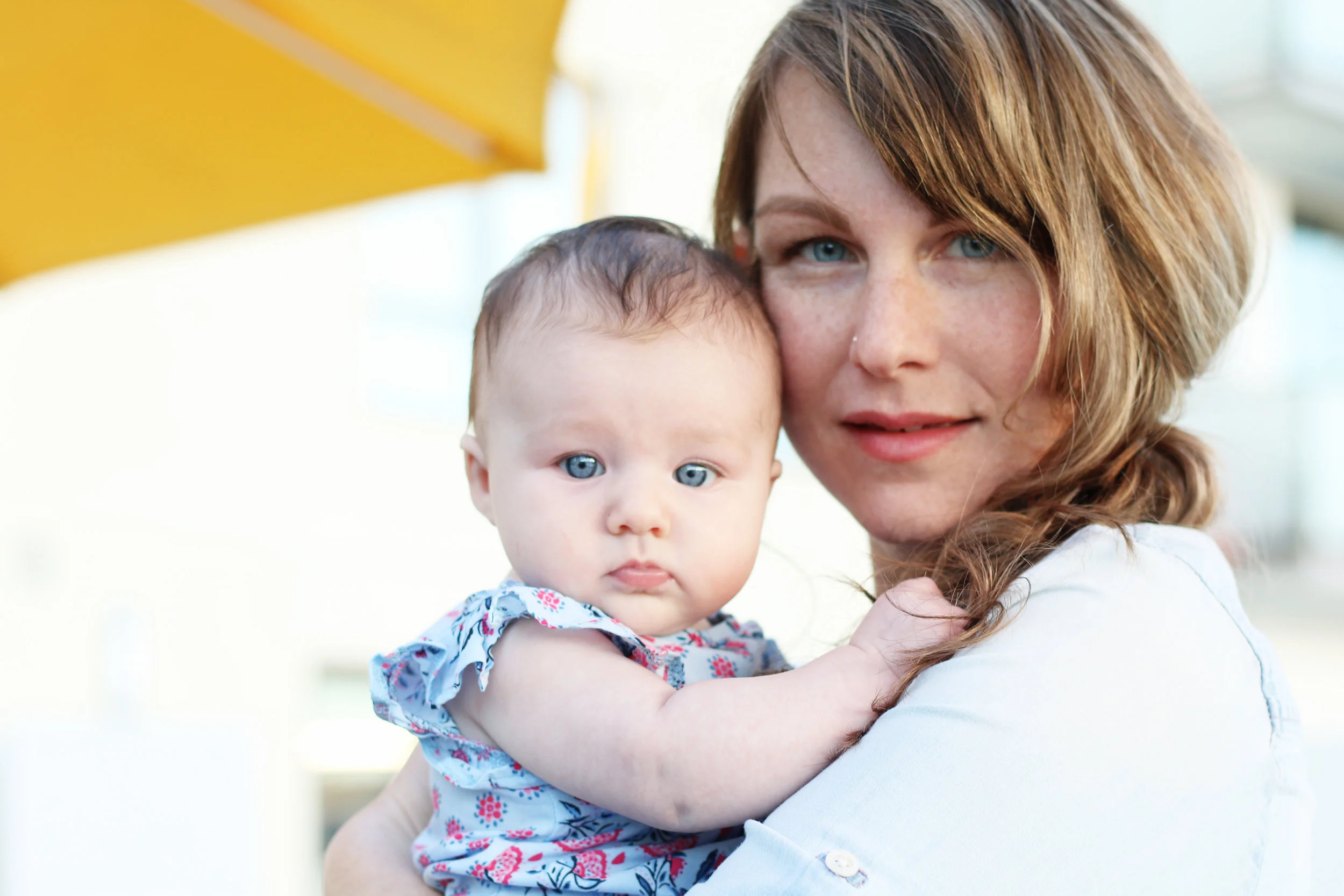
A few of my tried and trusted ethical baby clothing brands, including Made in USA, fair trade, organic, and non-toxic options.
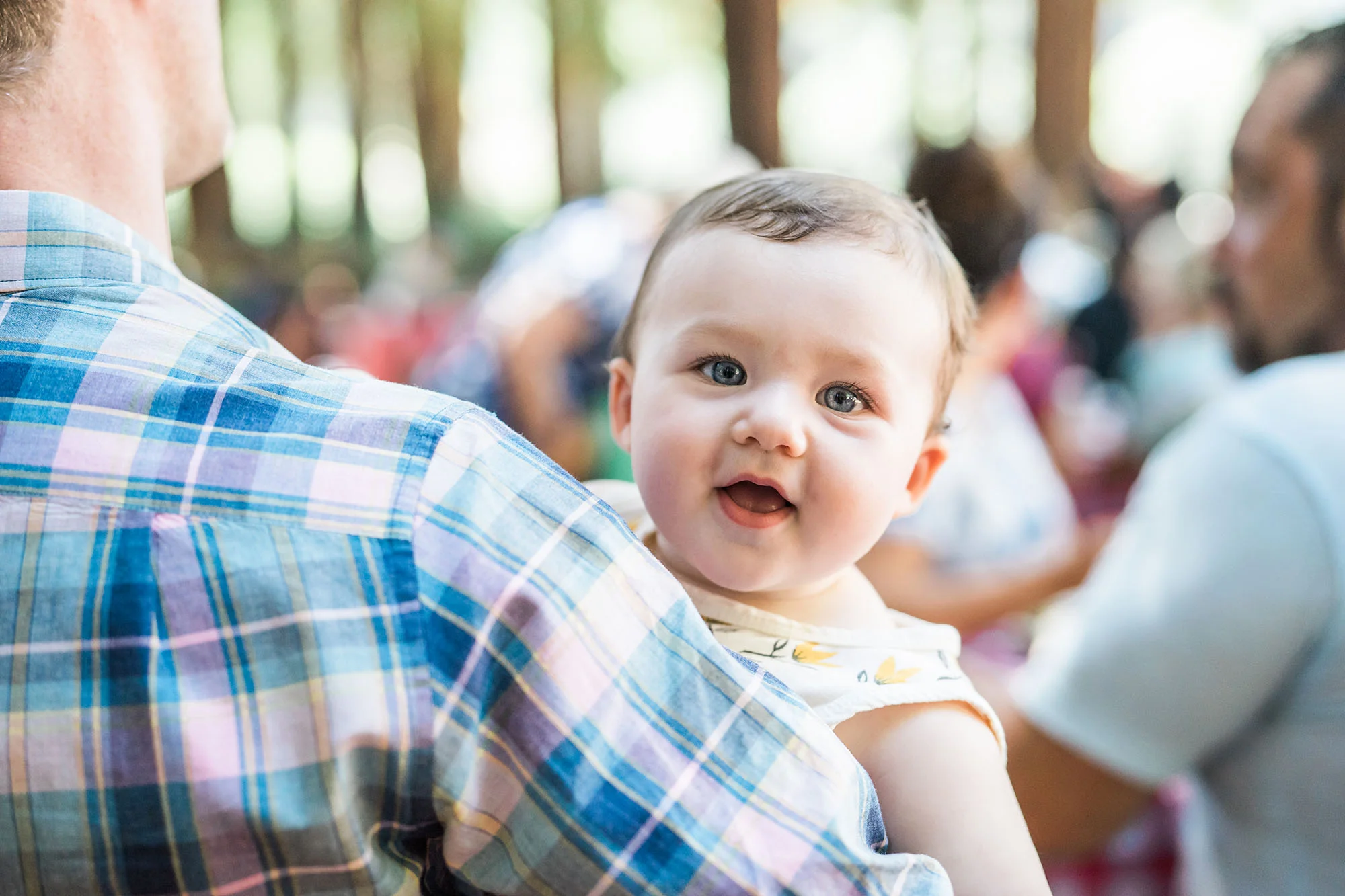
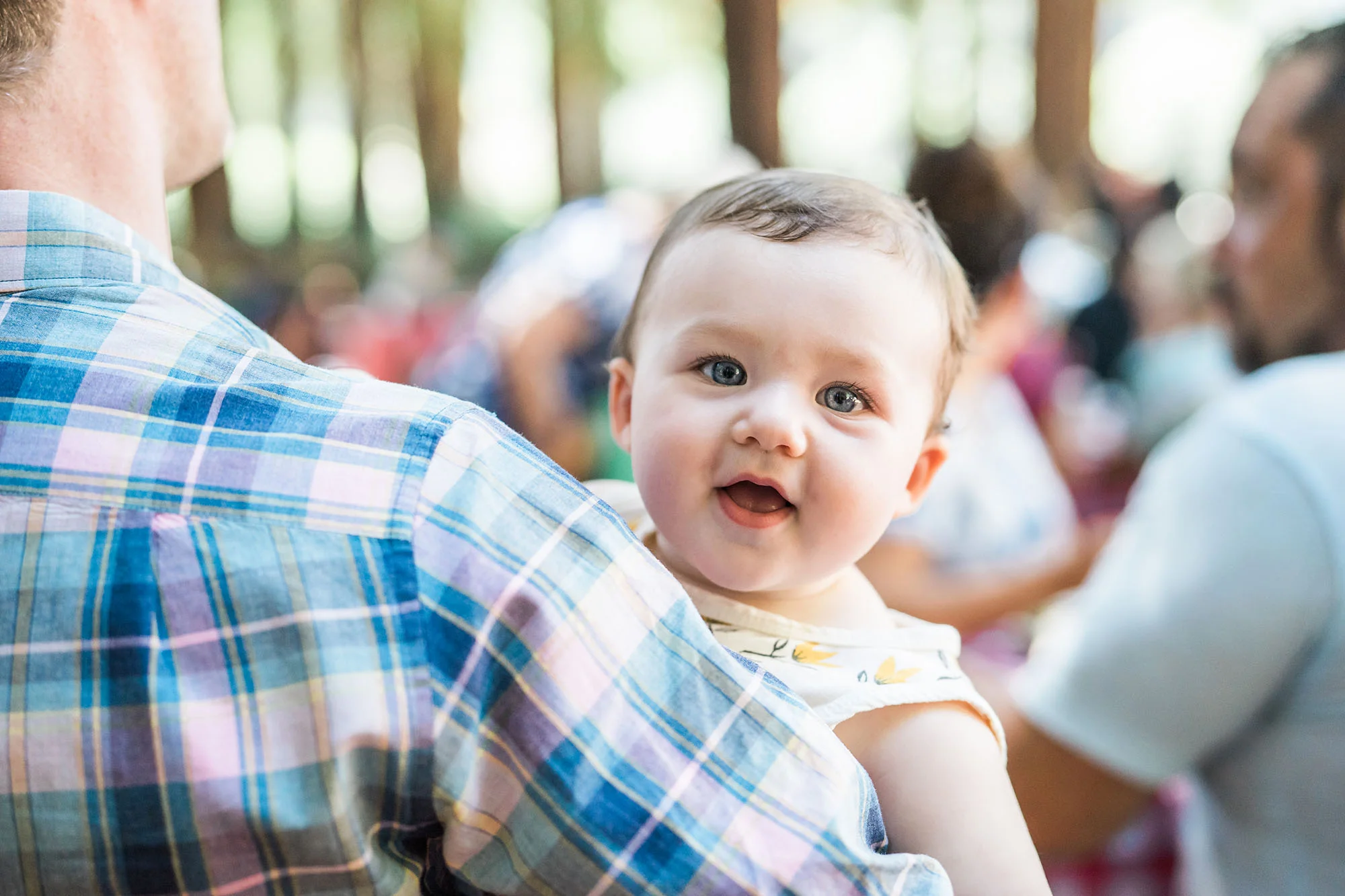
Avery is summering hard at Jon's company picnic, wearing a Rylee & Cru onesie (made in USA).
While incorporating Let's Be Fair's content into mine, I've been bookmarking all of the great ethical baby clothing brands that Dominique profiled over the years. Soon I'll be adding all of them to a new section of my ethical shopping guide, but in the meantime I thought I'd share a few I've grown to love. These are only brands that I've actually purchased from, so it's by no means an exhaustive list. But I can promise that I stand behind each and every one of them.
Under the Nile
We found Under the Nile while putting together our registry on Amazon, and received a sweet striped onesie that Avery wore as a newborn. Made from 100 percent organic Egyptian cotton, all of Under the Nile's baby clothing is insanely soft. Their cotton is grown on a biodynamic farm without the use of pesticides or insecticides, and their dyes are made with metal-free colors. To top it off, everything is made in Egypt at a certified fair trade facility.
Rylee & Cru
One of my dear friends gave Avery the floral onesie pictured above, introducing us to the wonderful brand that is Rylee & Cru. Their basics are all hand dyed, made in the USA, and of top-notch quality.
Go Gently BABY
Go Gently Nation makes clothing for women, men, kids, and babies using organic and sustainable fabrics, recycled tags, water-based inks, low impact dyes, and recycled fabric remnants – all manufactured in Los Angeles, Ca. We bought Avery a lightweight double gauze sundress that she lived in this summer. And even though she's outgrowing her clothes at a rapid pace (babies, who knew?), it's still billowy enough to be worn for many months.
Finn and Emma
Another Amazon find, Finn and Emma uses GOTS-certified organic cotton and eco-friendly dyes, and manufactures their products in fair trade settings. They also make adorable toys, including this play gym that Avery loved to bat at as a one-month old and now enjoys hurling across the room.
Colored Organics
At around six months Avery outgrew most of her gifted and handed-down clothing, and we had to restock. Fortunately Colored Organics offered organic and sweatshop-free basics at very reasonable prices. We snagged several onesies, leggings, and a stylin' ikat romper.
Loved Baby
L'oved Baby is another affordable baby brand that uses GOTS-certified organic cotton. That means that the people harvesting their cotton aren't exposed to harsh chemicals, are paid fair living wages, and enjoy freely chosen employment and a non-discriminatory workplace. Unfortunately I don't know if those principles extend to the sewing/ construction phase of L'oved Baby's production cycle, and it would be nice to see a little more transparency on their website. That said, I absolutely love their simple, soft, and colorful clothes.


Photo credit: Stephanie Pool Photography
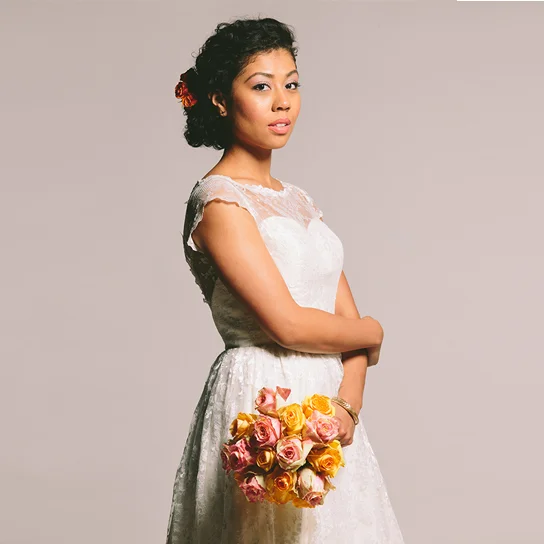
A Thoughtful Approach to Wedding Dress Shopping
Next month, Jon and I celebrate our 5th wedding anniversary (holy whaaaat?). Since we tied the knot and signed the ketubah back in 2012, I've watched several friends and relatives plan their own weddings. One of the most difficult and emotionally fraught decisions? That darn dress.

Next month, Jon and I celebrate our 5th wedding anniversary (holy whaaaat?). Since we tied the knot and signed the ketubah back in 2012, I've watched several friends and relatives plan their own weddings. One of the most difficult and emotionally fraught decisions? That darn dress.
Finding a dress that's flattering, affordable, and "you" is hard enough on its own. But if you're someone who's passionate about ethical fashion, you also take on the extra task of ensuring that your dress is sustainably-made and sweatshop-free.
Spoiler: mine wasn't. Or at least, I'm not sure it wasn't.
We put a lot of thought in to our wedding, and much of it was DIY (with lots of help from friends and family). But after hours of online and vintage shop sleuthing, I decided to buy a relatively inexpensive dress from a local bridal shop. Truthfully, I was so exhausted by that point that I just went with the first dress I liked. It felt good to have something checked off the list!
If I had it to do over, though, I would definitely put more thought in to my decision. Five years later, I'd also have a much wider variety of ethical options to choose from. Here are a few words of advice on finding an ethical wedding dress, whether you decide to go conventional, secondhand/ vintage, or sustainably-made.
Conventional Wedding Dress Shopping


There's definitely something to be said for the bridal shop experience. You're surrounded by beautiful dresses, you're usually with friends, you're offered champagne and fancy candy. It definitely puts you in the "I'm special and this is my special day" head space. It also means that you get to to try on a variety of dresses, and get an idea of what they'll look like once they're tailored to fit.
And although I wouldn't usually consider this a perk, conventional dresses are often made of extremely durable, stain-resistant fabric (probably full of chemicals, I know). Case in point: before the ceremony, someone spilled red wine on my dress. It was an tense moment, everyone looking around furtively to see who would lose it first: the bride, the mother of the bride, or the mortified wine-spiller. Fortunately no one did. The wine all but rolled off that industrial-strength, waterproof fabric, and nary a faint stain followed me to the ceremony. Wedding drama averted!
If you do decided to take the conventional route, here are some ways to remain thoughtful throughout the process:
- Choose a locally-owned, small bridal shop versus a larger chain. I went with Novella Bridal in San Francisco.
- Ask about the supply chain. Just because a dress isn't fair trade certified doesn't necessarily mean it was made in a sweatshop. Often bridal salons have close relationships with their suppliers and can give you a better idea of where the dress came from, the fabrics' country of origin, etc. They may not be able to provide you with answers to everything, but it's worth taking the time to ask. Alden Wicker provides some good starter questions in her guide to finding an eco wedding dress.
- Choose a style that you can wear again. With a few modifications, your wedding dress can usually be tweaked for another special occasion. Shorten it, dye it, add or detract sleeves... pin-spiration abounds.
Consignment or Vintage Wedding Dresses


My sister-in-law, Brye, threw the idea of a white wedding dress out the window with her thrifted, black and gold sequined affair. But even if you're looking for something more traditional, secondhand is a great place to start. Brye found her dress at Xtabay in Portland, which has a bridal salon and a regular vintage section to choose from. Here are a few more options:
Vintage:
- Mill Crest Vintage
- Blossom Vintage
- Adored Vintage
- Happy Isles (this vintage bridal salon is an in-person only experience, but probably worth the trip if you're in the Los Angeles area.)
Secondhand/ Consignment:
- Nearly Newlywed
- OnceWed
- Tradesy
- Still White (weird name, but still worth mentioning.)
- Brides for a Cause (consignment and mission-driven? Score!)
Sustainable, Fair Trade, Made in USA, or Otherwise Ethical Wedding Dresses

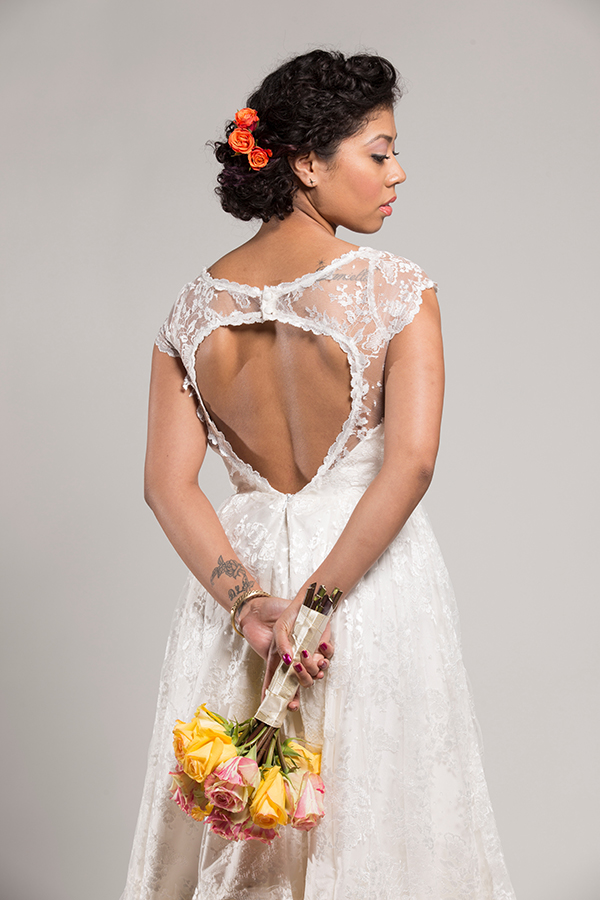
Let's Be Fair (now part of this blog!) did a beautiful wedding collaboration a couple of years ago with several ethical brands, including eco-friendly, Fair Trade certified dressmaker Celia Grace (pictured above). Celia Grace is part of an ever-growing tribe of conscientious wedding dress makers. Here are a few of my favorites:
- Celia Grace (Eco-friendly, fair trade)
- Stone Cold Fox (Made in USA)
- Reformation (Eco-friendly, made in USA)
- Aria (Made in USA)
- Minna (Fair trade, made in UK)
- Edith Elan (Made in USA)
- Deborah Lindquist (Eco-friendly, bespoke)
- Something Blue (Made in Canada using French, USA, and Italian fabrics)
- Indiebride (Eco-friendly, made in UK)
- Sanyukta Shrestha (Eco-friendly, fair trade)
- Pure Magnolia (Eco-friendly, upcycled)
Any brands or resources I missed? Let me know!
Eva Franco Does Gingham Right
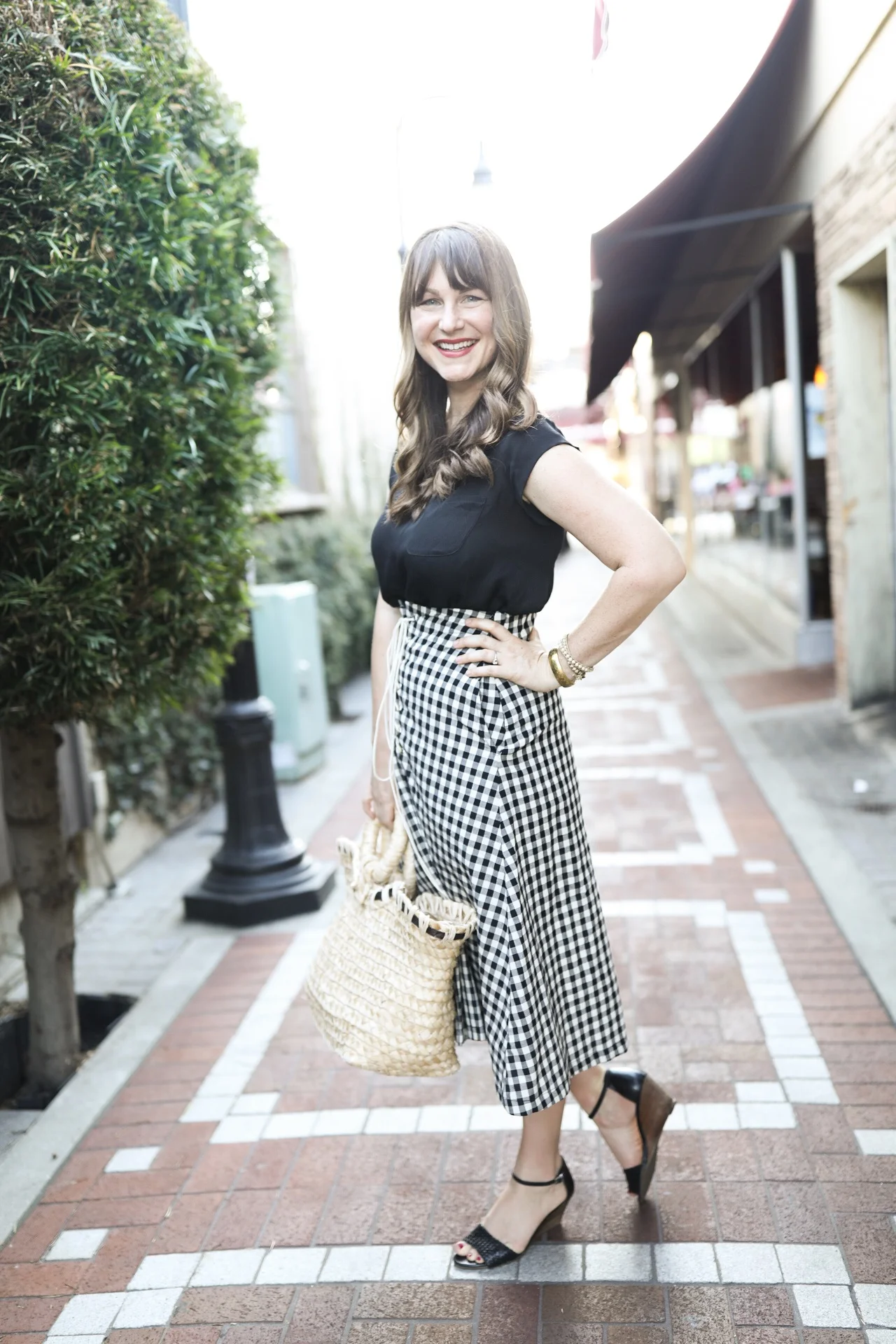
Ubiquitous as the fiddle-leaf fig, the black gingham skirt is the stuff Pinterest dreams are made of. I've seen minis and maxis, tie-waists and ruffles, paired with a crisp button-up or faded rocker tee. But I wasn't about to hop on the bandwagon until I found an ethical alternative.


Head's up: this post is not sponsored, but it does contain affiliate links.
Ubiquitous as the fiddle-leaf fig, the black gingham skirt is the stuff Pinterest dreams are made of. I've seen minis and maxis, tie-waists and ruffles, paired with a crisp button-up or faded rocker tee. But I wasn't about to hop on the bandwagon until I found an ethical alternative.
This lace-up midi version comes from Eva Franco, whose gorgeous designs are all made in Los Angeles. Eva Franco is actually one of the first USA-made brands I ever discovered — way back in 2011 when such things were much harder to come by. Franco is a Hungarian-Romanian immigrant, which could be why her designs speak to me and my mouthful of a maiden name (Palhegyi, which means "man of the mountain," is Hungarian). It could also just be that I'm a sucker for a high, lace-up waist.
I've paired it here with a thrifted Joie silk blouse, my trusty black wedges, a woven Indego Africa bag, and a Hands Producing Hope bracelet.
Shop the look here (ethically, of course):


Photos by Cue The Light

Sewing Inspiration: Master of None, Season 2

By the time Jon and I get home from work, make dinner, and entertain Avery for a few hours before putting her to bed, all we want to do is plant ourselves in front of a screen... any screen. We got through the second season of Master of None in record time, and all the while I was drooling over the gorgeous costume design by Dana Covarrubias. Racked recently did a great interview with Covarrubias, in which she describes her inspiration for outfitting Dev's Italian love interest, Francesca:
"I think that for anyone who’s ever been to Italy, the first thing you notice is how amazing all the Italian women dress — it’s sexy, it’s simple, and they’re just so fashionable all the time. It’s not even necessarily designer stuff — it’s the way they wear it and their attitude."
Now, I always find it a little annoying when people make blanket statements about an entire culture. I mean, there are stylish and schlubby people everywhere, right? But based on the films I've seen and the stories I've heard, I’m willing to believe that Italians may have a higher style-to-schlub ratio than us vulgar Americans.
At any rate, Francesca's wardrobe inspired me to make sewing plans that I in no way have time to manifest. Instead, I'll just share them with you, while I fantasize about more sleep, more time, and more pasta.
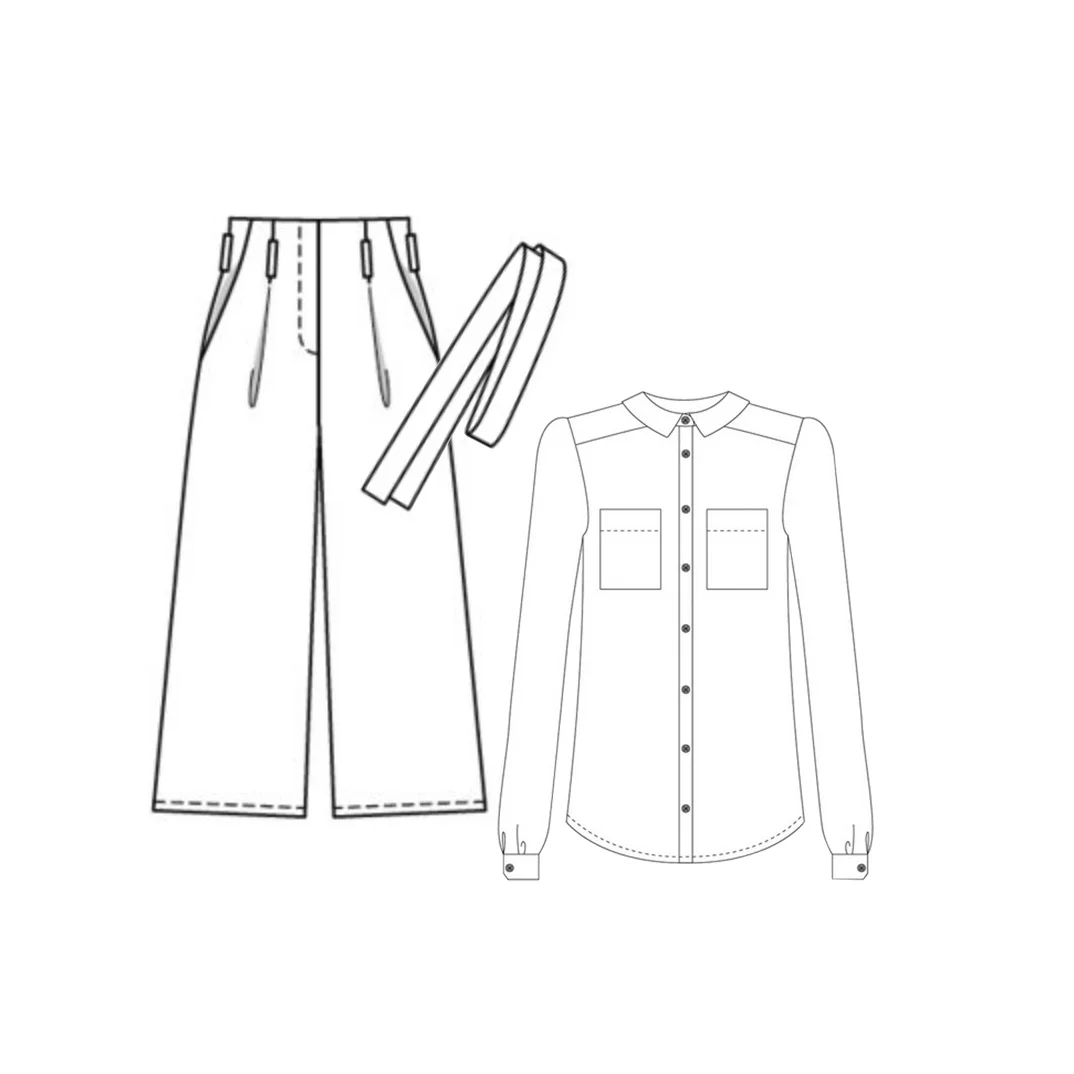
To make Francesca's museum outfit...

Try:
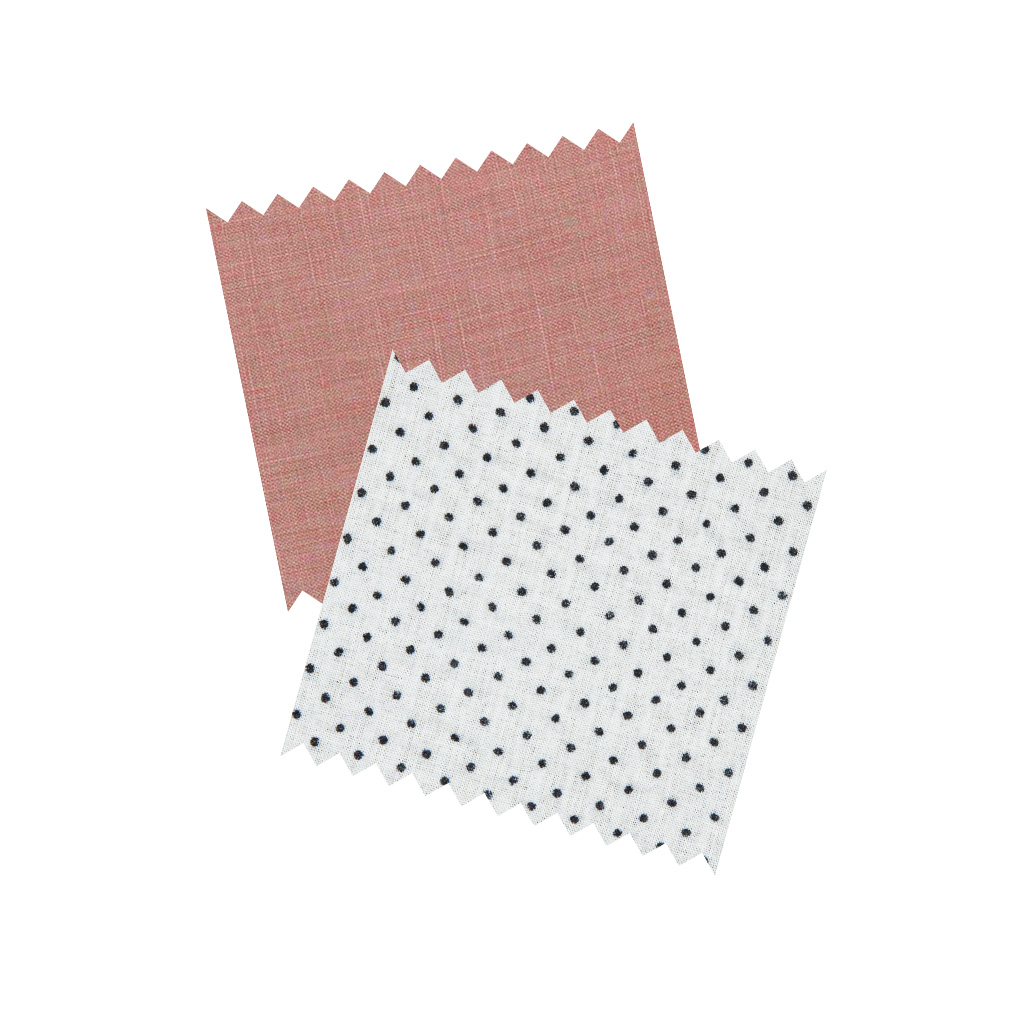
To make Francesca's polka-dotted dress...

Try:
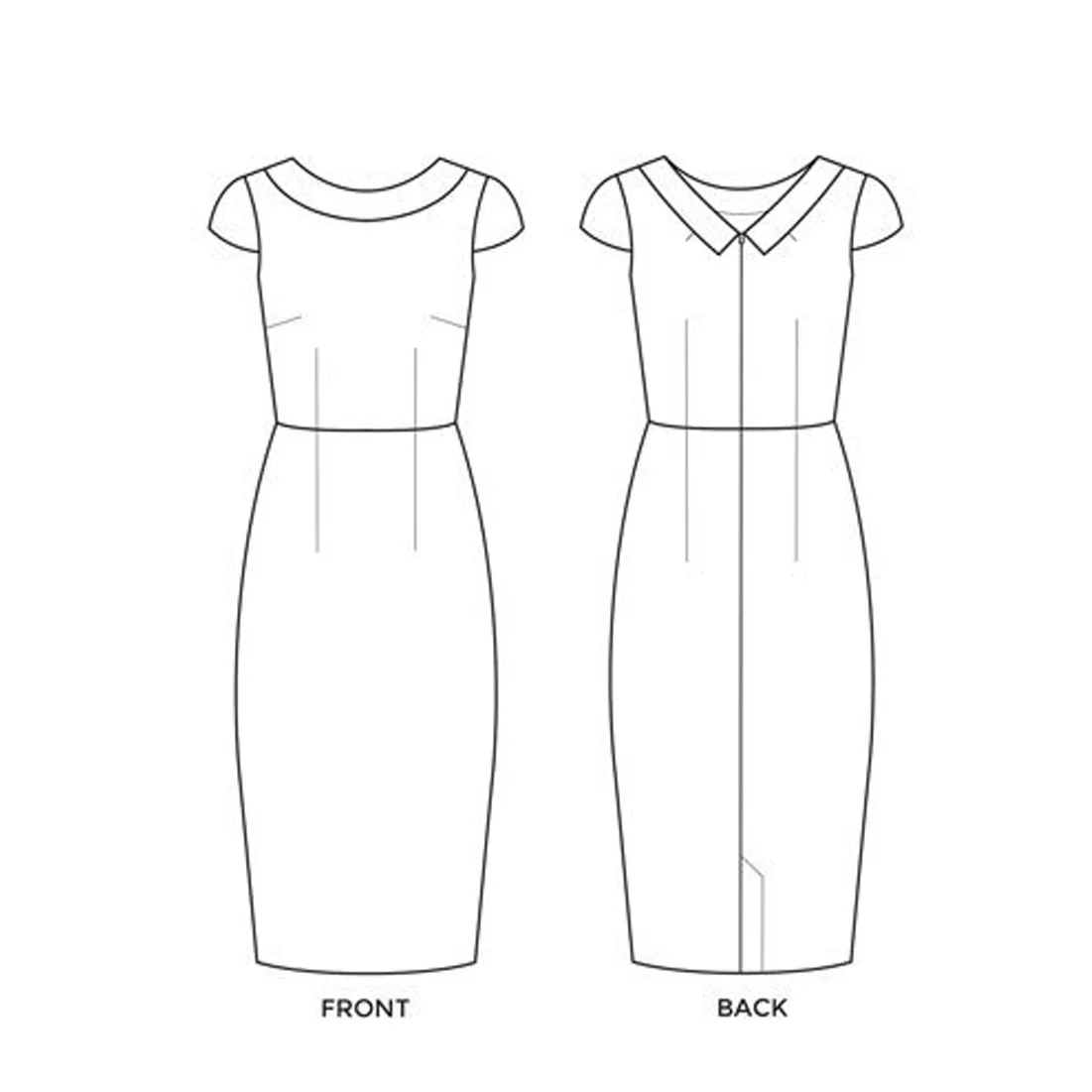
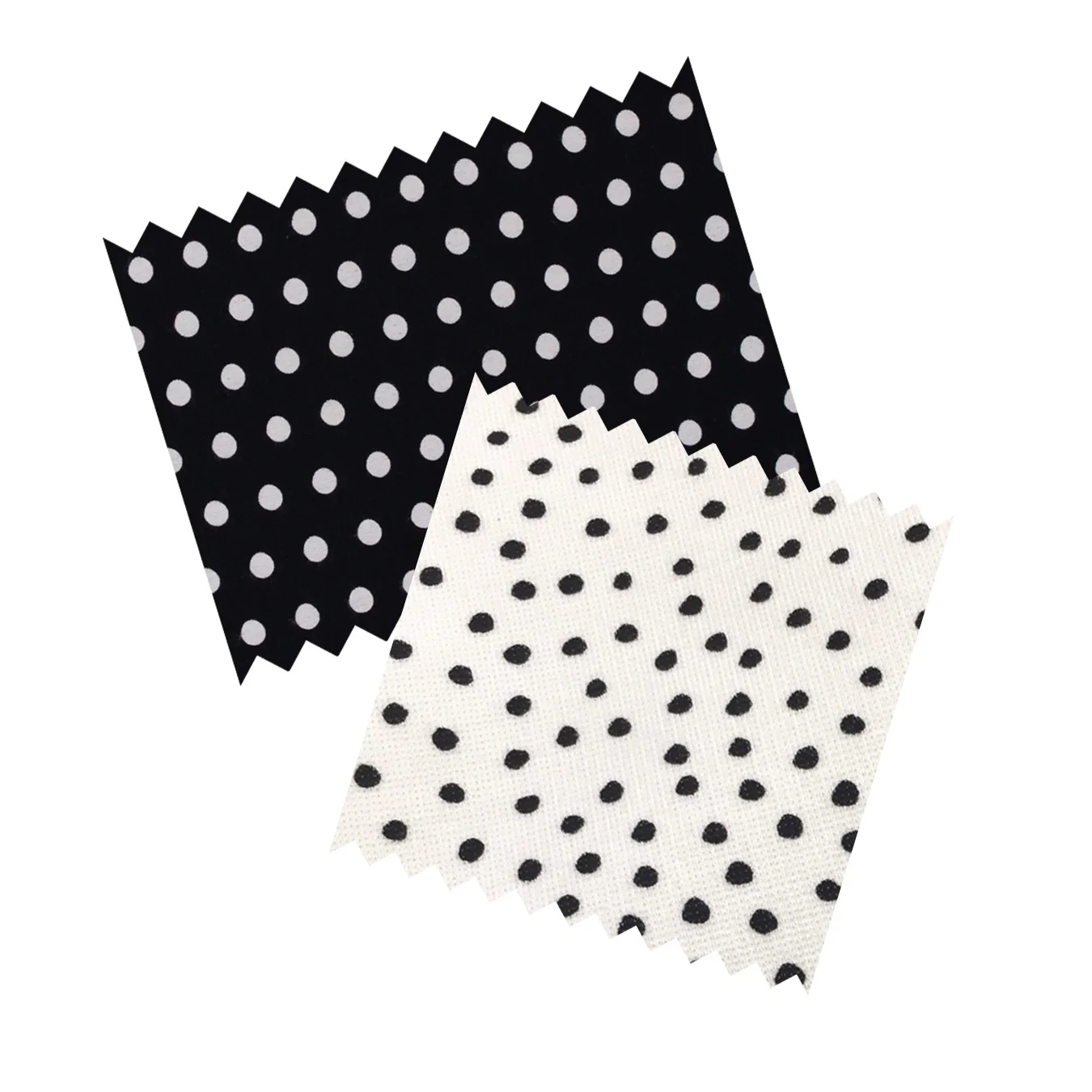
...with this polka-dotted cotton weave from Mood Fabrics or this ponte knit from METERMETER (made in Italy)
To make Francesca's oversized coat, try...
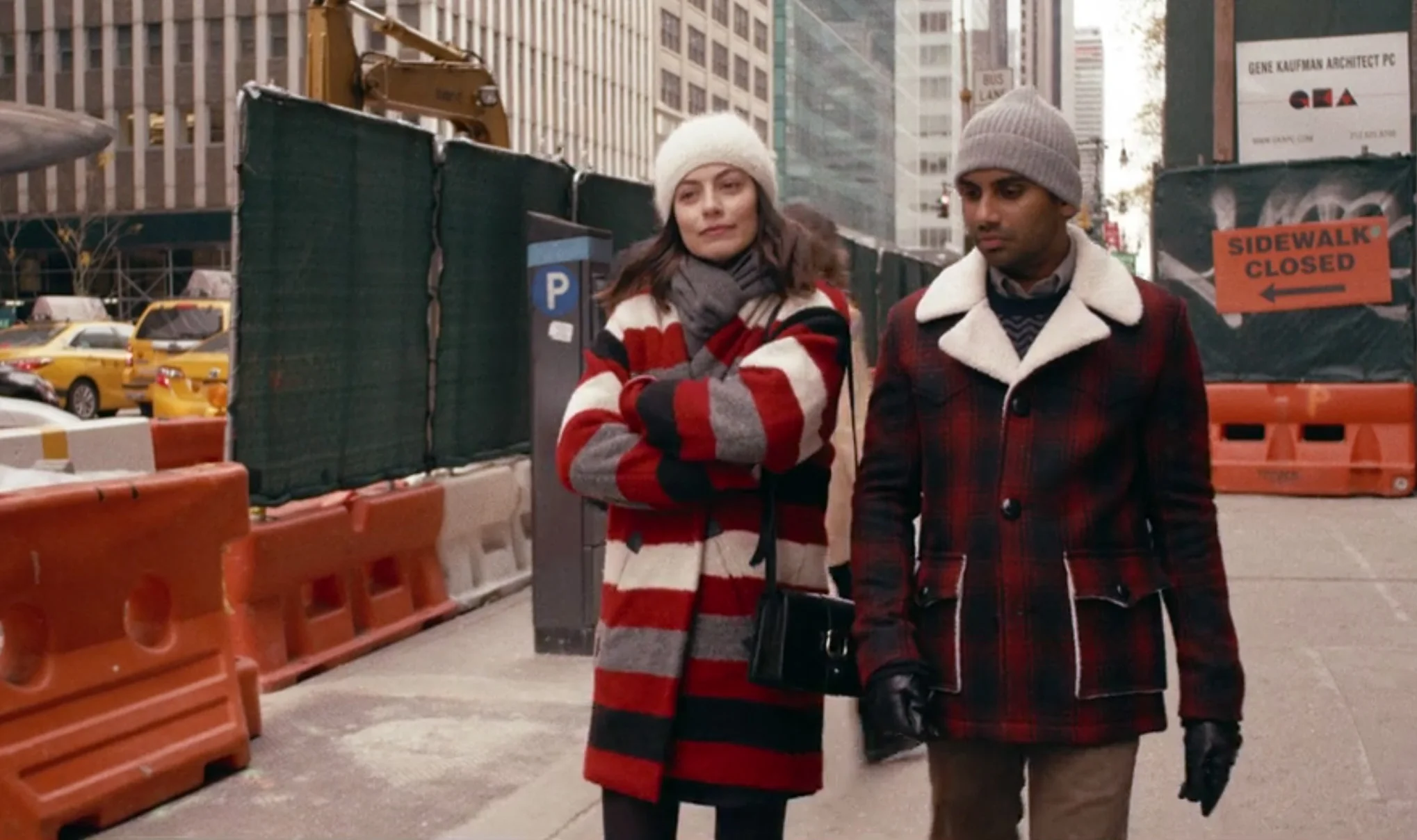
Try:
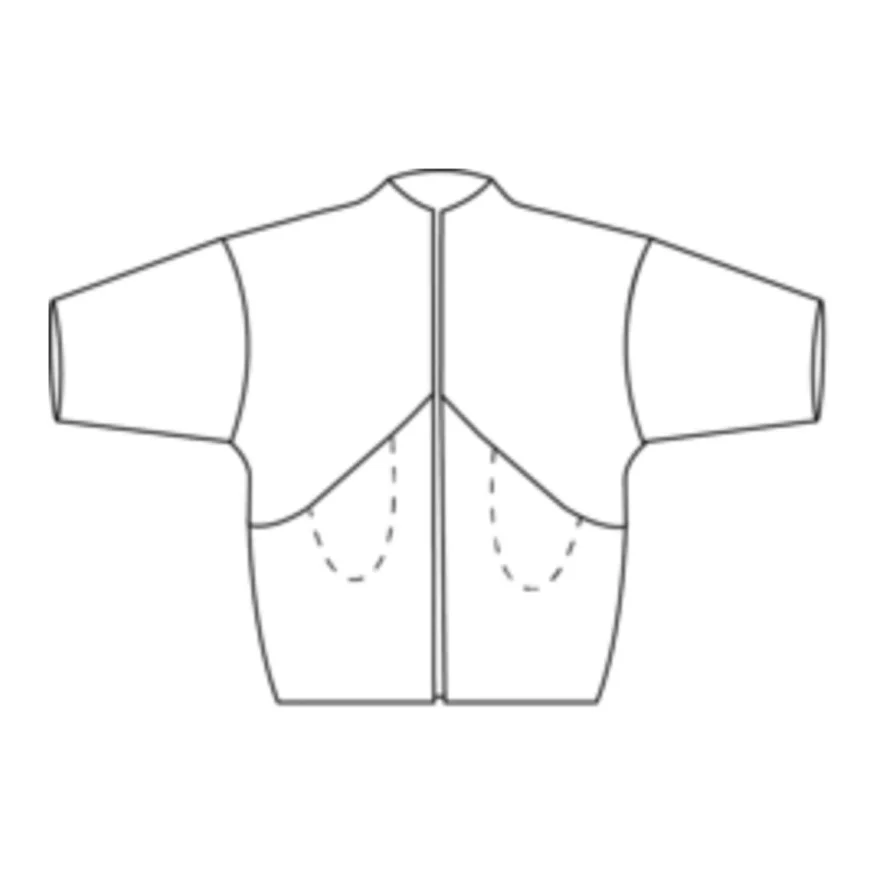
Papercut Patterns' Sapporo Coat pattern
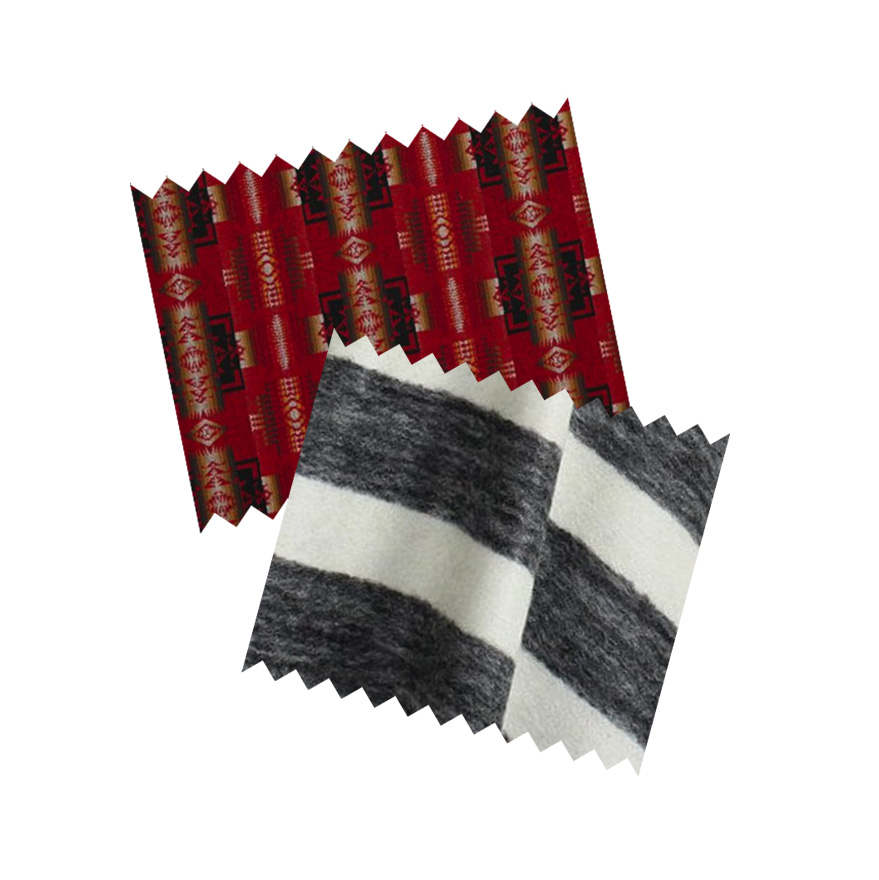
...with this Chief Joesph wool from Pendelton (made in USA), or this wool striped coating from The Fabric Store
To make Francesca's De Sica-inspired outfit...
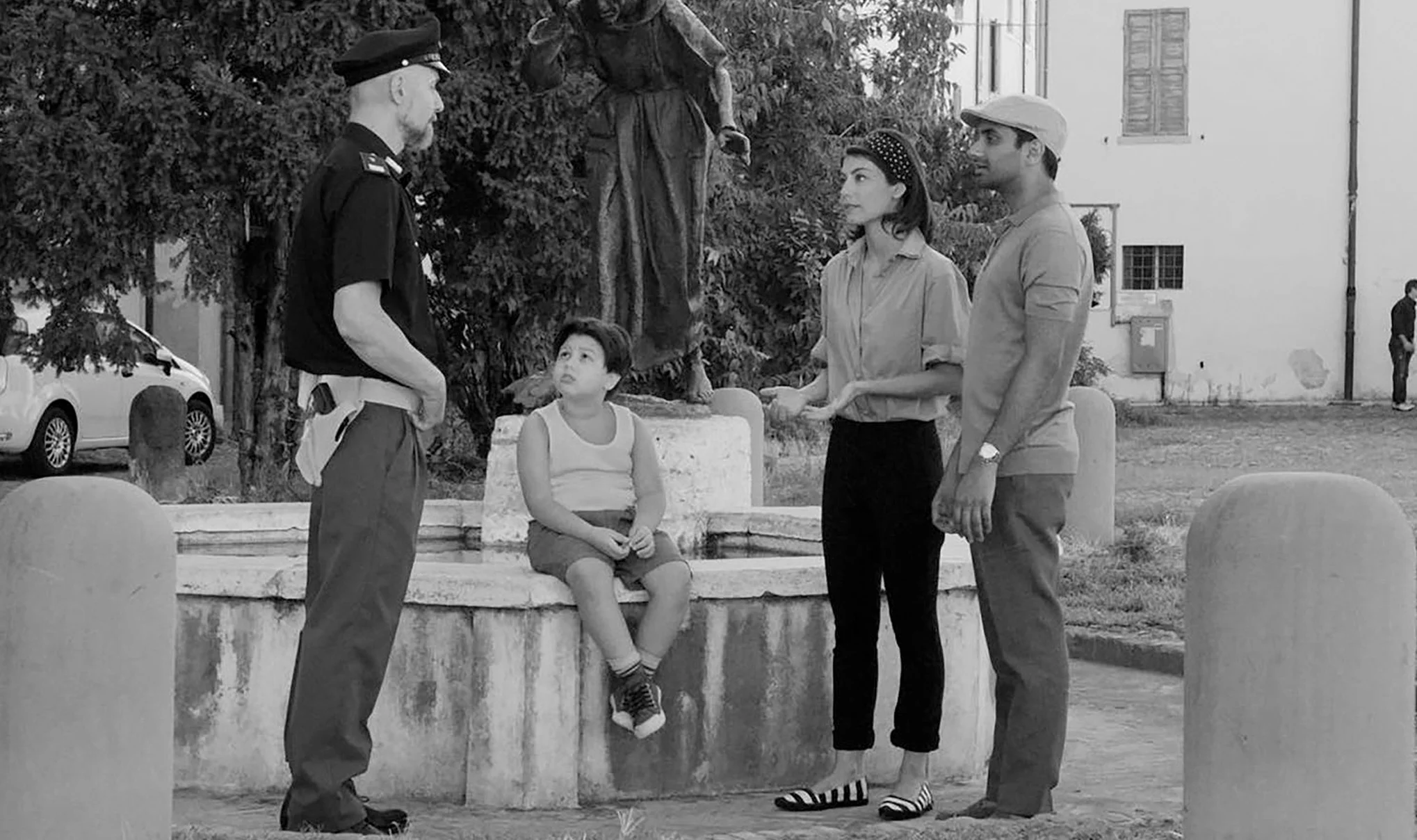
Try:
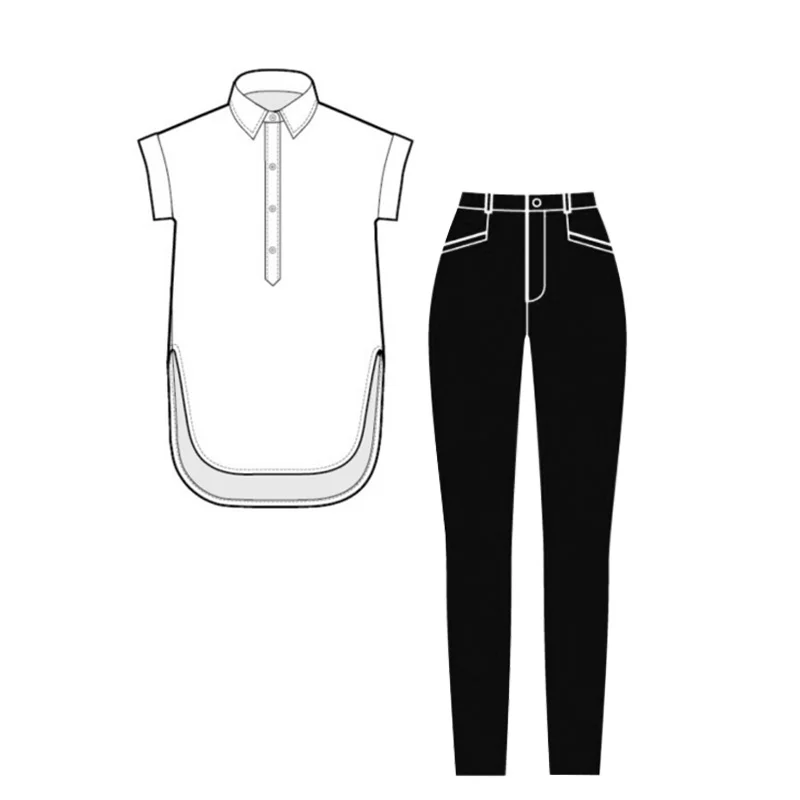
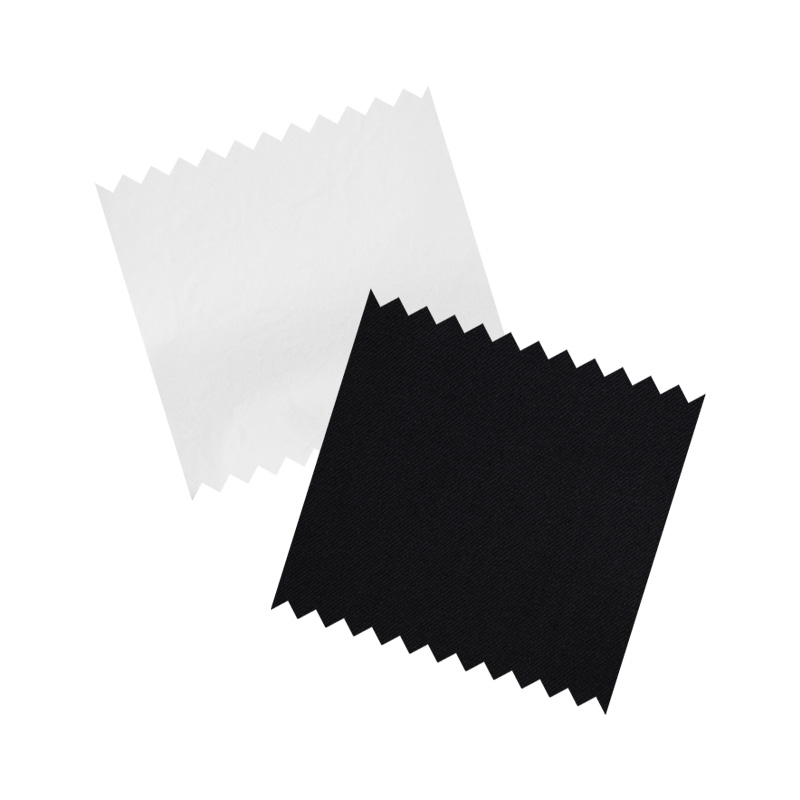
...with this crinkled cotton weave and Italian stretch denim from Mood.
To make Francesca's camel coat...
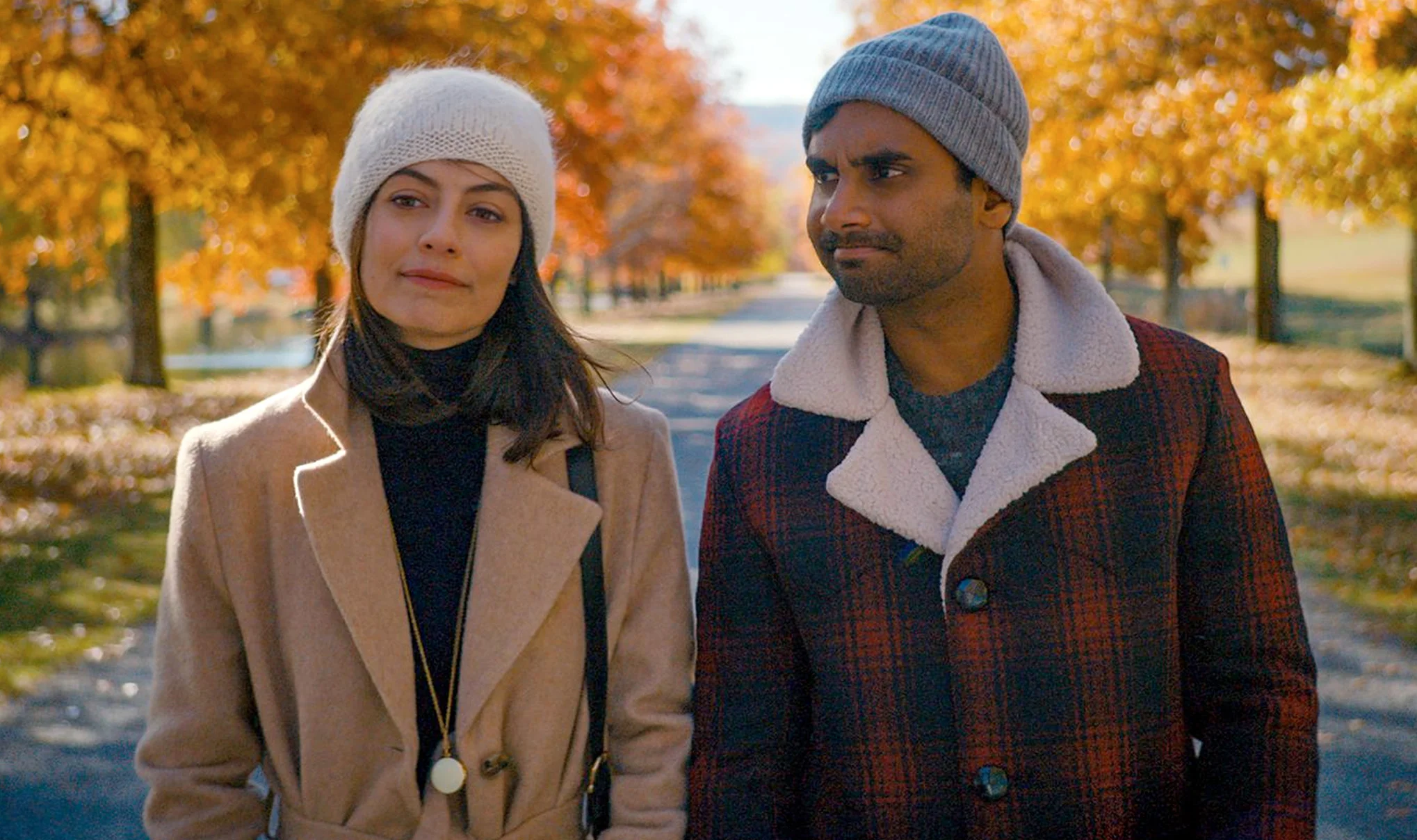
Try:
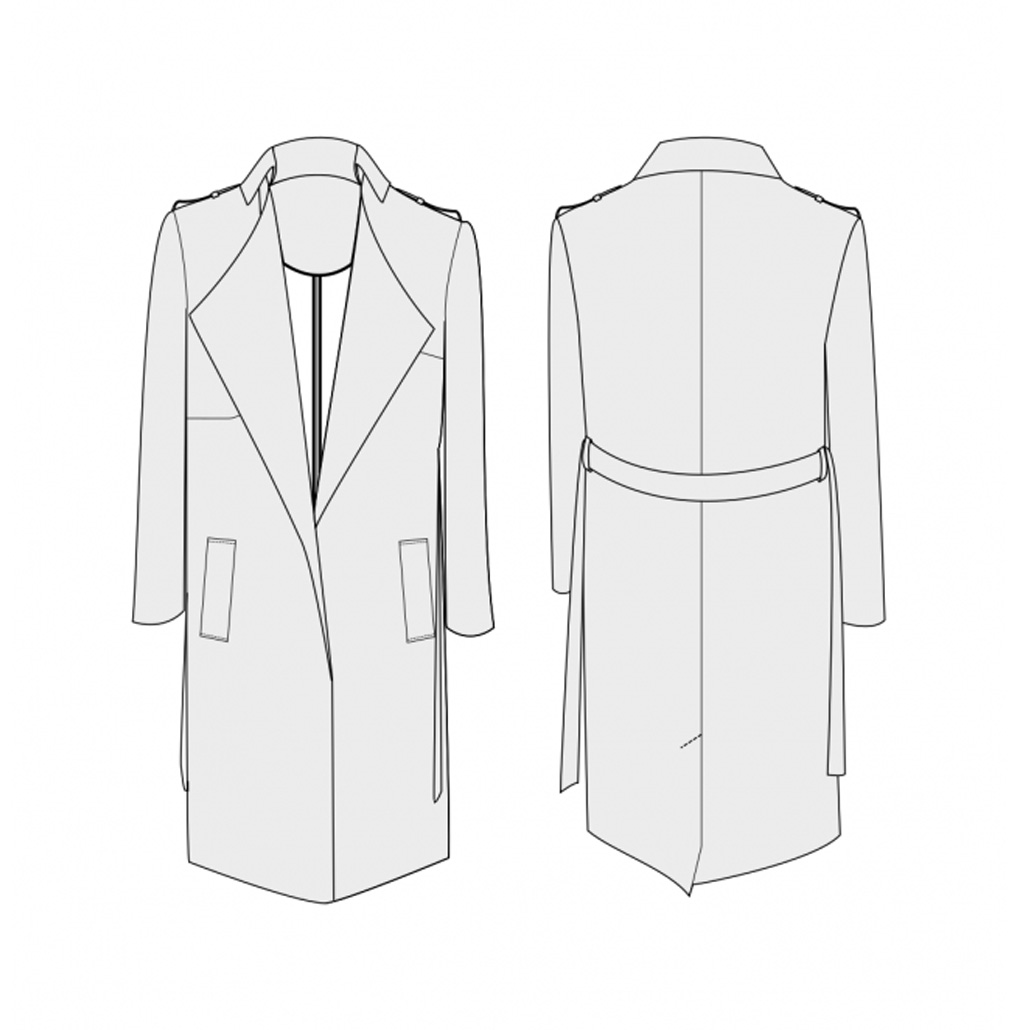
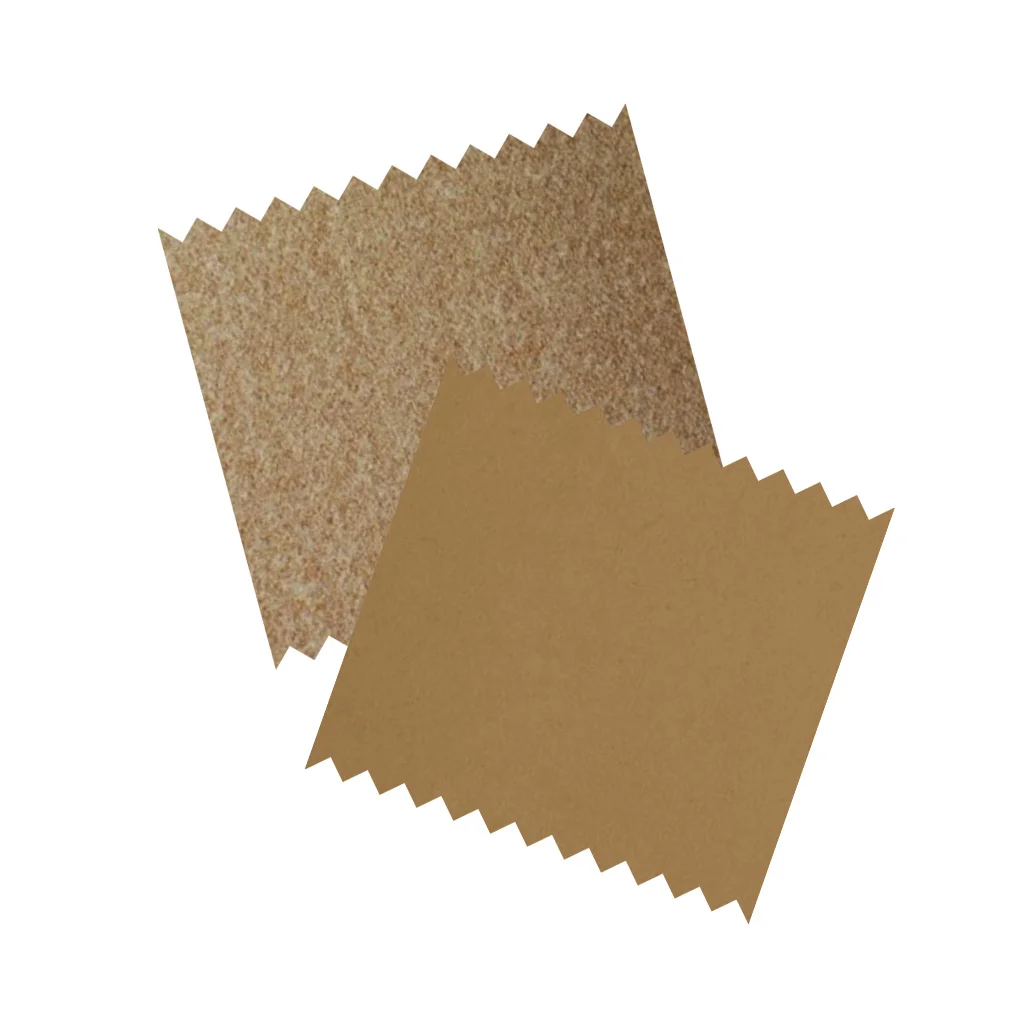
...with this camel stretch wool coating from Britex or this Eco-wise wool from Pendleton (made in USA)
Hands Producing Hope’s Jewelry Elevates My Mom-iform
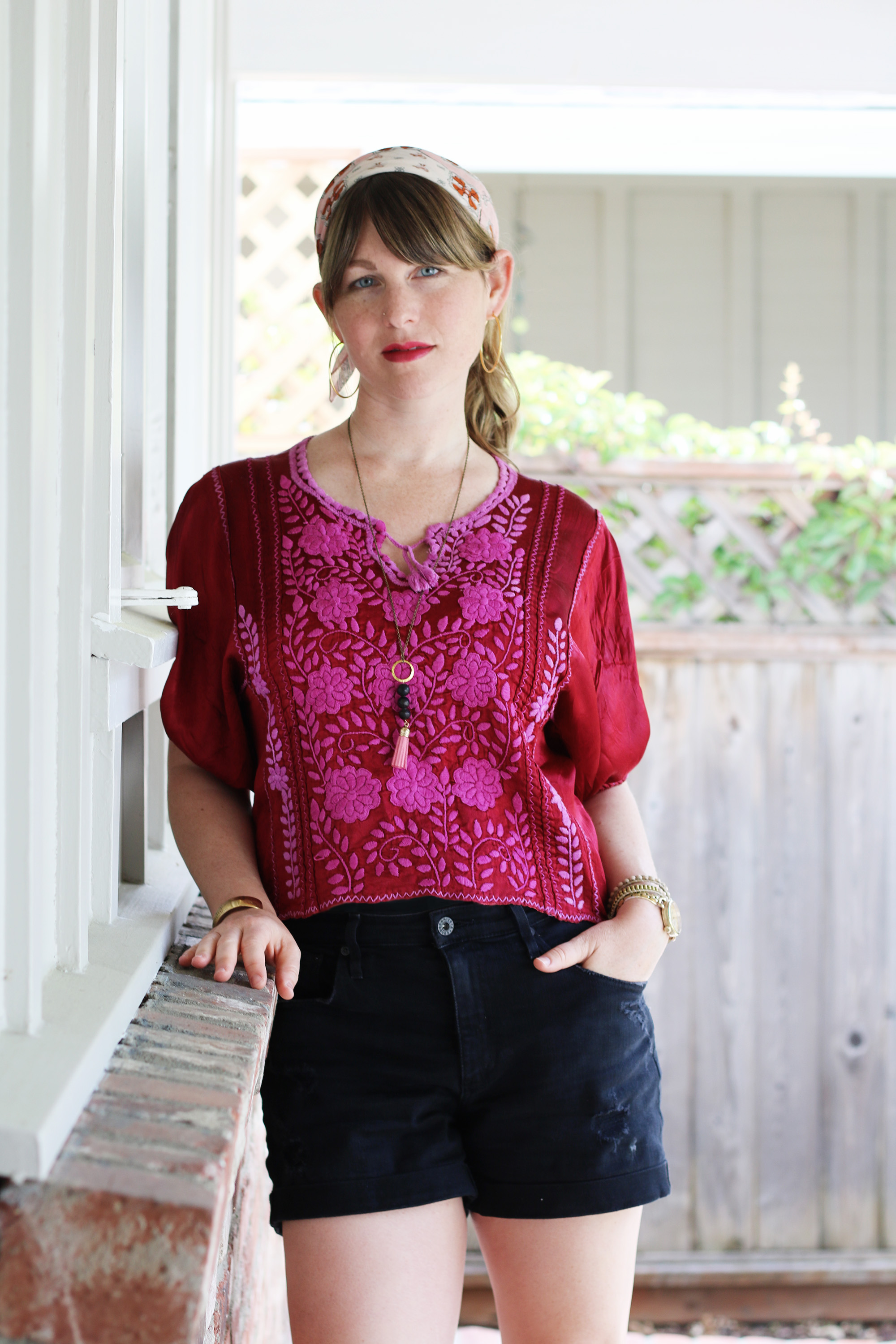
A couple of years ago, I saw an up-and-coming ethical jewelry line pop up on some of my favorite blogs (like Hannah's and Leah’s, to name a few). I admired their mission and beautiful jewelry, but they promptly fell off my radar. So I was delighted when Hands Producing Hope reached out to me to review a few of their products! Naturally, I seized the opportunity to take a couple of their pieces for a spin.
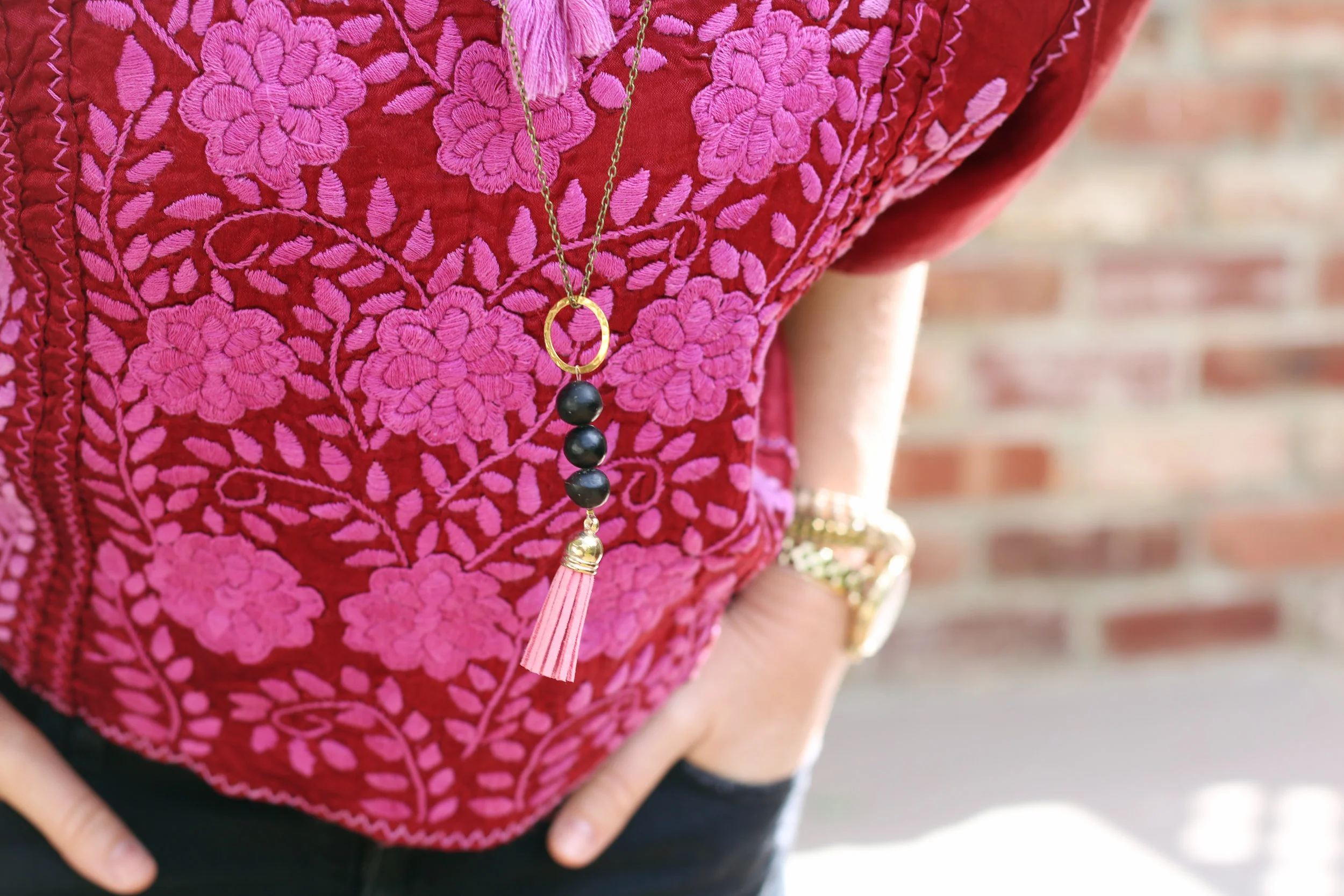
The Felicia necklace is composed of three jaboncillo seeds surrounded by a hammered brass ring and pink suede tassel. The Lena double wrap bracelet is made of handcrafted paper and glass beads woven into a leather cord. Both pieces are delicate, feminine, and a little earthy, and help dress up this otherwise simple ensemble.

About the brand
Hands Producing Hope's mission is to "provide the economic, educational, and spiritual resources necessary to empower remote communities to rise above poverty." With a presence in Rwanda and Costa Rica, the company is working to help grow these communities through meaningful work opportunities. You can read more of their story here.
About the outfit
I just returned to work full-time after maternity leave, so pencil skirts and cardigans are slowly making their way back into rotation. But for the past five months, I’ve basically been wearing some variation of the same mom-iform: Birkenstocks, denim shorts, loose blouse, and a headscarf. I’ve found that outfit formulas like this are crucial when getting dressed in a hurry, and can easily be elevated with a few key accessories.
The blouse I've had forever and a day (I found it at a vintage shop in Berkeley in college), and the shorts are Adriano Goldschmied (made in the USA). I'm also wearing my trusty Shinola watch (made in USA) and a handkerchief from Madewell.
...And about that baby
Avery is not wearing any jewelry (she is wearing a sweet little organic sundress by Go Gently Nation), but I figured I should picture her since she's a fairly consistent accessory these days :)
Little Boo is rolling over, babbling, and getting ready to crawl. Oh yeah, and she loves to party, all night, every night (someday we'll sleep again, right?).
*I received this jewelry as a gift from Hands Producing Hope. I was not paid to write this post and all opinions are of course my own.


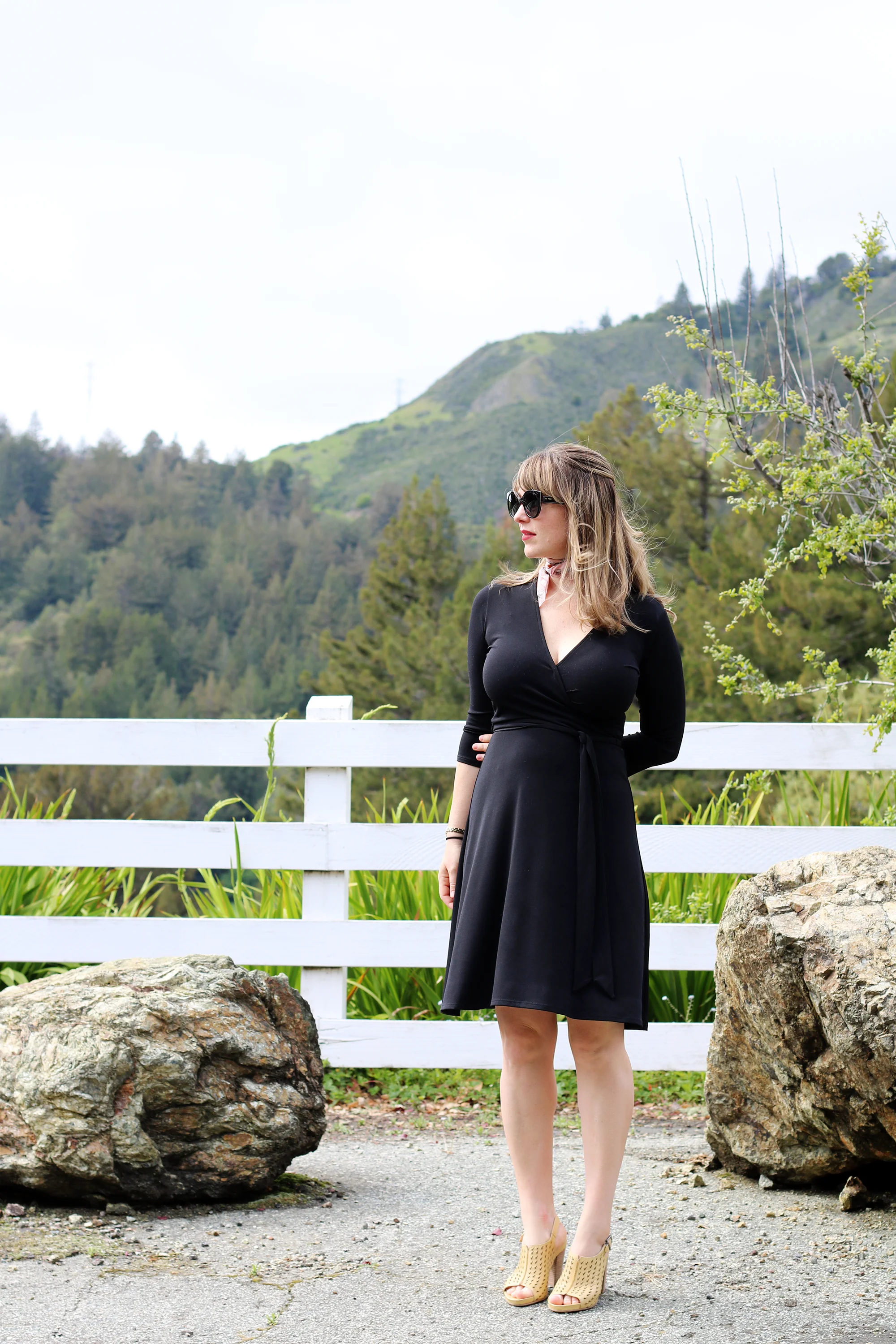
Road Trippin' in Leota


And by road trip, I mean we followed the 84 West until we hit the end. Turns out there's a beach there, and lots of green in between. I do love those California highways.
The dress comes courtesy of Leota, a line of women's dresses made in NYC with a commitment to fair working conditions and long-lasting partnerships with its seamstresses. You can learn more about Leota's transparency model, and even get a glimpse into their Brooklyn factories, here.
I mentioned Leota before in a roundup of ethical maternity clothes, but their regular line is killer too. This black wrap mini dress has served me well postpartum. It's forgiving and nursing-friendly while maintaining a flattering silhouette, and I've been wearing the heck out of it lately. Even when it makes no sense to do so (like on a weekend road trip).


*I received this dress as a gift from Leota. I was not paid to write this post and all opinions are of course my own.
Outfit Details: Perfect Wrap Mini Dress in Black Crepe, c/o Leota (made in USA) / Leather sandals by Fidji (made in Portugal)/ Birdie Watch by Shinola (made in Detroit, USA) / Sunglasses by TOMS