
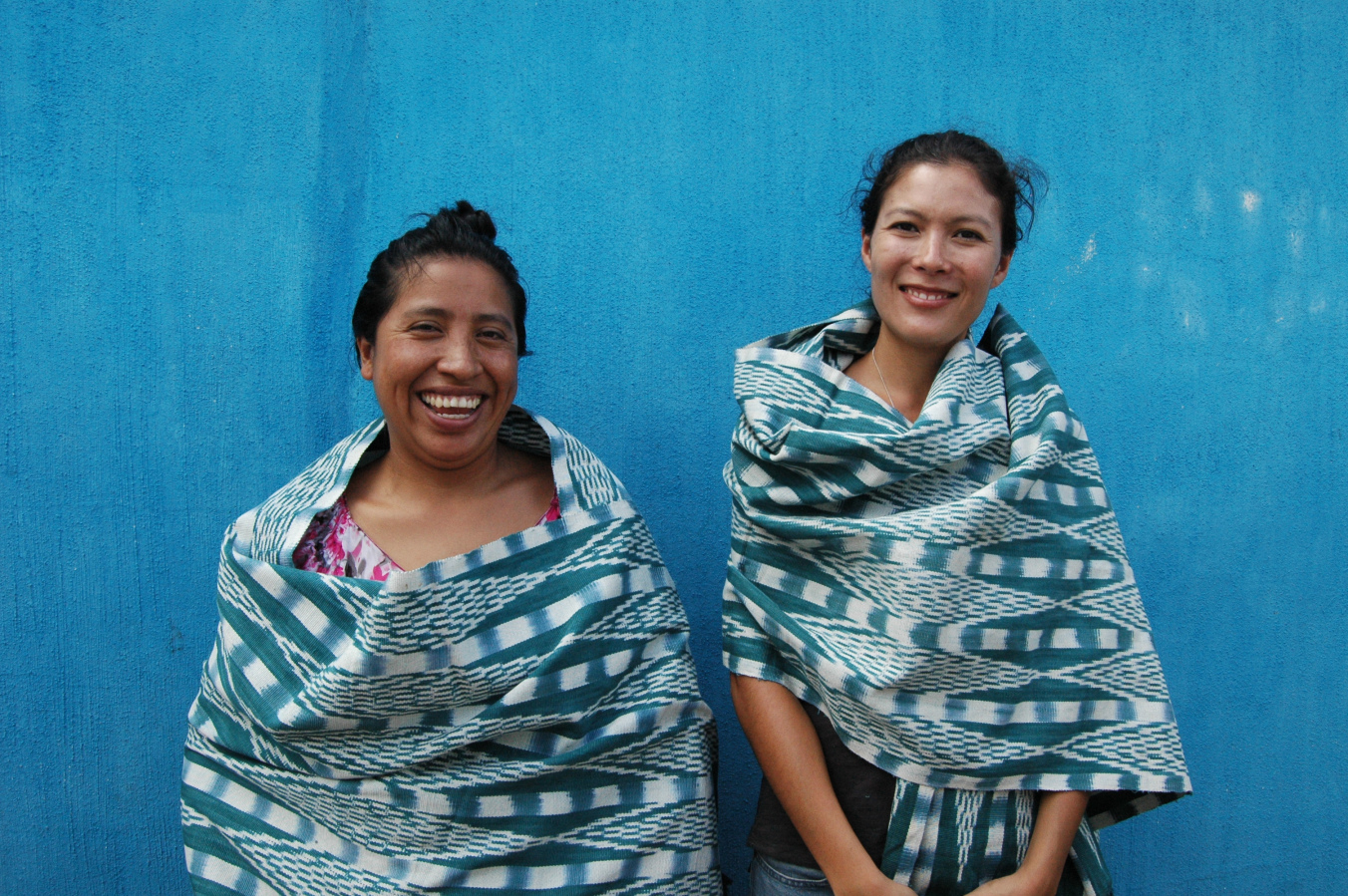
Travel Opportunity for Makers: A Creative Textile Exchange in Guatemala

I'm super excited to share this travel opportunity, hosted by Mari of Kakaw Designs, with you. Read on for the details.
Come together to share, learn, and create
Are you a crafty person who likes to make things and who cherishes handmade traditions? I am, too! But I bet our experiences and ideas are different.
That’s the basis of our upcoming Textile Travel for Makers, launching in August 2018. While working with textile artisan communities in Guatemala through my business Kakaw Designs, I’ve come to realize how interested our partner artisans are in learning about different techniques, patterns, designs, and concepts. And ultimately, wouldn’t it be ideal if these talented artisans could themselves take a more active role in the design process, without depending on designers from outside of their communities?
This is the part that I love most about working with artisans: getting excited together about new creations, and trying out new ideas. But I’m just one person, and I only have a small limited number of ideas. That’s why I’d like to invite other creative Makers out there to join us on this new journey of idea exchange in Guatemala.
We’re so excited to share our crafts together – our partner artisans are experts in natural dyes, backstrap weaving, embroidery, making ikat designs, and more. But it’s no surprise that it can be challenging to think outside of the box in the rural context, especially for tactile and visual traditions like in textiles. So, we thought – why not come together and share our ideas in beautiful Guatemala, and have fun while at it?
Our artisan partners are happy to share their traditional craft techniques, and they’re also looking forward to hearing about different experiences and ideas, especially with textiles. We’ll be hosting workshops to facilitate creative idea exchange in a safe space for all of us to come together and take part in a true and real kind of cultural exchange that we can all relate to as Makers.


Who can participate?
Anyone crafty and creative is encouraged to come. Obviously weavers, embroiderers, and seamstresses have a lot to directly contribute to rural artisans, but also I think it's really interesting to hear from people with experience in other techniques that are not prevalent in Guatemala, such as quilting, knitting, block printing, shibori, sashiko, or leaf printing. Skills such as color theory, presentation of products, and simple photography could also all be very helpful, so please feel free to reach out, whether you're an active "maker" or not. I think we all have something to contribute and can learn from each other.
How much will it cost, can what can you expect?
I’ll be leading the small group through Guatemala, together with my mother, Aiko Kobayashi, who has been a textile tour guide for over two decades. We’re excited to add this creative twist, further enhancing both the visitors’ and the artisans’ experiences and making sure that local communities benefit in a meaningful way. We’re currently taking sign-ups for the trip, with two available itineraries starting at only $1800. For more details, please go to our website and/or email me.
Isn’t it great when an idea is just all-around good, benefitting everyone involved? That’s how we feel about this new branch of Kakaw Designs. Supporting our partner artisans even more while at the same time enhancing participants’ travel experiences in an ethical and sustainable way through exchanges based on common interests as Makers of the world. We’re so excited to get our creative juices flowing, together.
Mari Gray
mari@kakawdesigns.com
kakawdesigns.com

A British-Made Duffle in a Goldrush Town

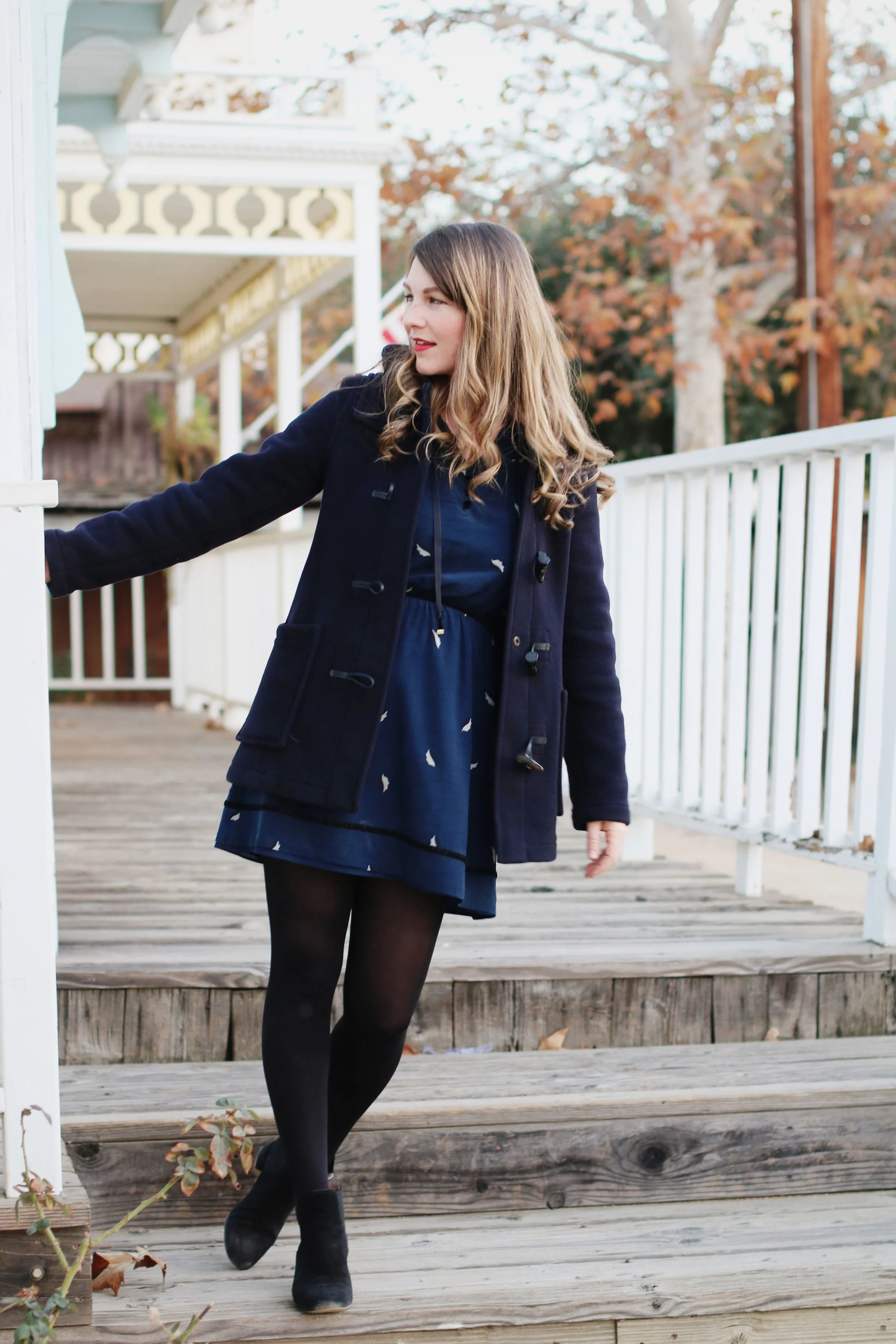
I bought this Gloverall duffle coat almost two years ago, just before I got pregnant with Avery. I'd actually planned to send it back – partly because I didn't think it fit me right and partly because I felt guilty about spending so much on it. Instead I let it sit in the back of our car, return label affixed, for the duration of an entire pregnancy + baby year before finally resurrecting it this winter.
And as it turns out, I absolutely love this jacket. Whatever fit issues I thought it had back in 2016 I no longer notice, and it's a little late to worry about the price tag – that money's long spent.
I love the slim cut, the buffalo horn toggles, the rich navy hue, and the cozy deep pockets. But most of all, I love the weight. It's not your typical stiff pea coat wool, but rather a breathable, medium weight 80/20 wool-poly blend that feels a lot like performance fleece. I know that polyamide fabrics aren't the most sustainable, but in this case I'm willing to compromise for the sake of wearability (in temperate California, a truly heavy wool coat will make your swelter).
The Gloverall brand also has a cool history. It was founded in 1951 when Harold & Freda Morris were approached the by Britain's Ministry of defense to help make good use of their surplus World War II Naval ‘Monty’ duffle coats. Once the public got a taste of these stylish and functional coats they went nuts, and Gloverall's stock ran out by 1954. At that point, the company designed their own version of the military-style duffle using a lighter fabric and special cuts for women and children. Over sixty years later, their coats are all still made in the U.K.
All the boxes are checked in my book: classic style, ethical cred, top-notch quality, and comfort.
So even though my hometown of Temecula is quite mild at the moment, I'll just play British dress-up while enjoying the cool desert air. And leaning listlessly against refurbished 19th-century saloons, naturally.


These Autumn Evergreens

Although our neighborhood is filled with orange and gold these days, you'll also find pockets of eternal summer. Northern California is filled with conifers, live oak trees, and ivy varieties, all of whom provide just enough green to offset their dreary deciduous cousins.
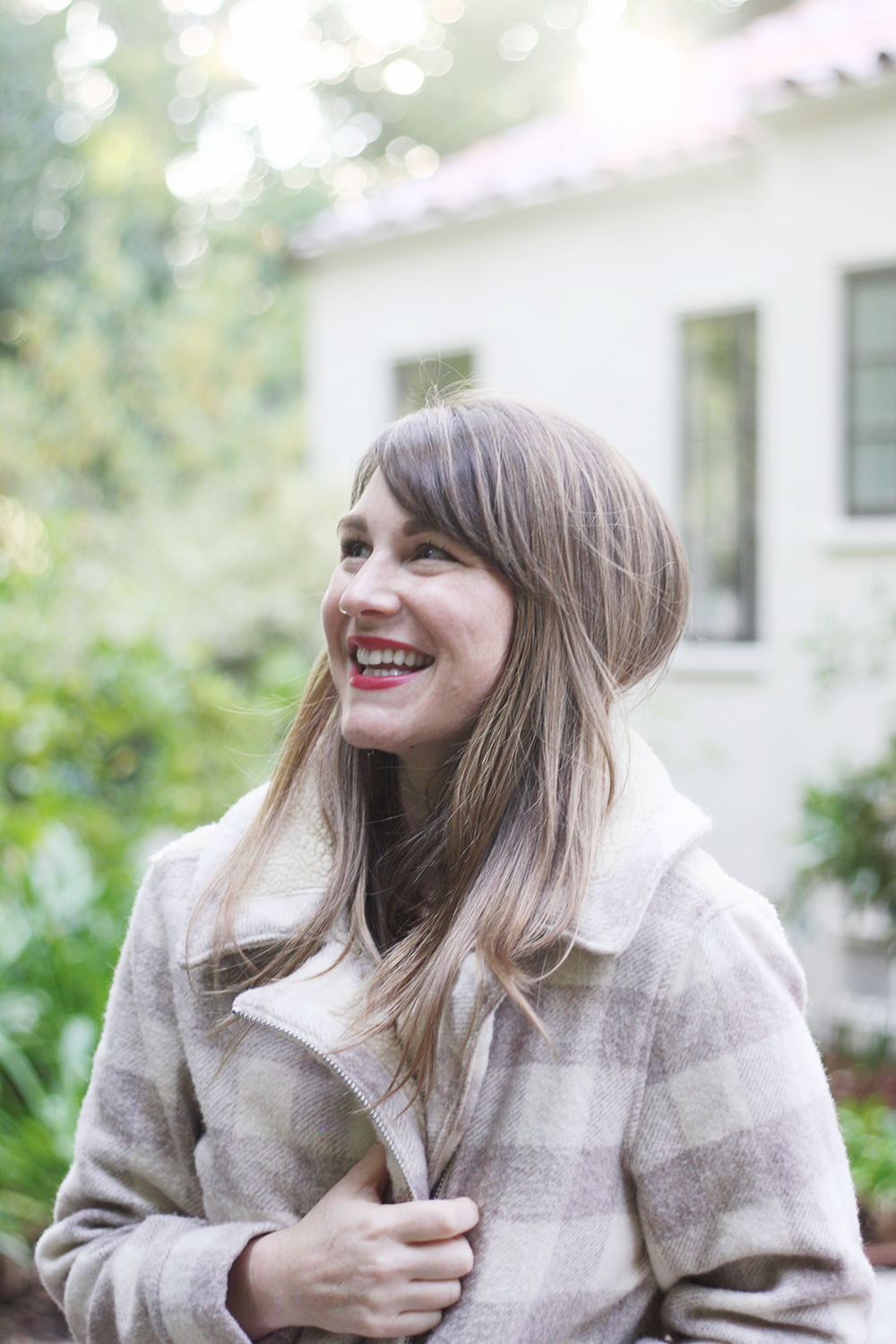
I like the idea of having evergreen pieces in my wardrobe, too. This Woolrich jacket is one of them: light enough for summer evenings but warm enough to provide a cozy top layer in fall and winter. Same with my Viktoria + Woods denim skirt, which can be winterized with boots and tights. All of the pieces pictured here have become wardrobe staples and, with the exception of the Amour Vert top, have been in my closet for over three years. It's all part of the clothing philosophy I'm trying to live by: investing in well-made, relatively timeless pieces that will stay with me for many seasons to come.


Outfit details: Woolrich jacket (fabric made in U.S.A., similar here) | Viktoria + Woods high-waisted denim skirt (similar here; made in Australia) | Corso Como boots (I've had these for over five years and love 'em; similar here) | Amour Vert ribbed tank top (made in U.S.A., similar here).


One Warm Coat

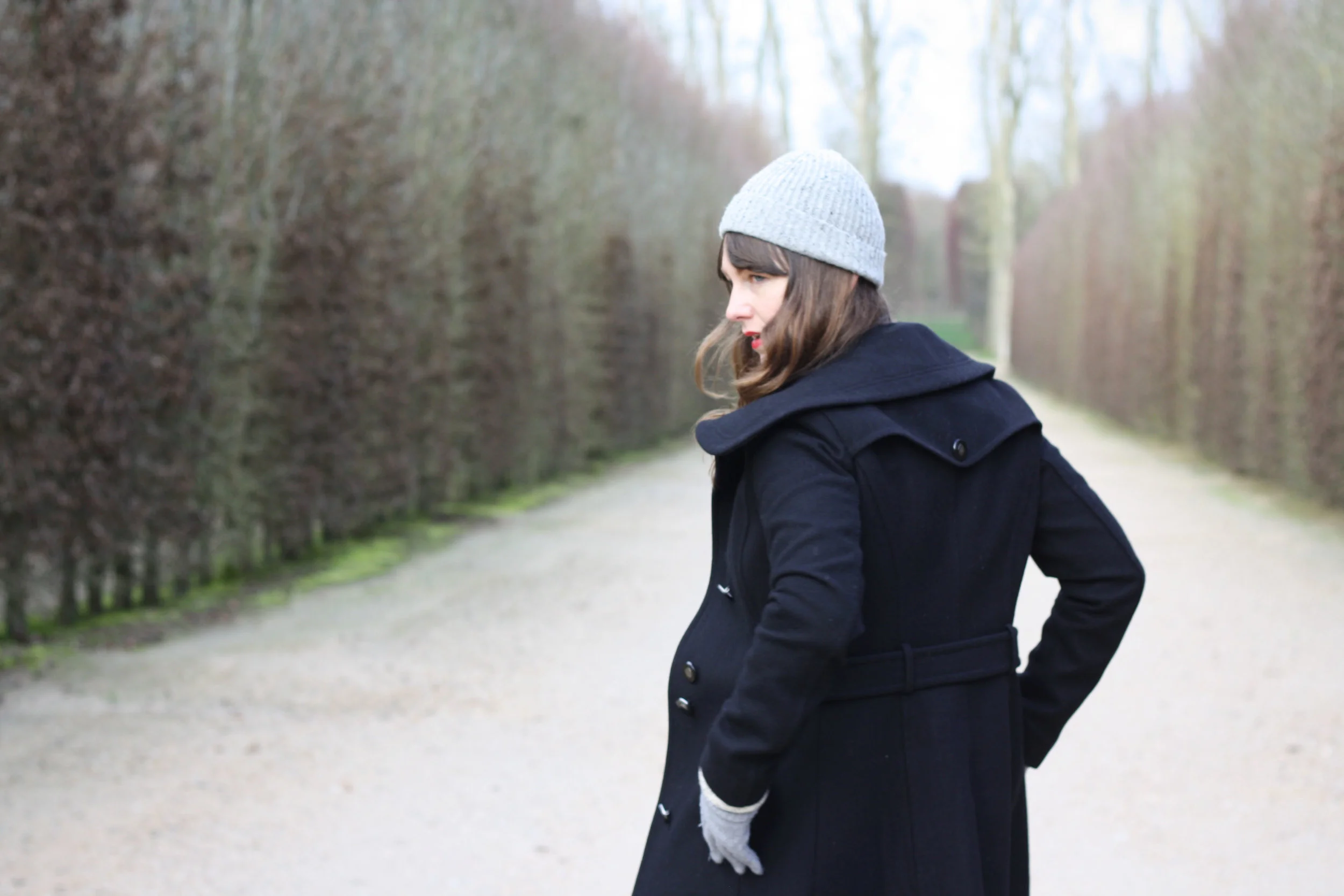
My winter coat has served me well, from east coast blizzards to the gardens of Versailles.
This post originally appeared back in 2013. With winter approaching, I thought it deserved a revivial, complete with updated suggestions on where to shop for an ethically-made coat.
On the coziness scale, wrapping yourself up in a nice wool coat ranks right up there with a hot toddy and a Golden Girls marathon. I bought my first good black pea coat before a trip to Philadelphia and New York, where my husband and I found ourselves caught in Snowmageddon 2010. Needless to say, I was extremely grateful for my coat's substantial lining and generous hood.
Experiences like an east coast blizzard also remind me of how difficult winter can be for those who don’t have a warm coat to shield them from the elements. Which is where organizations like One Warm Coat come in.
One Warm Coat is a volunteer organization that grew from a Thanksgiving weekend coat drive in San Francisco in 1992. Now a nationwide initiative, One Warm Coat provides tools, resources, and publicity support to volunteer groups across North America. Their goal is simple: collect coats to give to those in need, free of charge.
Providing a coat may seem like a small gesture when necessities like food, shelter, and vaccines are also sorely needed, but the facts that OWC provides on its website are compelling:
- 1 in 5 children live in households whose earnings fall below the poverty level in the U.S.
- 3.5 million people experience homelessness each year.
- Even a 2-degree drop in body temperature results in reduced heart rate, loss of coordination, and confusion. Adults cannot work effectively and children find it difficult to learn. For the nearly 15% of Americans living in poverty, a warm winter coat is a budget “extra.”
(U.S. Census data September 2016 and Hypothermia, University of Maryland Medical Center)
The bottom line is that a good, warm coat isn’t cheap. I’m a huge advocate of spending a little more on well-made clothing that will last for years, but for many people that simply isn’t an option.
How you can help
- Clean out your closet and donate a coat or two
- Organize a coat drive within your company, school, or home town
- Urge your company or organization to sponsor One Warm Coat
- Make a direct donation or send an eDonation card to someone you love
In the market for a new coat?
After donating your gently used coat, consider investing in one of these ethically sourced beauties:
- Women's Insulated Prairie Dawn Parka, Patagonia - Organic cotton, recycled polyester, and transparent supply chain.
- Los Ojos Trench Cloak, Linsday Thornburg and Pendleton - Made sustainably in the USA (see Pendleton’s stance on social responsibility).
- Slim Duffle Coat, Gloverall - Made in the UK
- ELDA Wool & Recycled Poly Coat, Komodo - Organic/ recycled,
- Winter Coat, Indigenous - Alpaca and wool, fair trade, low-impact dyes
My Favorite Ethical Baby Clothing Brands (So Far)
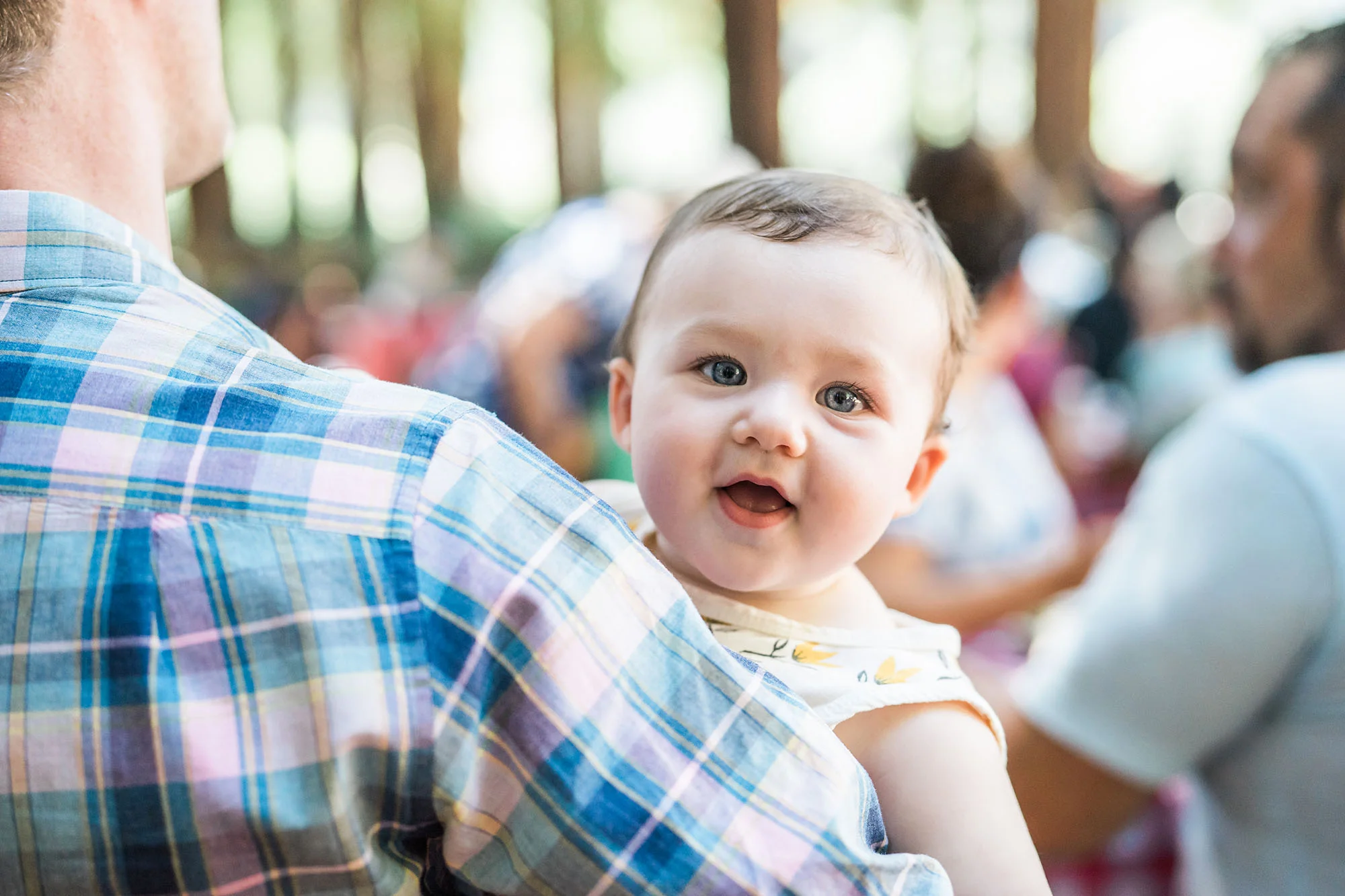
A few of my tried and trusted ethical baby clothing brands, including Made in USA, fair trade, organic, and non-toxic options.
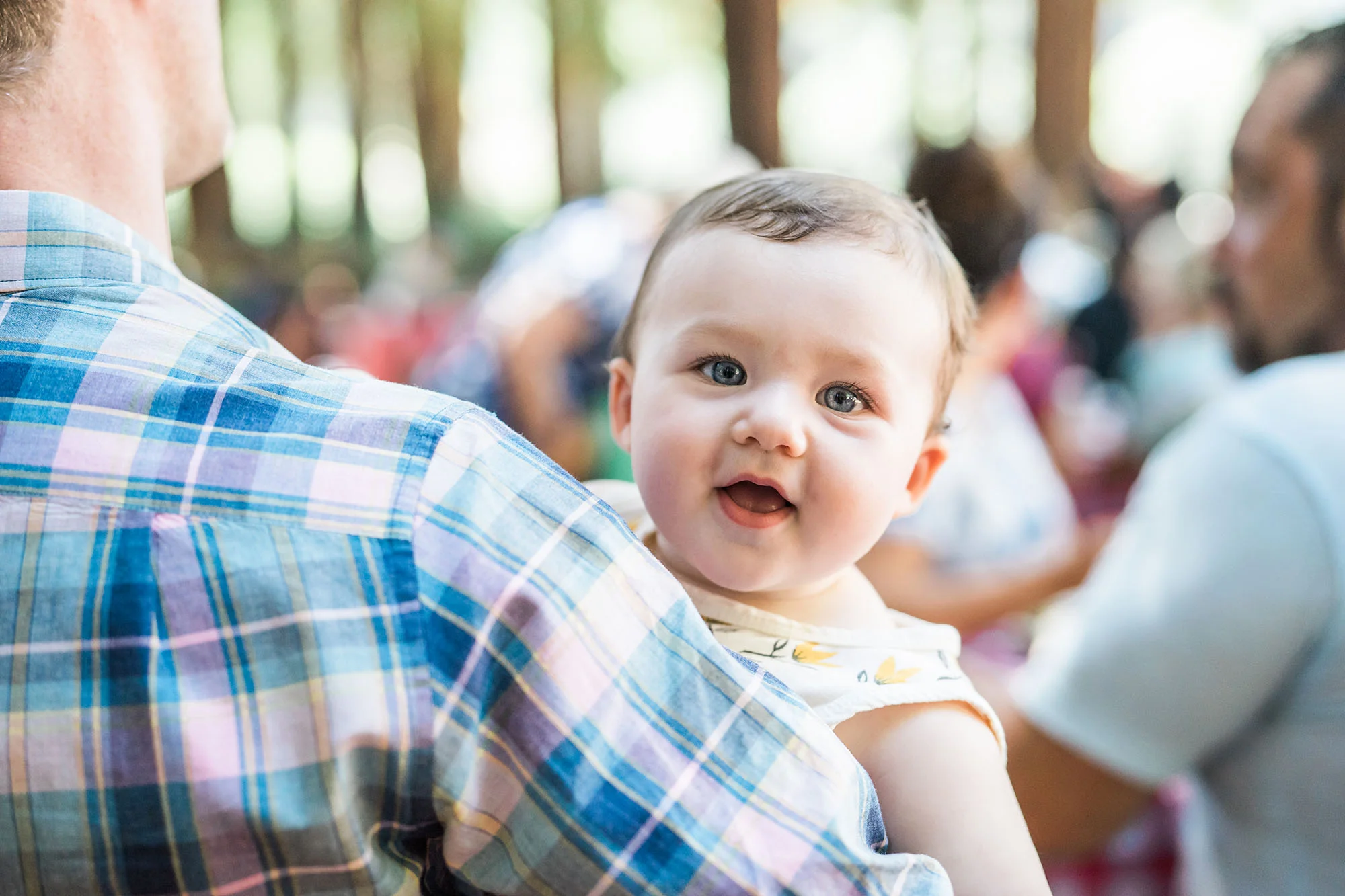
Avery is summering hard at Jon's company picnic, wearing a Rylee & Cru onesie (made in USA).
While incorporating Let's Be Fair's content into mine, I've been bookmarking all of the great ethical baby clothing brands that Dominique profiled over the years. Soon I'll be adding all of them to a new section of my ethical shopping guide, but in the meantime I thought I'd share a few I've grown to love. These are only brands that I've actually purchased from, so it's by no means an exhaustive list. But I can promise that I stand behind each and every one of them.
Under the Nile
We found Under the Nile while putting together our registry on Amazon, and received a sweet striped onesie that Avery wore as a newborn. Made from 100 percent organic Egyptian cotton, all of Under the Nile's baby clothing is insanely soft. Their cotton is grown on a biodynamic farm without the use of pesticides or insecticides, and their dyes are made with metal-free colors. To top it off, everything is made in Egypt at a certified fair trade facility.
Rylee & Cru
One of my dear friends gave Avery the floral onesie pictured above, introducing us to the wonderful brand that is Rylee & Cru. Their basics are all hand dyed, made in the USA, and of top-notch quality.
Go Gently BABY
Go Gently Nation makes clothing for women, men, kids, and babies using organic and sustainable fabrics, recycled tags, water-based inks, low impact dyes, and recycled fabric remnants – all manufactured in Los Angeles, Ca. We bought Avery a lightweight double gauze sundress that she lived in this summer. And even though she's outgrowing her clothes at a rapid pace (babies, who knew?), it's still billowy enough to be worn for many months.
Finn and Emma
Another Amazon find, Finn and Emma uses GOTS-certified organic cotton and eco-friendly dyes, and manufactures their products in fair trade settings. They also make adorable toys, including this play gym that Avery loved to bat at as a one-month old and now enjoys hurling across the room.
Colored Organics
At around six months Avery outgrew most of her gifted and handed-down clothing, and we had to restock. Fortunately Colored Organics offered organic and sweatshop-free basics at very reasonable prices. We snagged several onesies, leggings, and a stylin' ikat romper.
Loved Baby
L'oved Baby is another affordable baby brand that uses GOTS-certified organic cotton. That means that the people harvesting their cotton aren't exposed to harsh chemicals, are paid fair living wages, and enjoy freely chosen employment and a non-discriminatory workplace. Unfortunately I don't know if those principles extend to the sewing/ construction phase of L'oved Baby's production cycle, and it would be nice to see a little more transparency on their website. That said, I absolutely love their simple, soft, and colorful clothes.


Photo credit: Stephanie Pool Photography