

How I Made Avery's Yellow Fairy Costume


Ok, wrong season to be blogging about a Halloween costume. But we’ve been busy, winter flew by, and somehow it’s nearly spring. And what’s more springy than a butter-yellow, nature-inspired fairy costume? Bam! Off-season blog post justified.
Since she learned to talk, Avery made it clear that she was all about yellow, so it made sense that her third Halloween costume would be an variation on that theme. So I raided my stash for all of the yellow remnants I could find. Fortunately I bought a lot of yellow fabric back in my hoarding days, including a beautiful piece of marigold silk from The Fabric Store, some leftover cotton gauze from my Stevie blouse, and some scraps I had leftover from other projects. I only had to purchase some additional fabric for the wings, which required something stiff and gauzy. Here’s a recap of my process:
Inventory, plan, sketch
As I mentioned above, I took stock of the fabric I already had to avoid buying too much more. I then sketched out plans for the skirt (self-drafted and fairly simple) and determined that I would need to purchase a pattern for the top. I decided to attach the wings to the top/ vest so that I wouldn’t have to add additional straps (which I thought would disrupt the lines and look a little funky), so had to create a sturdy, heavier top to accommodate them.
I took a little trip to Joann’s and settled on Simplicity 1786 — a simple vest that I could easily alter to include Velcro closure. For the wings, I planned to use a technique I learned making costumes in high school theater: basically, a big wad of gauzy synthetic shaped into four wing-shaped bows and supported by light jewelry wire.

Prepare and Cut the Fabric
For the skirt, I used cardstock to create a simple template, and cut out about fifteen “petals,” alternating between leftover rayon and marigold silk that I found at The Fabric Store a few years back. I wanted the rayon to match the silk a bit more closely, so I used turmeric to dye both fabrics and get them a little closer in tone. I’m not a natural dye expert by any stretch, but I found that turmeric tea + extra powdered turmeric + hot water, soaked for about 15 minutes and rinsed, worked well. I used a serger to finish each petal before dying them, so the thread ended up matching, too.
I decided to line the vest instead of using bias tape. This of course made the process more complicated and required cutting double pieces (cotton gauze and rayon), but it made the final piece sturdy enough to balance the wings that would be attached later.


Sew and ASSEMBLE
The vest was fairly easy to assemble, but the skirt took a little more finessing. After attaching each petal to the waste band, I folded and inserted the elastic, but boy howdy that took about 45 minutes (I despise inserting elastic—I still haven’t figured out how to do it efficiently).
I’m not sure how to describe the wing-making process (I probably should have made a video), but basically for each wing I folded a large rectangle of fabric, inserted a string of medium-weight jewelry wire at the fold, then molded it into a leaf shape cinched at the base. Once all four were complete, I attached them at the back center of the vest, covered with a small circle of the cotton gauze, then finished with marigold embroidery thread (see pictures below).
I used fabric scraps, naturally molted feathers, and a single seashell to created the hairpiece, which I held together with embroidery thread and a hot glue gun.
All in all, it turned out pretty epic, and Avery was the happiest (and possibly only) little yellow fairy in town.


Sustainable Gifts for People Who Sew, Knit, and Craft
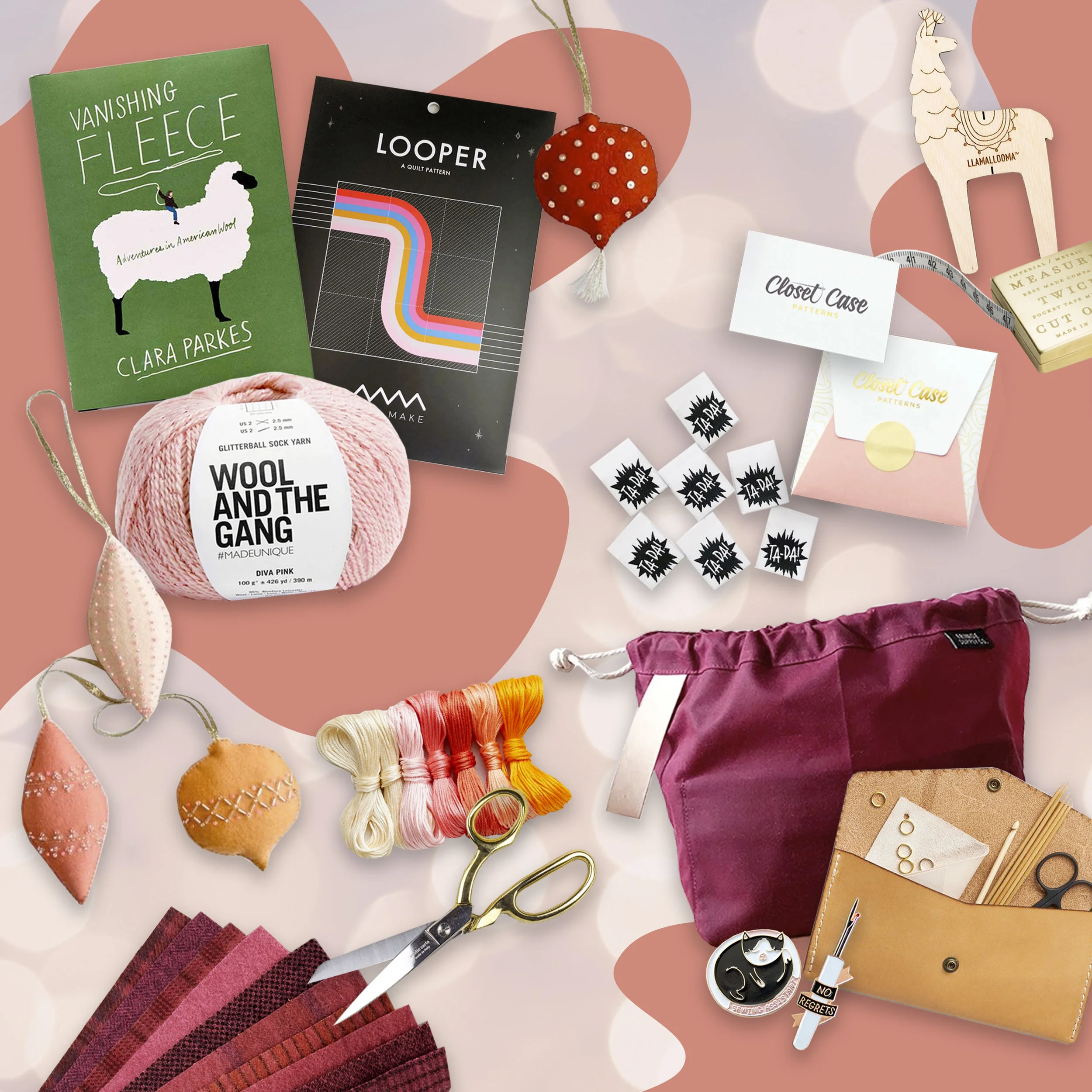
This list of list slow-made, sustainable, indie-focused holiday picks is sure to get your crafty friend or loved one thinking, organizing, and creating.

It’s no secret that I love to make stuff and that I’m a giant sentimental nerd when it comes to the holidays (having a kid has only exacerbated the problem). But I do try to be conscientious about the impact my crafting and holiday-ing has on people and the planet. As the sewing community becomes more and more focused on sustainability, it’s likely that the maker in your life has similar concerns. So I put this list slow-made, sustainable, indie-focused holiday picks that are sure to get your crafty friend or loved one thinking, organizing, and creating.

Waxed canvas Field Bag by Fringe Supply Co.
$77.90 at A Verb for Keeping Warm
This sturdy durable bag features lots of storage, a vegetable-tanned leather carry loop, and cotton drawstring. Made in the USA from sturdy waxed cotton canvas, it’s a great solution for knitters and other makers frequently on the go.

Vanishing Fleece: Adventures in American Wool
$17.99 at Amazon
In her latest book, knitter and writer Clara Parks details her adventures transforming a 676-pound bale of fleece into saleable yarn, and the people and vanishing industry she discovered along the way. Great for the knitter in your life — or anyone who loves a good nonfiction read.
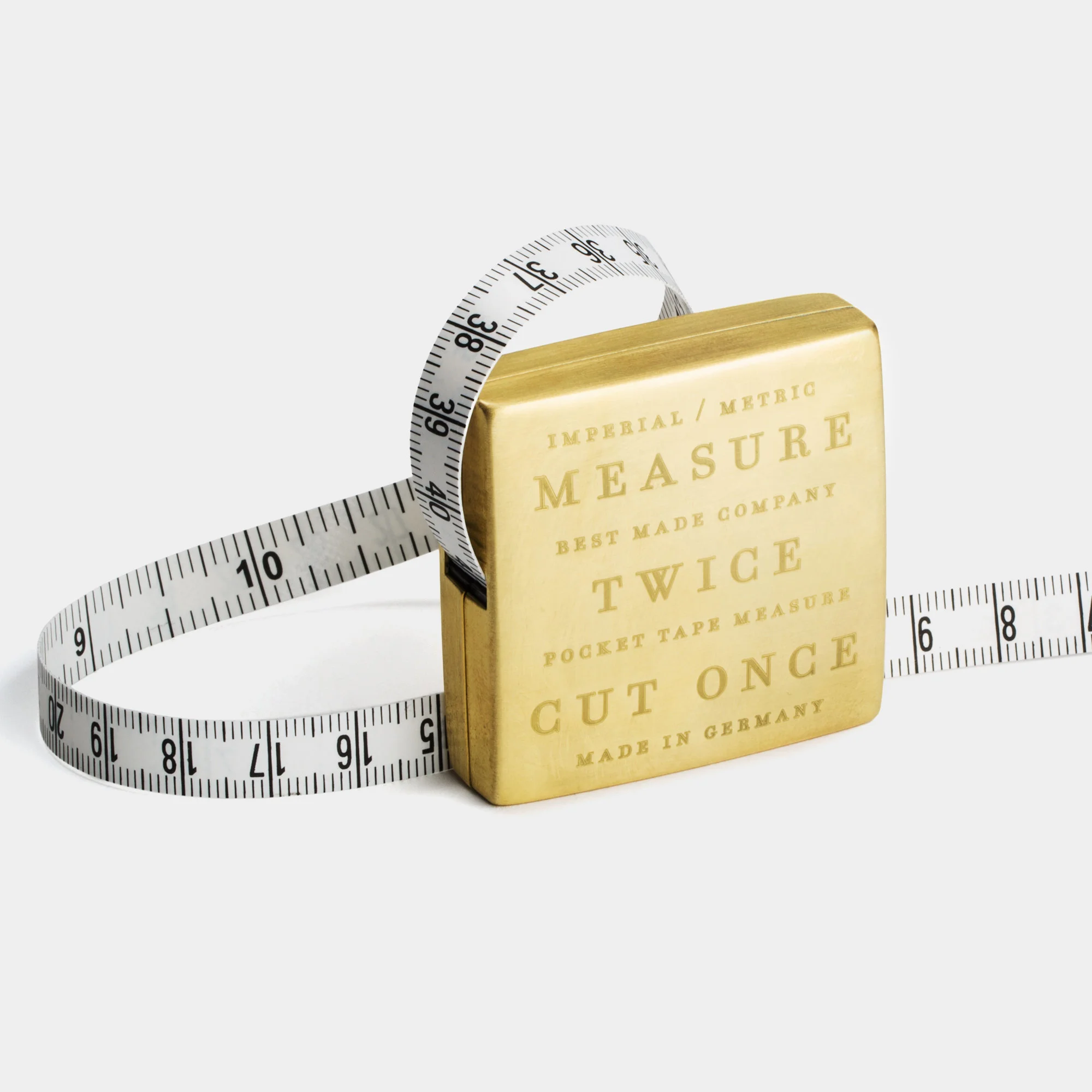
“Measure Twice, Cut Once” Solid Brass Measuring Tape
$58 from Best Made Co.
This is more of a “for the maker who has everything” gift because —let’s be honest— $58 is a lot to spend on a tape measure. But its durable, solid brass case (made in Germany) and timeless message is sure to make this one a hit.

studio carta Dressmaker Shears
$52 at Studio Carta
These dressmaker shears are functional and pretty as heck. Crafted in Italy with hard-tempered steel, sharp serrated blades and a 24-karat gold-plated handle, these shears are an heirloom in their own right.
Note: If you’re looking for a less expensive option, I always recommend the Japanese-made Kai shears. They really are the perfect scissors.

Wool and the Gang Glitterball Sock Yarn
$20 at Wool and the Gang
In general, sparkles aren’t super sustainable. But this British sourced and spun yarn is a mix of 100% naturally renewable wool and lurex offers a good compromise. Produced by eco-conscious suppliers, this extra soft wool has a subtle hint of holiday glitz.

Fringe leather tool pouch by Fringe Supply Co.
$64 at Fringe Supply Co.
Handmade in Denver, Colorado, this simple leather envelope pouch holds tools, spare needles, and all other wayward supplies. The pouch features undyed, waxed cotton stitching, an antiqued-brass snap, and natural vegetable-tanned leather.
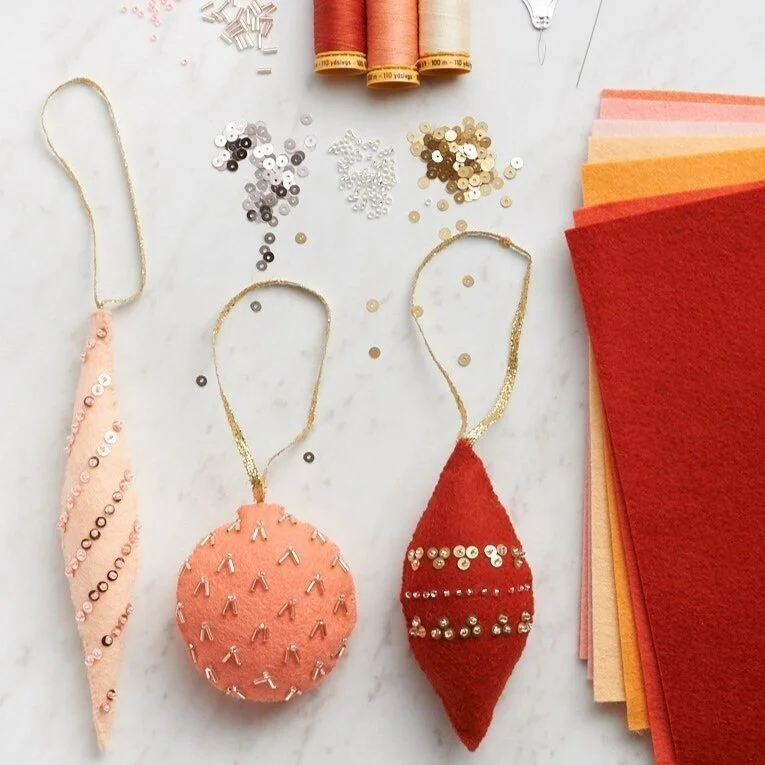
Purl Soho Heirloom Wool Ornament Kit
$98 at Purl Soho
My grandmother made several sets of felt Christmas ornaments that have been distributed among her twelve (!) children—and children’s children—for years. I managed to acquire a couple of them and they’re one of the best parts of trimming the tree. Use this kit to make ornaments for your loved ones, or give the whole kit to a crafty someone in your life! The kit includes 100% wool felt pieces, cotton thread, needles, beads, sequins, and everything else you need to complete the project.
Purl Soho also sells beautiful felted wool bundles — great for stuffing those stockings!

Miss Make Looper Quilt Pattern
$16 at Miss Make
I am in love/ awe of this recent quilt pattern release by Devon Iott of Miss Make. I’m not a super skilled quilter, but if I was I would absolutely put this pattern on my list. The Looper includes modular blocks that can be rearranged in any direction to create a continuous design. A perfectly modern, perfectly accessibly, perfectly perfect pattern.

Llamallooma Pom-Pom Maker
$15 at Fancy Tiger Crafts
Know anyone obsessed with pom poms? Empower them to make their own with the the Llamallooma from Betz White. Made from baltic birch, the loom is easy to use and cute as all get out. Pair it with some US-grown yarn for the perfect stocking stuffer.

“Ta Da” Woven Labels by Kylie and the Machine
$8.50 at Fancy Tiger Crafts
Oeko-Tex certified in plastic-free recycled packaging, these labels let the sewist in your life do a little humble-bragging.
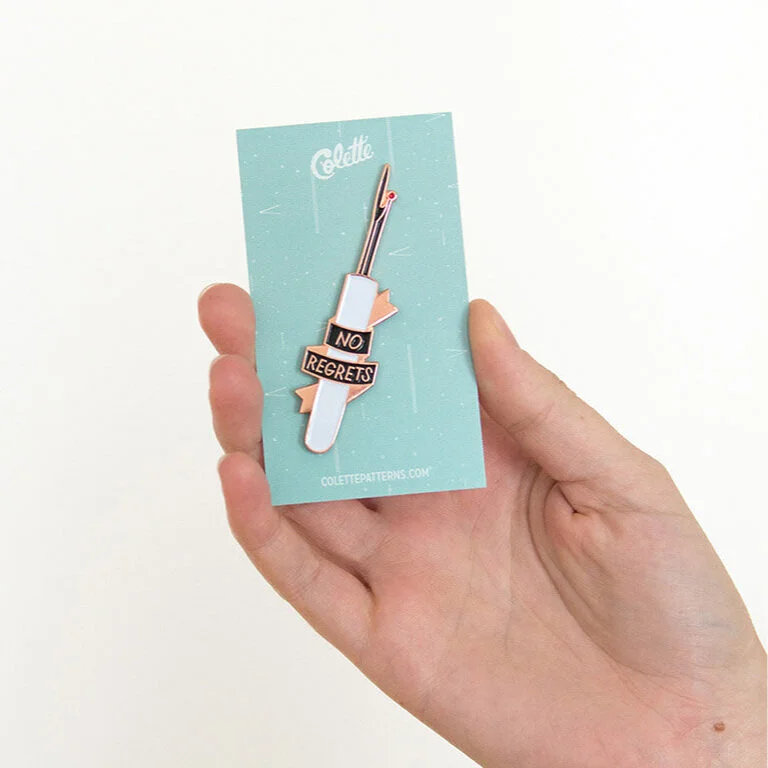
Colette Patterns Enamel Pins
$8 at Colette Patterns
These cute little sewing-themed pins make great stocking stuffers. Each pin features a beautiful rose gold finish.

Closet Case Patterns Gift Card
$25 increments at Close Case Patterns
You can never go wrong with a gift card, especially to one of the best indie pattern makers out there! This Closet Case Patterns gift cards are printed on beautiful rose and gold cardstock. Or purchase a digital version to curtail that carbon footprint.
Disclosure: This post is not sponsored, but I do make commission via Skimlinks. Thanks for supporting Birds of a Thread!
Like what you read? Give it a share!

Awkward Skirt to Fitted Top: A Fall Refashion


Holy moly, it’s been a while! During which time I’ve:
Moved to San Diego with Jon and the kiddo
Started a new role as a Communications Manager at a tech company
Contemplated whether or not to keep blogging at all (see: aforementioned cross-state move and new, demanding role)
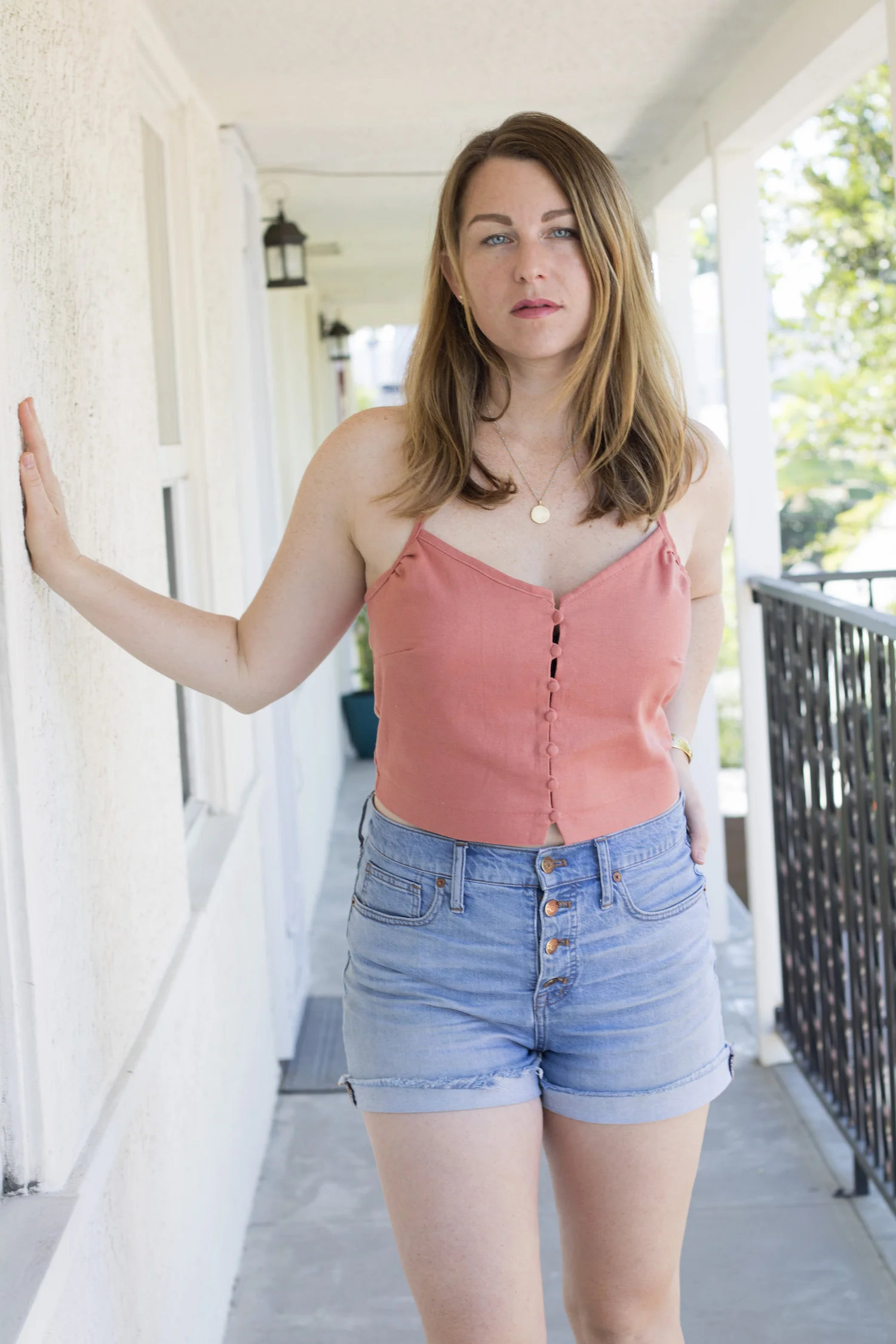
If you follow on Instagram, though, you’ll know that I’ve squeezed in a few sewing projects, including a recent refashion of a piece I’ve had sitting in my “don’t-get-rid-of-just-yet” pile. I bought this linen midi-length skirt at Madewell on impulse — I’d gained a few pounds, couldn’t fit into any of my work clothes, and was in a bit of a panic before starting my new job. Unfortunately I sized up a little too far, and the skirt was always too big and an awkward length (mid-calf, but not in a cute way).

I loved the texture, button loop closure, and color, so I finally decided to turn it into something wearable. Here’s a look into my process:
First, I unbuttoned the button closure, cut the skirt in half horizontally, and opened the whole thing up so I had a nice hunk of fabric to work with.
Then, I laid out the pattern pieces for a Mimi G Style pattern (Simplicity 8927), aligning the front closure with the skirt’s existing button closure. This took a bit of finessing, since the pattern was designed to self-line and included seam allowances and a tie-front feature.
Once I cut and assembled the bodice, it was about an inch too wide (partly because of the seam allowances and partly because patterns are almost always bigger than their sizing guide suggests). So I pinned it to fit and redid the side seams.


4. Even then, the bust was too big and billowed out at the armpits (not totally sure what happened here, but I suspect the linen stretched a bit). So I added in some pleats along the top of the bust line before finishing with bias tape that I made from leftover pieces of the fabric. I was running low on scraps at that point, so I made it a halter instead of attaching the straps to the back as the pattern was originally designed.

5. Because I used the existing skirt hem, there was no way to properly finish the side seams. So I added tiny patches to both sides, which I actually think adds charm and gives the top a well-loved feel.
This is probably my favorite refashion to date, and one that I’ve already worn out in the real world a few times (the true test!).

Fair Trade Tea Party

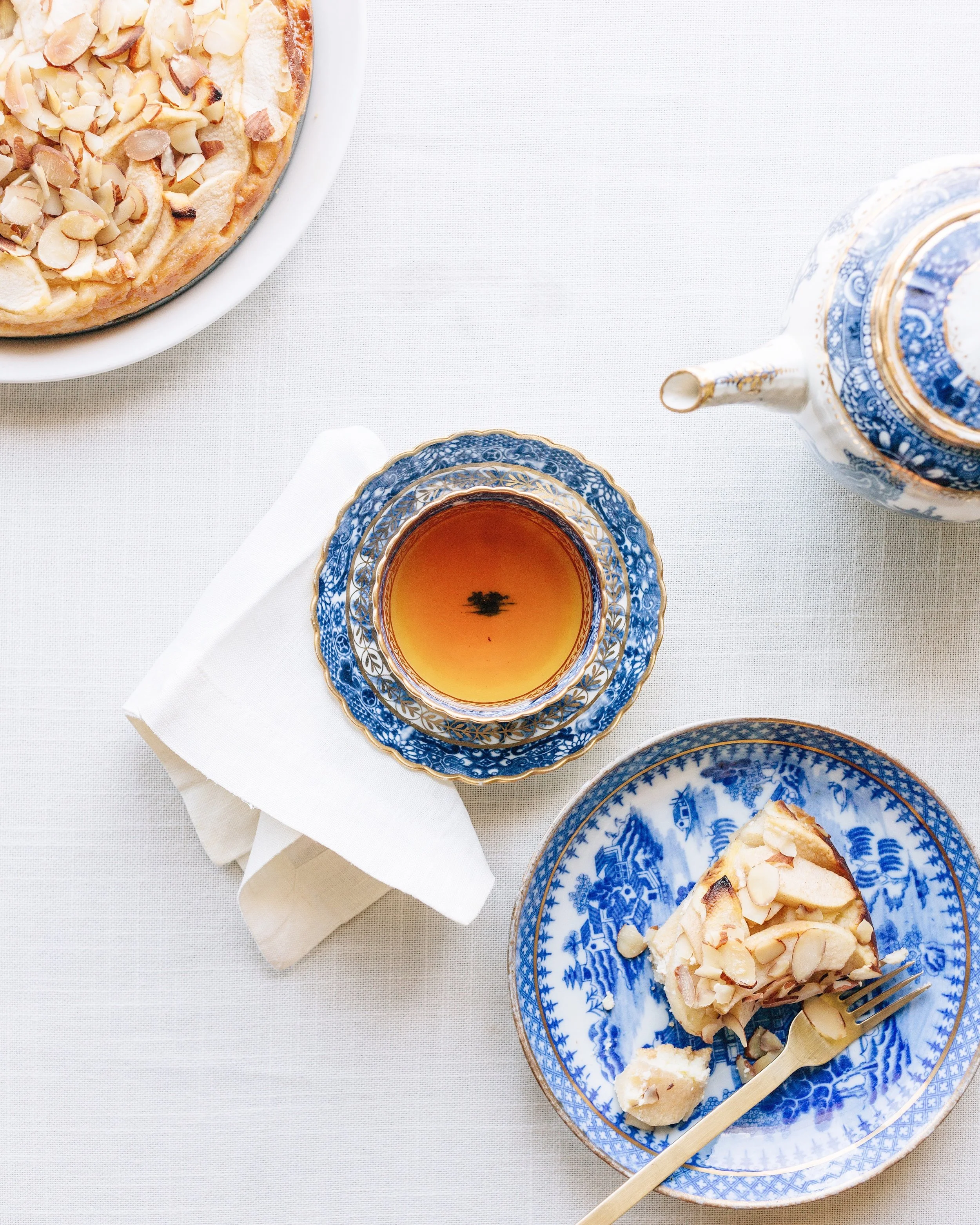
Image by Erol Ahmed
I've been on a major tea kick lately, sipping the herbal variety all day at work to keep myself warm and hydrated. One of my students took note of my habit, and now asks me every day in his best British accent, "will there be any tea today, Ms. Palhegyi?"
My current favorite is Numi Tea's Rooibos Chai, which is the best non-caffeinated Chai I've come across aside from Samovar's more expensive version (price aside, if you're ever in San Francisco and have a chance to visit Samovar Tea Lounge, DO IT). I brew loose leaf to cut down on waste, using a metal infuser and an electric kettle, and drink it straight to fully savor the delicate combination of cinnamon, ginger, cloves, nutmeg, and cardamom. I love including this ritual in my otherwise hectic day — although my classroom version isn't nearly as pretty as the layout above, shot by friend and talented photographer Erol Ahmed.
To recreate this tea service yourself, try some of these fair trade teas and accessories, all from companies that are fair trade certified, made in the USA, or otherwise committed to sustainability:


This post contains affiliate links. Please see my sponsored post policy for details!
My One New Year’s Intention: Six Months, No Shopping

I don’t like the way I left 2017.
I fell asleep at 9:30, wracked with feelings of guilt over all the things I didn’t do, all the promises I didn’t deliver on, all the opportunities I missed. It was a champagne-induced guilt, the kind that’s hard to crawl out of because you’re half-dreaming and your brain is already impaired, and you’re already hating yourself for the hangover you know you’re in for in about six hours.
So I felt guilty that I drank too much. I felt guilty about my haphazard career path – that I left my job of four years, practically on a whim, to return to teaching. I felt guilty that I wasn’t able to immediately provide my students with an inclusive, inspiring learning environment. I felt guilty that I didn’t devote more time to this blog after merging with Let’s Be Fair, or deliver on the promise of more frequent, useful content. I felt guilty that I never sent thank you cards for all of Avery’s presents.
I felt guilty about feeling guilty.
And I woke up New Year's morning so angry at all of that guilt. At all of the unreasonable expectations I put on myself, and all of the (mostly perceived) expectations of others. And while I could resolve to be kinder to myself, to make more time for self-care, to say “no” more... the last thing I want to do is set more expectations that I’ll eventually feel guilty about not living up to (I mean, who wants to fail at self-care?).
So screw a list of resolutions this year.
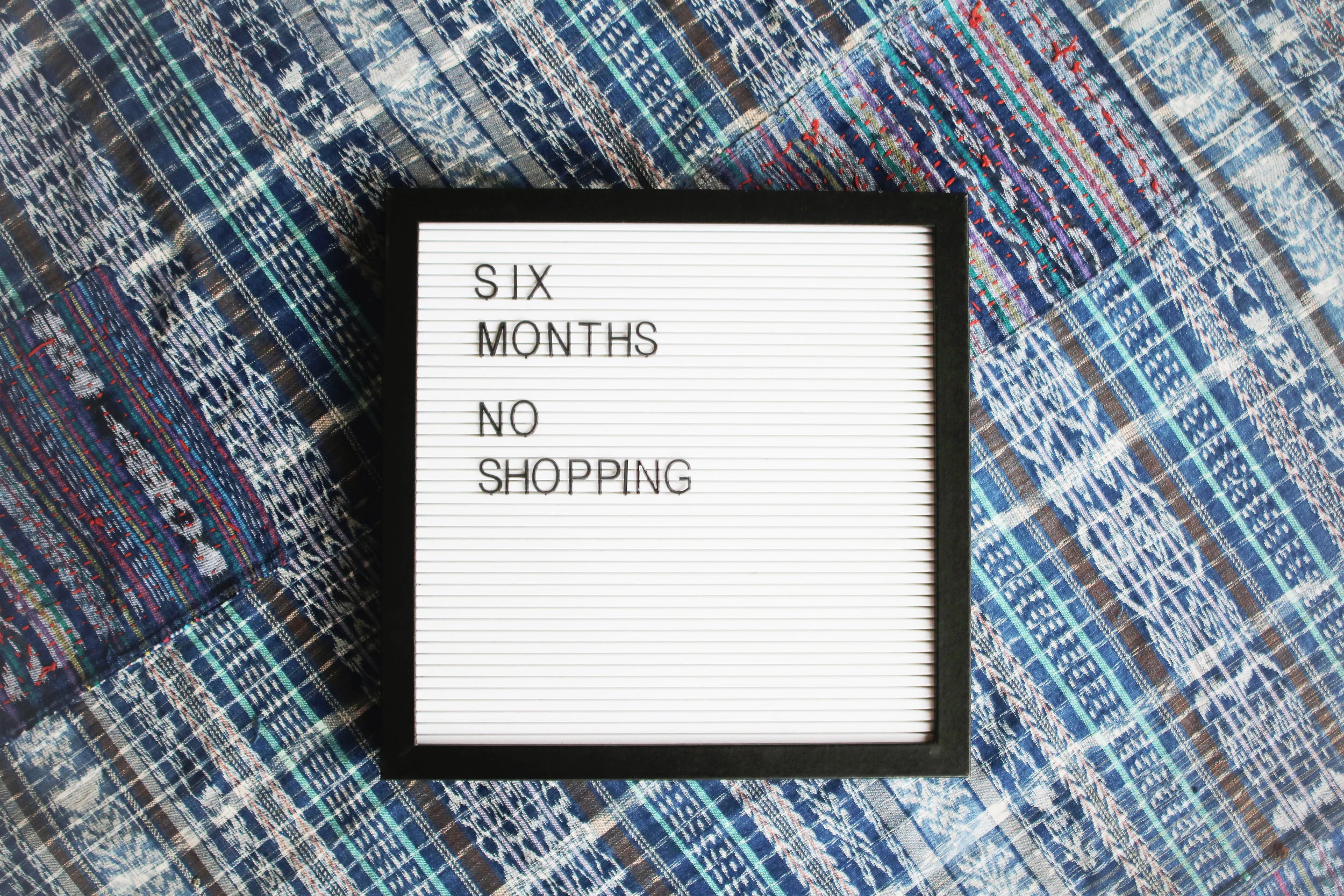
Rather, I’m setting one simple, achievable intention – one that requires doing less, not more. I simply won't shop for six months.
The timing is right, so why not?
I’ve been wanting to try a shopping “fast” for a long time, but have always found excuses not to. Some of them were legit (like being pregnant), and some were superfluous (a trip that required a new pair of sandals, or a wedding that simply necessitated a breezy wrap dress).
But at a year postpartum, I finally fit into my "normal" size again, and have full access to my prior wardrobe. Note: I'm air-quoting here because everyone's "normal" is different and subject to change. I wasn't sure I would ever return to my pre-pregnancy weight, and I was okay with that. Some women don't, and it's not because they didn't exercise enough or eat right or practice enough mindfulness. I didn't do any of those things, to be honest. That's just the way my body responded.
Anyway, taking a break from my closet gave me some much-needed perspective, and has filled me with a new appreciation for the things I already have. Thanks to some coaching from Anuschka Rees and Colette Patterns' Wardrobe Architect project, I put some major thought into my wardrobe over the past few years. I invested in several staple pieces, and honed my personal style (you can see some of that work here, here, and here). Getting dressed in the morning is so much easier these days, and I feel confident and comfortable in the clothes I have.
That said, I still do have a tendency to shop my feelings. After a hard day at work or a long night caring for a sick baby, all I want to do is something mindless – and browsing pretty things online, at the mall, or even my local Salvation Army fits that bill. In a way it does feel like a form of self-care, but not the kind that I want to cultivate. So for this and a few other reasons, I’m cutting myself off. Here’s the deal:
Parameters
- No new clothing or accessories for six months
- Repair, borrow, or trade for anything new
- Exceptions: bras/ underwear if needed or the replacement of any essential items that may get irreparably damaged (shoes, etc.)
Intended outcomes
- Save some $$$
- Learn how to better care for and repair my clothes
- Find new creative ways to style the clothes I have
- Find better ways to deal with stress/ boredom
I’m hoping to include lots of outfit posts and clothing maintenance tips along the way, so stay tuned. And if you’re on a similar journey, let me know! I’d love to hear about your experiences.
Happy new year, friends, and here’s to a more mindful and creative 2018!

One Warm Coat

My winter coat has served me well, from east coast blizzards to the gardens of Versailles.
This post originally appeared back in 2013. With winter approaching, I thought it deserved a revivial, complete with updated suggestions on where to shop for an ethically-made coat.
On the coziness scale, wrapping yourself up in a nice wool coat ranks right up there with a hot toddy and a Golden Girls marathon. I bought my first good black pea coat before a trip to Philadelphia and New York, where my husband and I found ourselves caught in Snowmageddon 2010. Needless to say, I was extremely grateful for my coat's substantial lining and generous hood.
Experiences like an east coast blizzard also remind me of how difficult winter can be for those who don’t have a warm coat to shield them from the elements. Which is where organizations like One Warm Coat come in.
One Warm Coat is a volunteer organization that grew from a Thanksgiving weekend coat drive in San Francisco in 1992. Now a nationwide initiative, One Warm Coat provides tools, resources, and publicity support to volunteer groups across North America. Their goal is simple: collect coats to give to those in need, free of charge.
Providing a coat may seem like a small gesture when necessities like food, shelter, and vaccines are also sorely needed, but the facts that OWC provides on its website are compelling:
- 1 in 5 children live in households whose earnings fall below the poverty level in the U.S.
- 3.5 million people experience homelessness each year.
- Even a 2-degree drop in body temperature results in reduced heart rate, loss of coordination, and confusion. Adults cannot work effectively and children find it difficult to learn. For the nearly 15% of Americans living in poverty, a warm winter coat is a budget “extra.”
(U.S. Census data September 2016 and Hypothermia, University of Maryland Medical Center)
The bottom line is that a good, warm coat isn’t cheap. I’m a huge advocate of spending a little more on well-made clothing that will last for years, but for many people that simply isn’t an option.
How you can help
- Clean out your closet and donate a coat or two
- Organize a coat drive within your company, school, or home town
- Urge your company or organization to sponsor One Warm Coat
- Make a direct donation or send an eDonation card to someone you love
In the market for a new coat?
After donating your gently used coat, consider investing in one of these ethically sourced beauties:
- Women's Insulated Prairie Dawn Parka, Patagonia - Organic cotton, recycled polyester, and transparent supply chain.
- Los Ojos Trench Cloak, Linsday Thornburg and Pendleton - Made sustainably in the USA (see Pendleton’s stance on social responsibility).
- Slim Duffle Coat, Gloverall - Made in the UK
- ELDA Wool & Recycled Poly Coat, Komodo - Organic/ recycled,
- Winter Coat, Indigenous - Alpaca and wool, fair trade, low-impact dyes
My Favorite Ethical Baby Clothing Brands (So Far)
A few of my tried and trusted ethical baby clothing brands, including Made in USA, fair trade, organic, and non-toxic options.
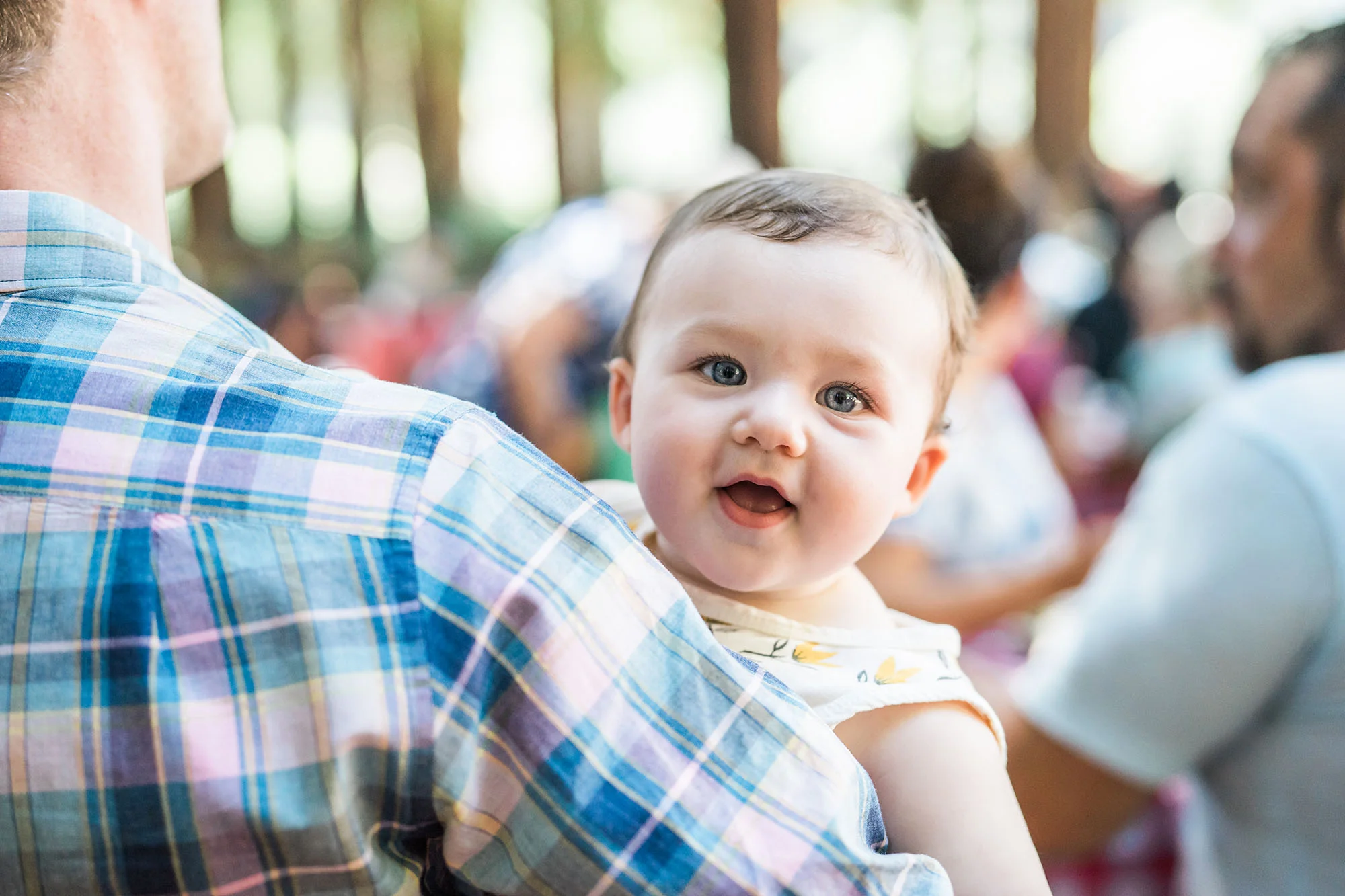
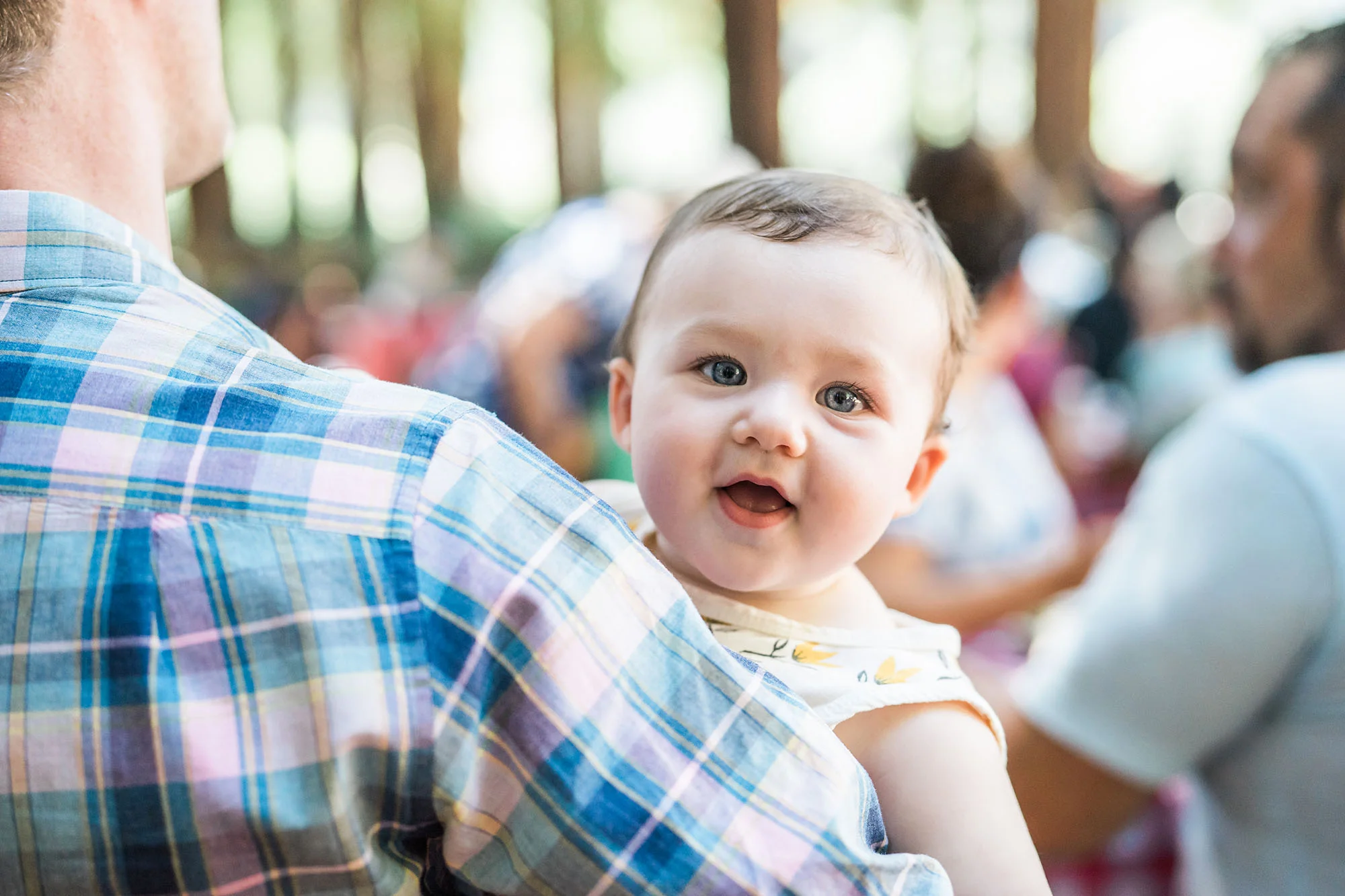
Avery is summering hard at Jon's company picnic, wearing a Rylee & Cru onesie (made in USA).
While incorporating Let's Be Fair's content into mine, I've been bookmarking all of the great ethical baby clothing brands that Dominique profiled over the years. Soon I'll be adding all of them to a new section of my ethical shopping guide, but in the meantime I thought I'd share a few I've grown to love. These are only brands that I've actually purchased from, so it's by no means an exhaustive list. But I can promise that I stand behind each and every one of them.
Under the Nile
We found Under the Nile while putting together our registry on Amazon, and received a sweet striped onesie that Avery wore as a newborn. Made from 100 percent organic Egyptian cotton, all of Under the Nile's baby clothing is insanely soft. Their cotton is grown on a biodynamic farm without the use of pesticides or insecticides, and their dyes are made with metal-free colors. To top it off, everything is made in Egypt at a certified fair trade facility.
Rylee & Cru
One of my dear friends gave Avery the floral onesie pictured above, introducing us to the wonderful brand that is Rylee & Cru. Their basics are all hand dyed, made in the USA, and of top-notch quality.
Go Gently BABY
Go Gently Nation makes clothing for women, men, kids, and babies using organic and sustainable fabrics, recycled tags, water-based inks, low impact dyes, and recycled fabric remnants – all manufactured in Los Angeles, Ca. We bought Avery a lightweight double gauze sundress that she lived in this summer. And even though she's outgrowing her clothes at a rapid pace (babies, who knew?), it's still billowy enough to be worn for many months.
Finn and Emma
Another Amazon find, Finn and Emma uses GOTS-certified organic cotton and eco-friendly dyes, and manufactures their products in fair trade settings. They also make adorable toys, including this play gym that Avery loved to bat at as a one-month old and now enjoys hurling across the room.
Colored Organics
At around six months Avery outgrew most of her gifted and handed-down clothing, and we had to restock. Fortunately Colored Organics offered organic and sweatshop-free basics at very reasonable prices. We snagged several onesies, leggings, and a stylin' ikat romper.
Loved Baby
L'oved Baby is another affordable baby brand that uses GOTS-certified organic cotton. That means that the people harvesting their cotton aren't exposed to harsh chemicals, are paid fair living wages, and enjoy freely chosen employment and a non-discriminatory workplace. Unfortunately I don't know if those principles extend to the sewing/ construction phase of L'oved Baby's production cycle, and it would be nice to see a little more transparency on their website. That said, I absolutely love their simple, soft, and colorful clothes.


Photo credit: Stephanie Pool Photography
Ethical, Sustainable Maternity Clothing

From top left: Isabella Oliver / Hatch / Boob Maternity / Storq
I never quite succeeded in creating a my dream capsule wardrobe, but before I got pregnant I was in a pretty good place clothing-wise. I'd found ethical versions of most of my wardrobe staples, sewn a few things, and curbed my purchasing habits quite a bit. I was hoping I could somehow adapt my wardrobe for pregnancy without having to spend too much.
After all, it seemed really lame to go out and buy a bunch of new clothes that I could only wear for > nine months. Talk about waste! Talk about being a target demographic! I could work around the bump, right? Defy the expectations of society and Google Ads alike?
Oh, how naive I was. I'm only four months in and not really that big yet, but I've already had to put much of my "normal" wardrobe away.
One of the problems is that I didn't wear much loose, flowing clothing to begin with. Most of my dresses are fitted at the waist, and I tend to forgo knit blouses in favor of cotton or silk blends that don't leave much wiggle room. Even my looser shift dresses now make me look like a tent, and the hems of my blouses are rising to scandalous heights. I'm at a point that I need to find some ethically-made staple pieces, and fast.
I spent some time last weekend scouring the internet and other ethical fashion blogs to find the cutest sustainable maternity and maternity-friendly brands out there. Did I miss anything? Pregnant or formerly-pregnant ladies speak up!
Strictly Maternity
- Boob Design | Made sustainably in Turkey and Portugal
- Storq | Made in USA
- Hatch | Several made in the USA options
- Leota | Made in USA
- Mitera | Made in USA
- Tiffany Rose Maternity | Designed and made in Britain
- Envie de Fraise | Made in France | Adorable maternity swimwear
- Isabella Oliver | Made in Portugal | Note: While I wasn't able to find much information on Isabella Oliver's website in terms of sustainable practices, they do have a stated commitment to timeless design an high-quality fabric. Their clothes are worth checking out if you think you can wear them post-pregnancy.
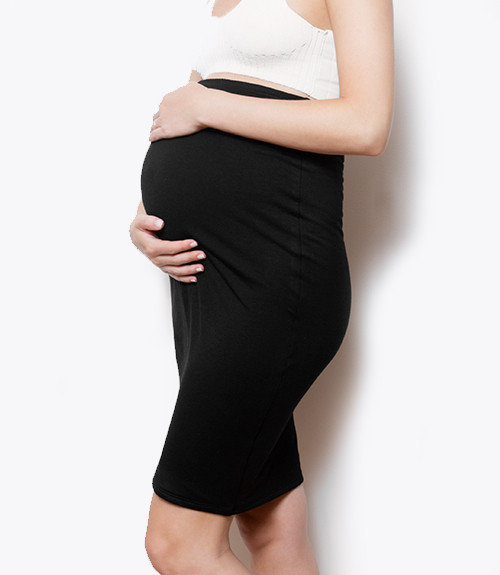
Skirt by Storq
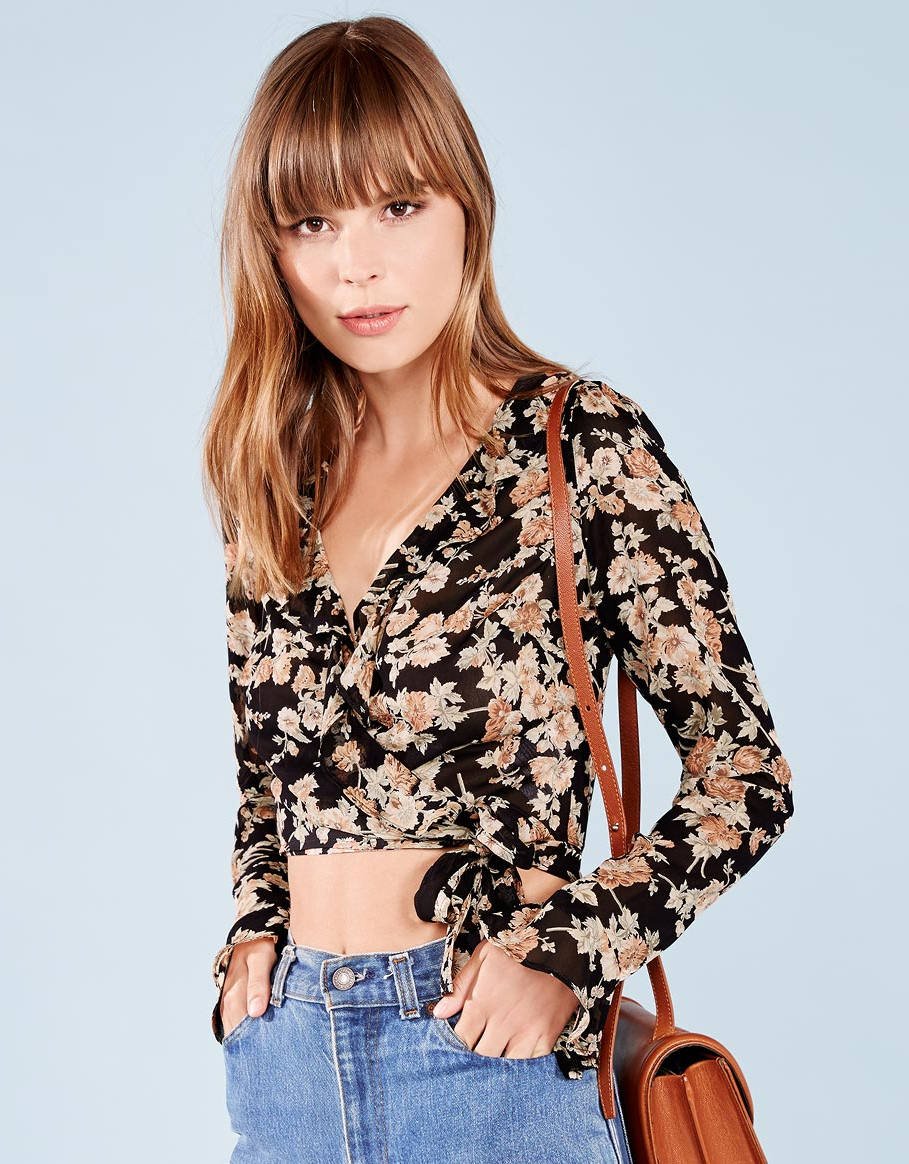
Monika Top by Reformation
Maternity-Friendly
- Ace and Jig | Lots of loose, flowy stuff, if that's your thing.
- M.M. Lafleur | Made in USA | Check out their blog post detailing how Maura Kutner Walters, the Digital Executive Editor of Condé Nast Traveler, adapted M.M. Lafleur dresses during her pregnancy.
- Synergy | Made with certified organic materials using fair labor practices | Lots of jersey, lots of stretch!
- Reformation | Sustainable and made in USA | Ok, so while 99.9% of Reformation's clothing is not maternity-friendly, they do carry some gorgeous wrap tops, like the one pictured to the left, that could be layered over a maternity dress and tied above the bump. I'm going to try this one out, and hopefully have a cute wrap top I can wear post-baby :)